ASP projects

Students participate to multidisciplinary projects, focusing on real and relevant problems, proposed as a collaboration between universities and external institutions (i.e., firms, governmental or research institutions).

Project teams consist of 7/8 students from different schools and are therefore intrinsically multidisciplinary. Each project team is assisted by tutors with a multifaceted background, selected among the Faculty of Politecnico di Milano and Politecnico di Torino as well as among experts of the proposing external institutions. Tutors advice students and periodically review their intermediate results.

Teams are provided with funds that allow them to make study trips, attend conferences, buy books and materials to help develop the project. The project plan and budget is defined by the team and agreed with the tutors.

Projects are focused on four “problem-based learning” tracks:

Industry & Innovation

These projects are based on investigating innovation opportunities in a variety of industries. As an example, they can try to identify the benefits at company level of the new technologies available in the market.

Academic research

These projects are based on creating and furthering knowledge for companies, public and private institutions for structuring and solving complex problems.

Entrepreneurship
& Hi-tech start-ups

These projects are based on investigating entrepreneurial opportunities with a particular focus on hi-tech start-ups. These projects try to analyse the scenario of high-tech start-ups and evaluate their impacts at different levels.

Social impact & Engagement

These projects have the aim of understanding potential positive changes that an organization can implement to address a pressing social issue and favouring people engagement for social and community development.

For more information, please write an email to projects@asp-poli.it.

The results of the projects from the 1st to the 15th ASP cycle are reunited and published in books that can be downloaded here.

Last ASP projects

Industry & Innovation

19th Cycle

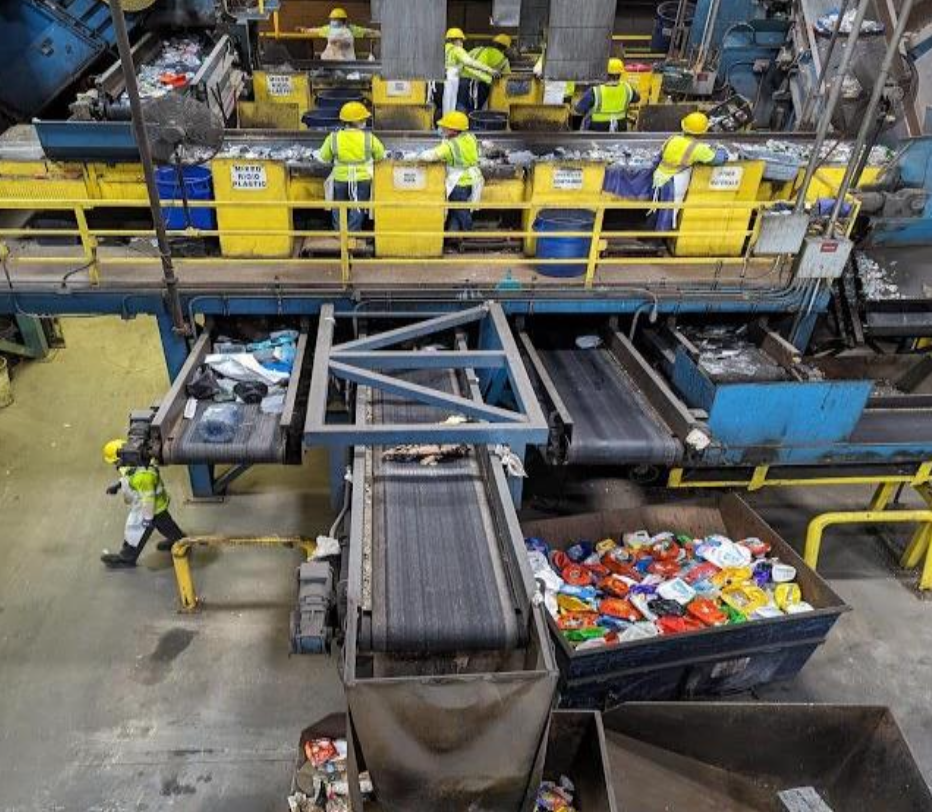
IPSE

Aim of the project is to carry out a comprehensive and multidisciplinary evaluation of the potential to upgrade the plastic sorting plants with such technologies; this will include some preliminary theoretical evaluations, some practical testing on both an experimental facility owned by Corepla and a full-scale sorting plant, an environmental, economic and social assessment, the latter related to the potential loss of work. Finally, the outcome of the work will become inputs for the eco-design of the plastic products that will allow a better sorting and handling at the plants.
19th Cycle

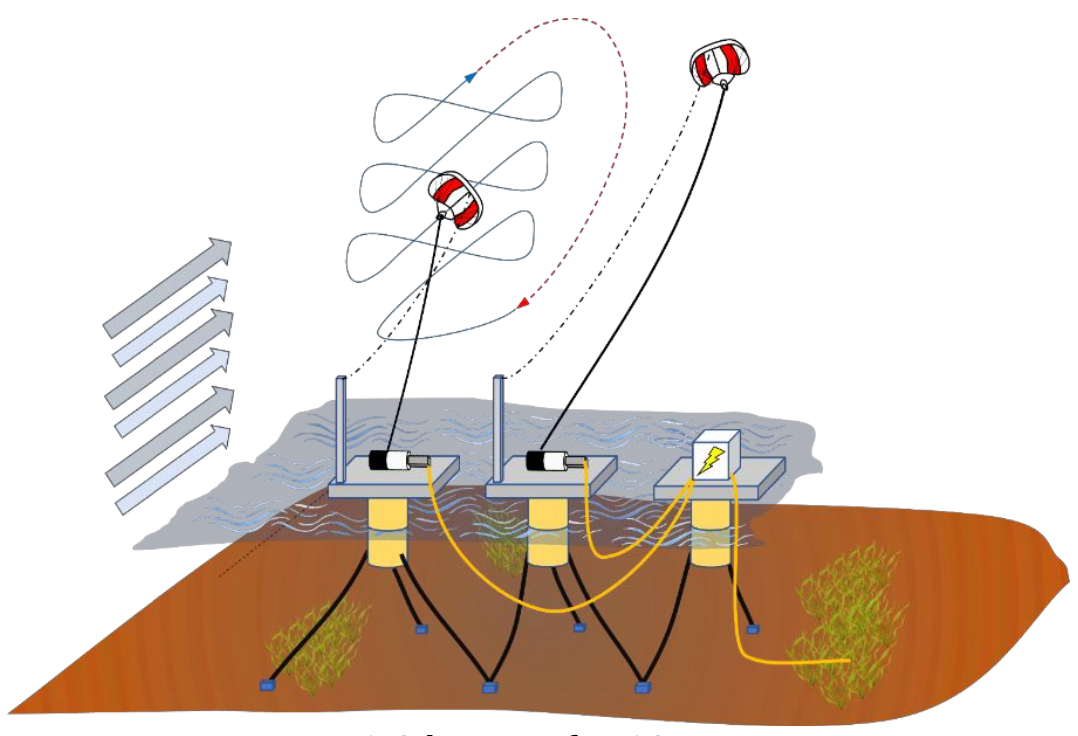
LCAirborne

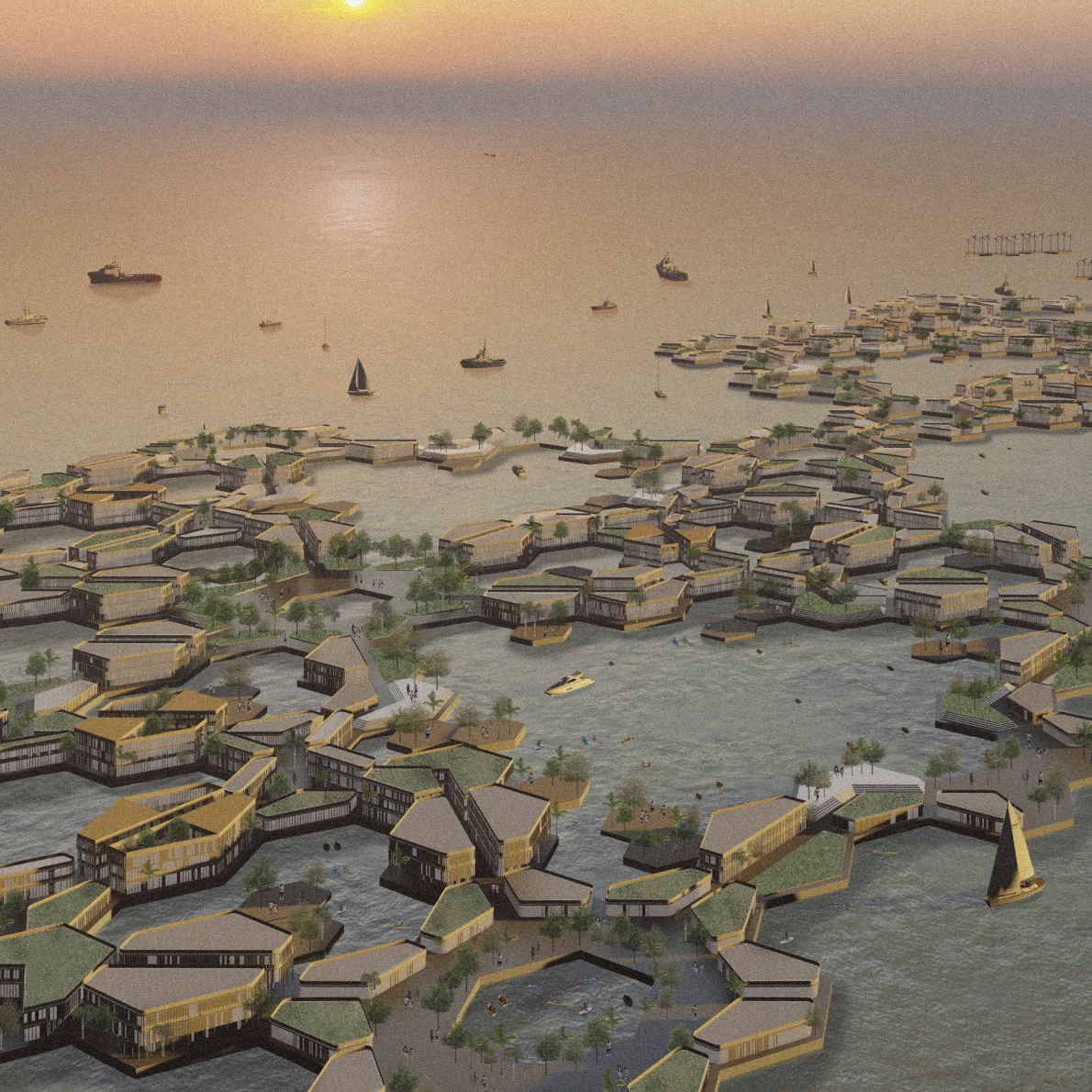
The goal of this project is to develop a life cycle assessment to evaluate the environmental impact and costs of a hypothetical OAWE farm. Moreover, the analysis would allow one to identify inefficiencies within the actual AWE systems and understand how to improve performance and sustainability, quantifying the impacts by means of standard and customized indicators and adapting AWE to the harsh marine environment

19th Cycle

Material Impact Passport

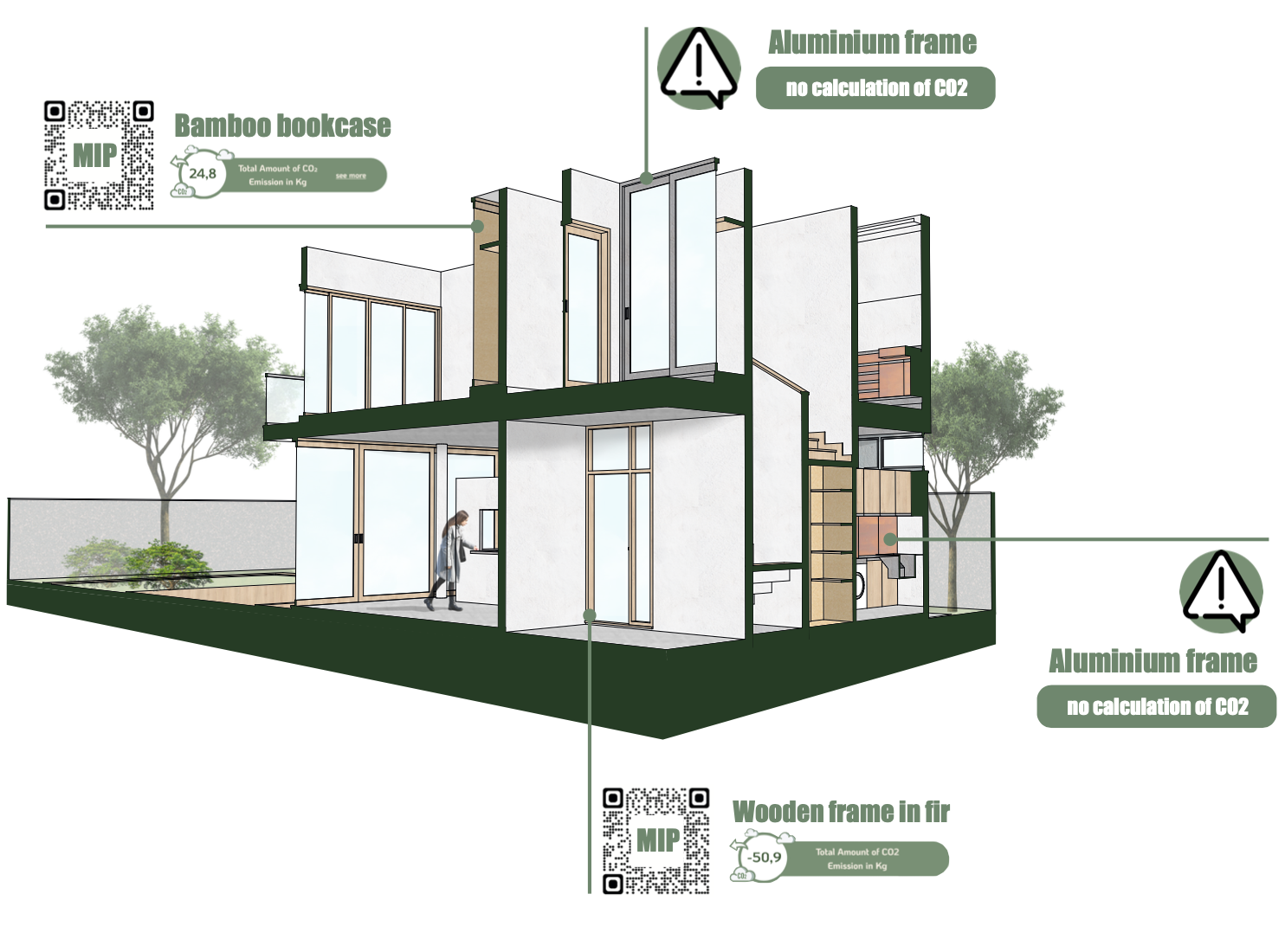
The project focused on renewable materials originating from forestry, as they are a sustainable building solution and display a favourable market outlook. Two case studies were explored to validate the MIP: a MIP prototype for a bamboo bookcase produced by the NGO Casa Congo in Nicaragua and a web-based platform for the LSB panel industrially manufactured by BNext in Italy.

19th Cycle

MOSS – Moon Outpost Smart Structures

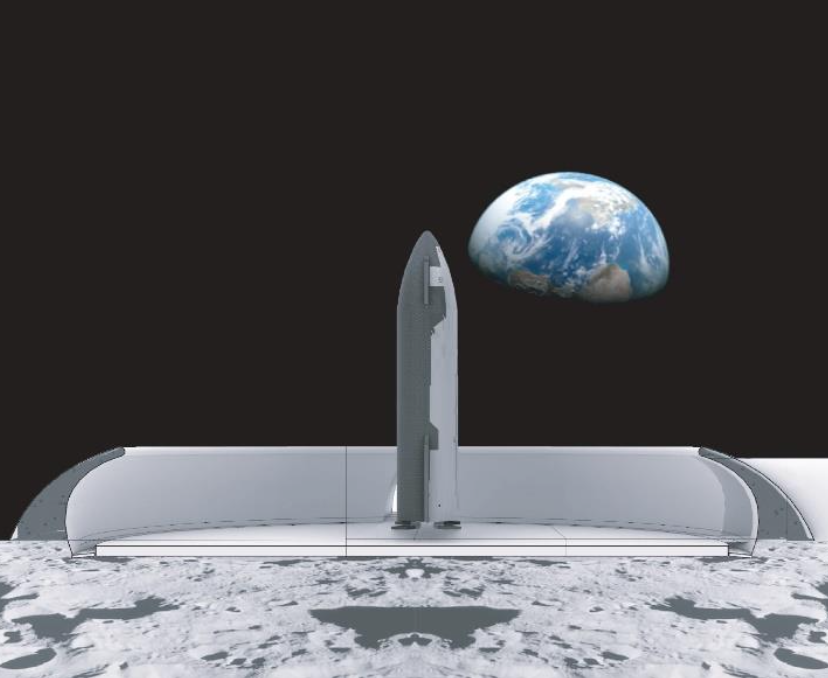
The Moon Outpost Smart Structures (MOSS) Project has a multidisciplinary research initiative aimed at establishing a sustainable lunar infrastructure using In-Situ Resource Utilization (ISRU) technologies.

19th Cycle

PROTON

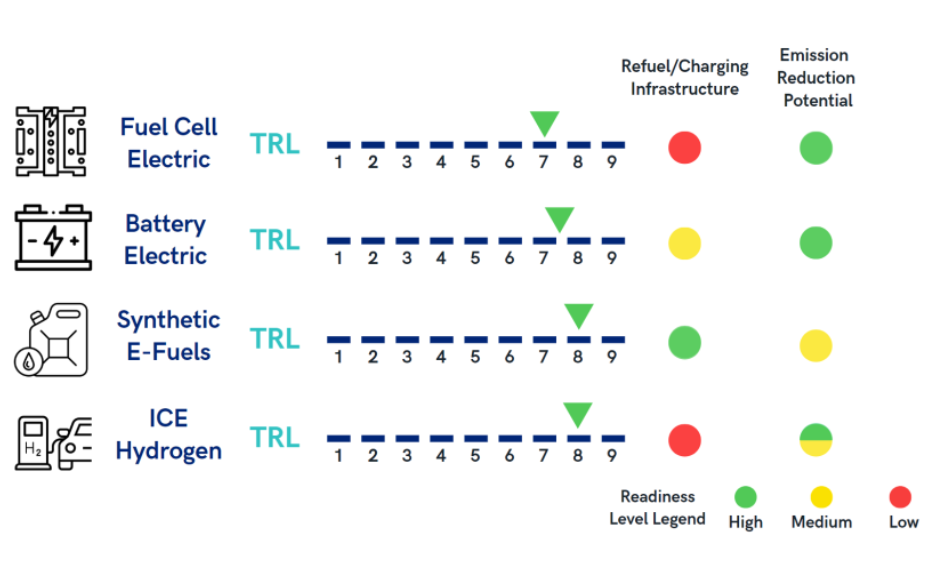
The goal of this project is to develop a comprehensive tool that evaluates the competitiveness of sustainable propulsion systems for heavy-duty vehicles (HDVs), focusing on emerging technologies like Fuel Cell Electric Vehicles (FCEVs) and Battery Electric Vehicles (BEVs).

19th Cycle

uFactory

The uFactory approach not only reduces reliance on global supply chains and lowers transport emissions but also responds to growing market demands for customization, fostering sustainable urban manufacturing ecosystems.

19th Cycle

VisioMAC

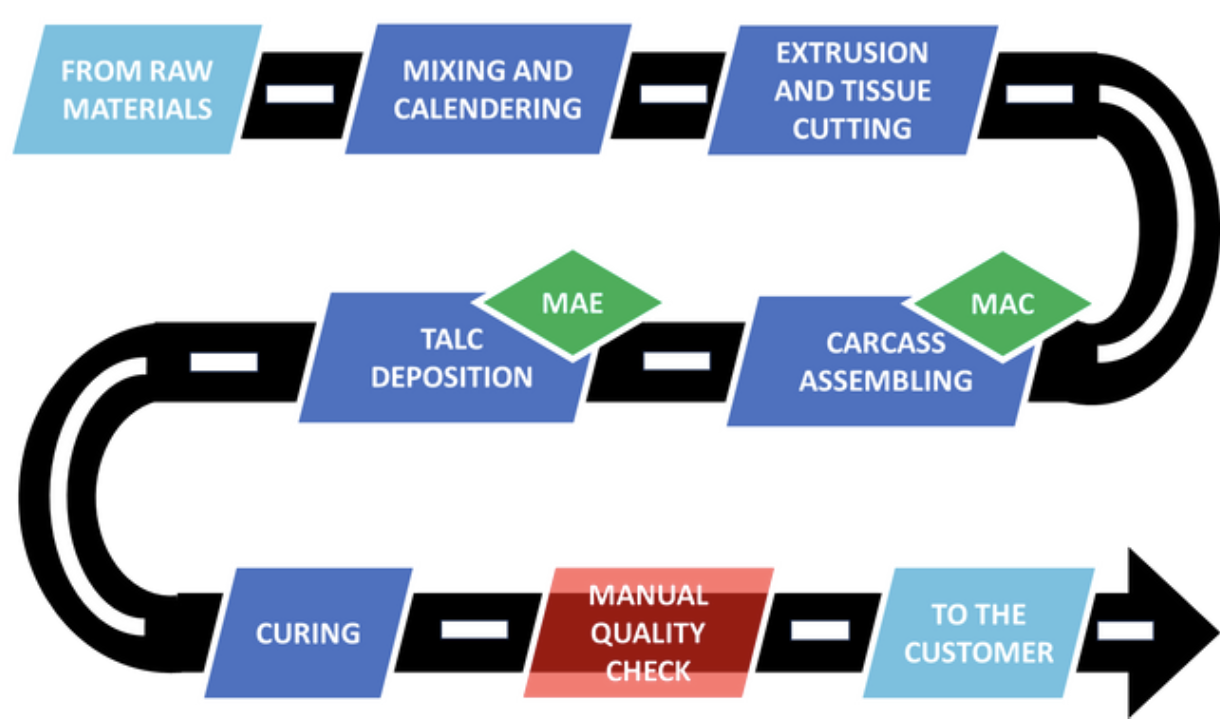
The VisioMAC initiative aims at introducing quality control along the production line of tires. The project was conducted in collaboration with the Michelin site of Cuneo, where we attended to the steps of tire production: mixing and calendaring, extrusion and tissue cutting, carcass assembling, green tire (unvulcanized tire) fabrication, curing, and final inspection.

AMSHI

The AMSHI project aims at contributing to reduce the urban heat island effect, by designing a self-locking paving block with a low degree of embodied energy for public spaces.

18th Cycle

AppDCO2

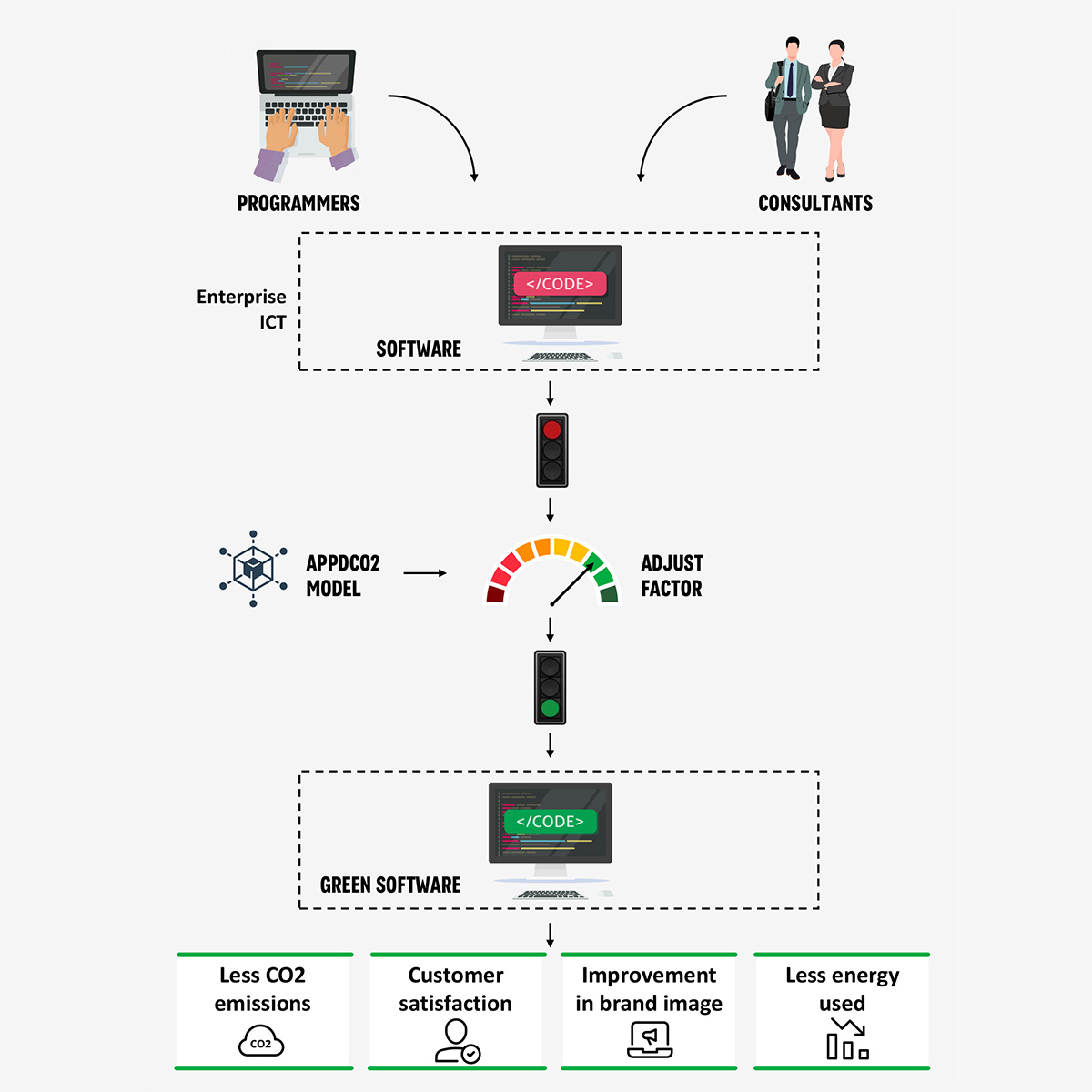
The objective of AppDCO2 is to support enterprises with specific applications either in their decision-making process when choosing their tech partner companies or in assessing the impact of their internal applications and finding ways to reduce it.

18th Cycle

Data-Driven Customer Value Systems

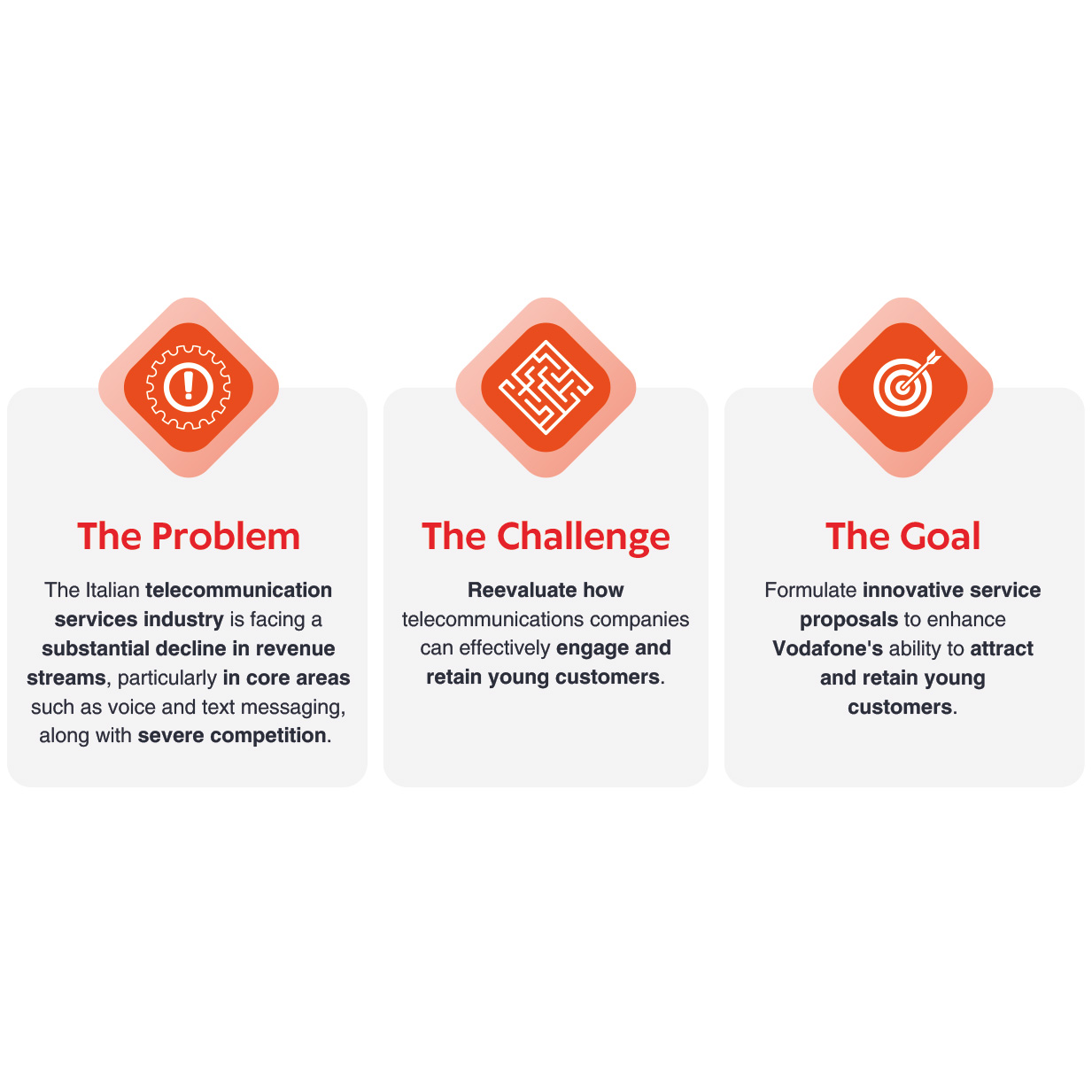
The ‘Data-Driven Customer Value Systems’ project was conceived as a response to these pressing industry challenges. Our role encompassed a comprehensive examination of the Industry and Market, and the development familias & personas with a specific lens on the 18-30-year-old customer segment, to gain profound insights into customer behaviors, thereby establishing the foundation for innovative service proposals.

18th Cycle

eHome Solutions

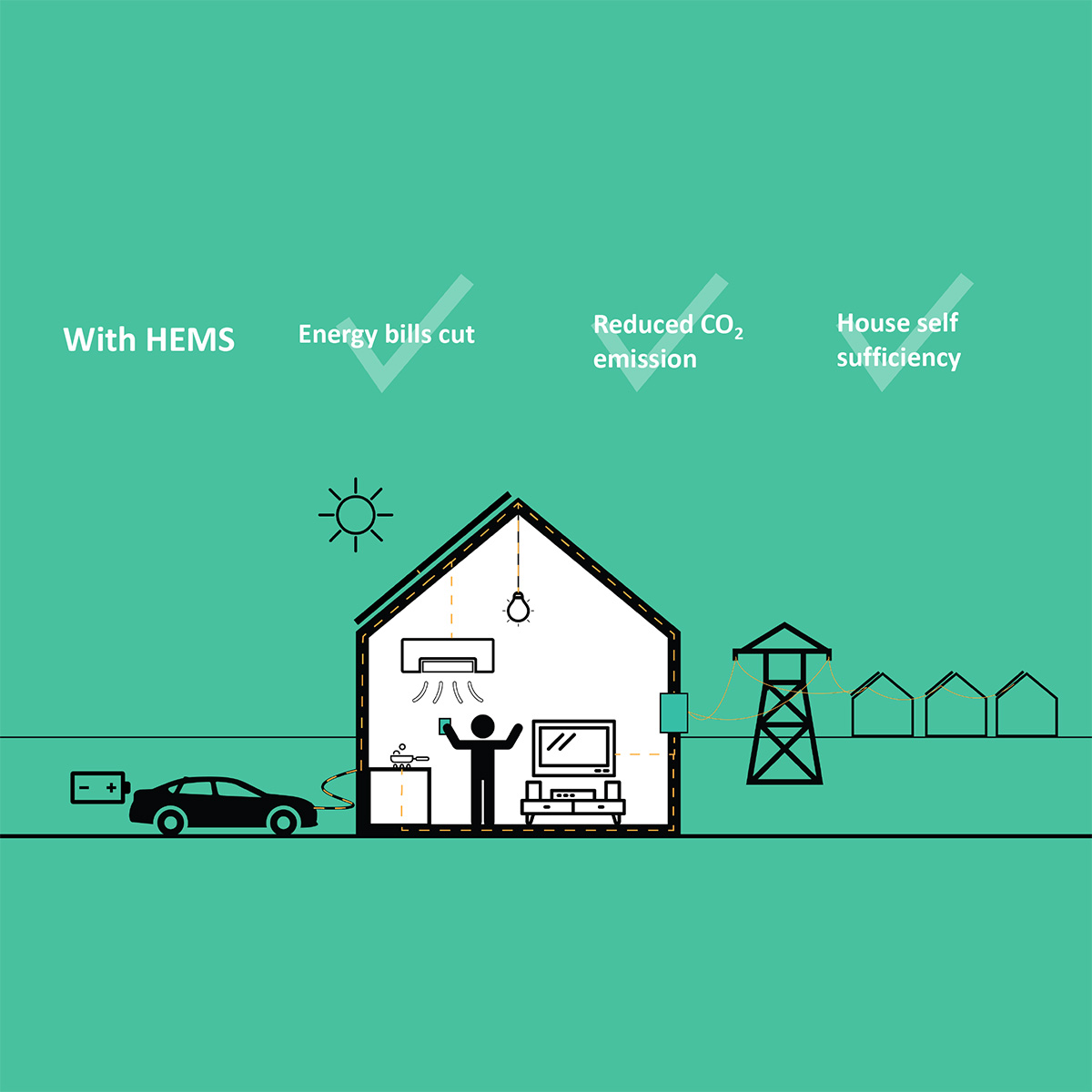
The goal of this project is therefore to develop a comprehensive HEMS, including a control algorithm and a user interface, able to operate with a broad range of devices and achieve previously unattainable performance.

18th Cycle

GreenWEC

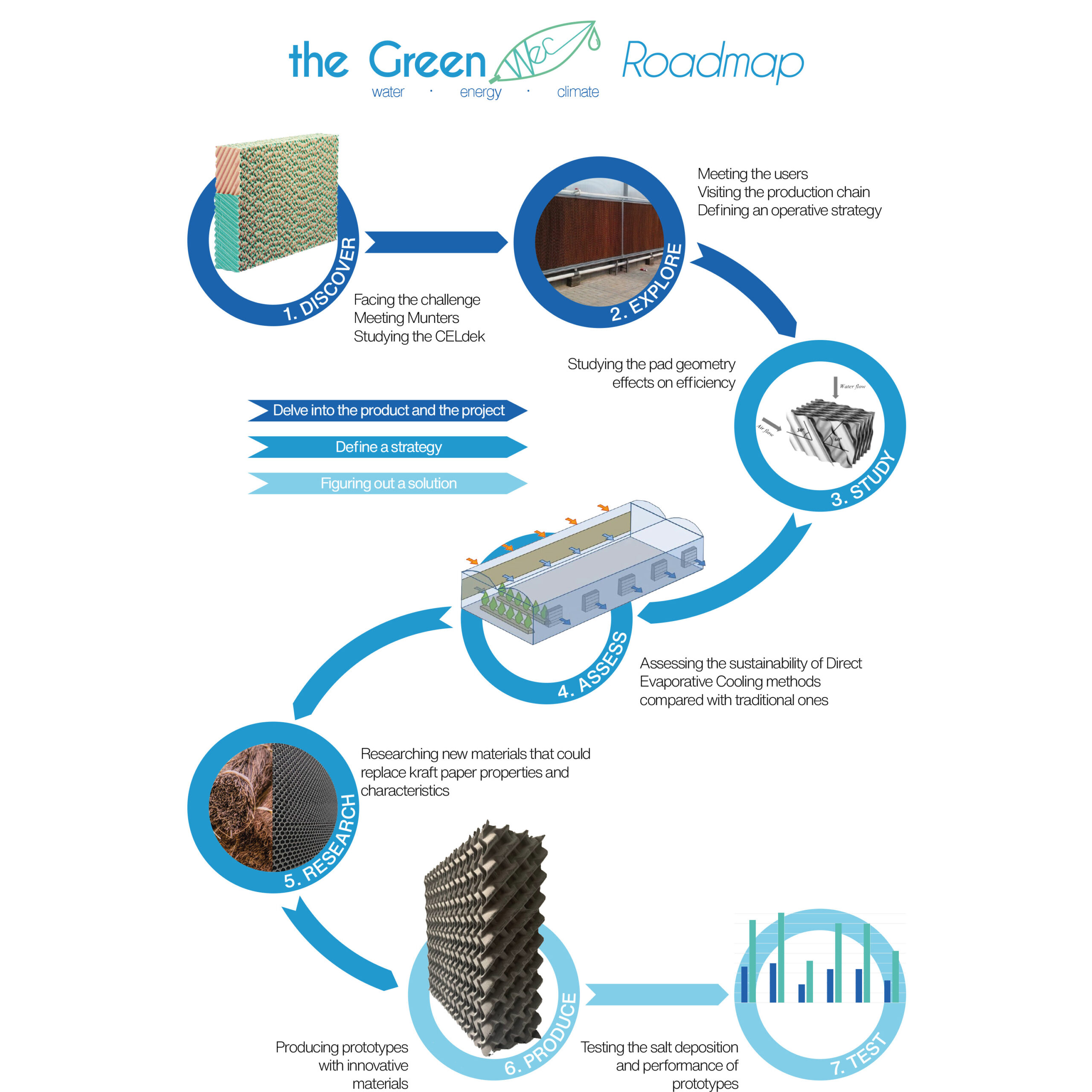
Our project addresses critical challenges in greenhouse cooling by aiming to reduce water consumption, improve sustainability, and enhance performance. Stakeholder analysis guided our approach, and research into materials and experimental activities led to promising alternatives. Our goal is to provide an innovative and sustainable solution that meets the diverse needs of stakeholders, ensures water conservation, and secures the economic viability of greenhouse applications. By focusing on these strategies and technologies, we can contribute to the advancement of sustainable practices in the agricultural sector while addressing the pressing issue of water scarcity. 

Academic research

Entrepreneurship & Hi-tech start-ups
18th Cycle

OASIS

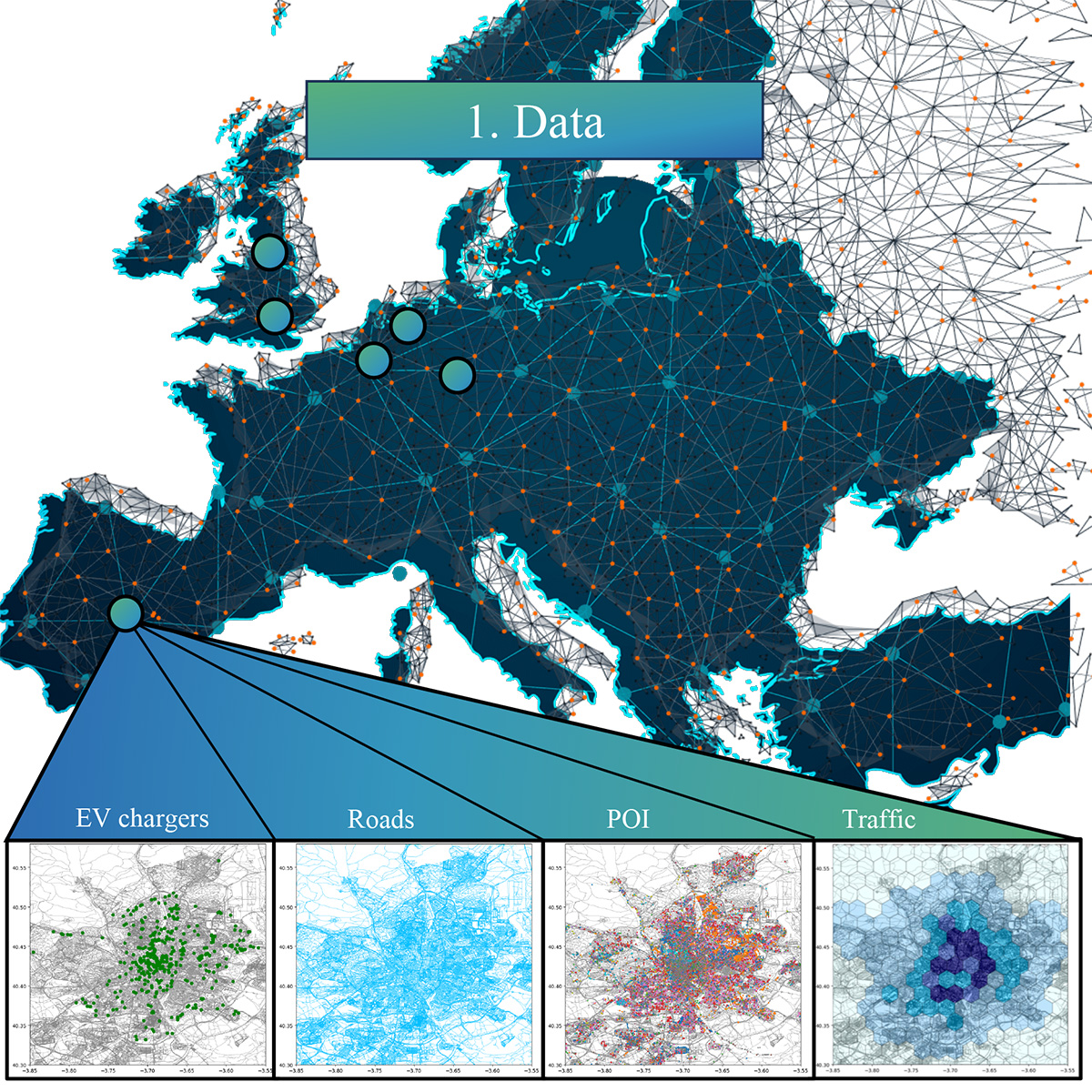
OASIS: Optimal Allocation and Sizing of Infrastructure for charging electric
vehicle basing on predictive Simulations.

18th Cycle

NebulOS

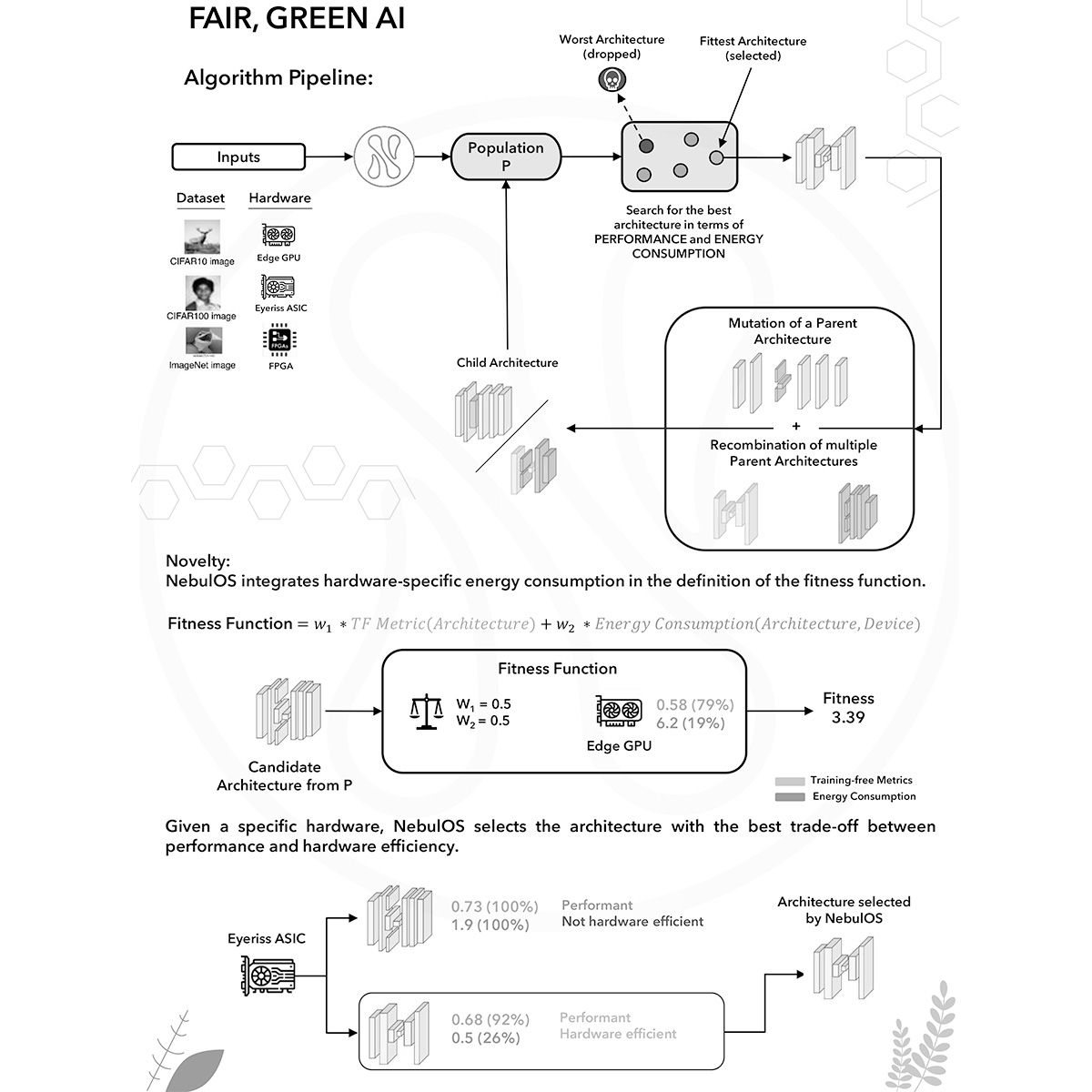
Unlike traditional methods that search for the best model only considering the performance on the downstream task, NebulOS also takes into the energy consumption when training a model on a specific hardware, producing tailored designs on a variety of different devices. This ensures that the final model aligns with the end-user’s unique needs, resources, and preferences. 

17th Cycle

SoCo – Social commerce in P&G

Social media has set the stage to a complex, quickly changing and hyper-connected environment in which people interact with each

17th Cycle

TESNIR

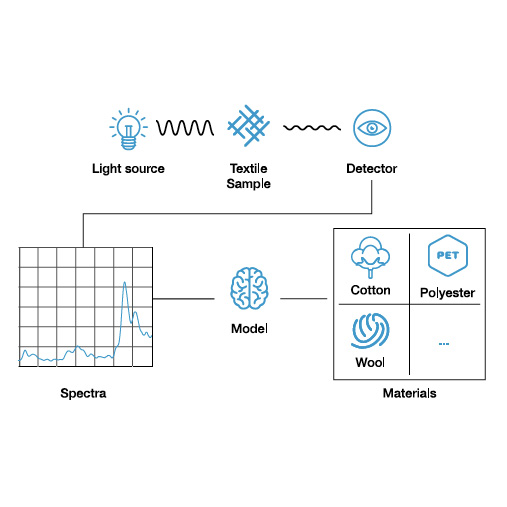
Nowadays, the textile industry has a massive environmental impact, involving depletion of resources in the production of garments and a

Social impact & Engagement