Industry & Innovation

RECAME Stone front image

RE-CAME STONE

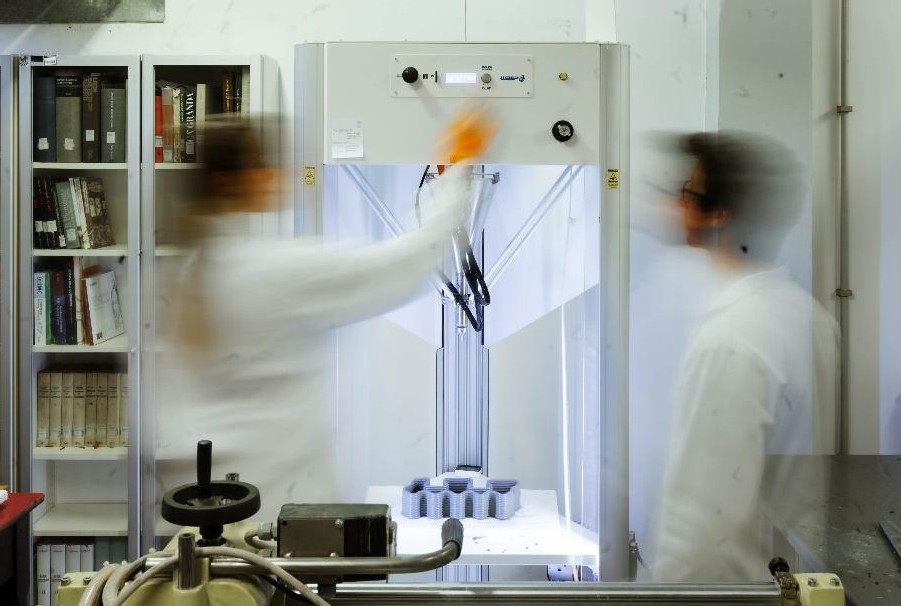
The construction industry alone accounts for 37% of global CO2 emissions, with cement production alone accounting for 8%. It is essential to propose a sustainable alternative capable of reducing the impact of this hard-to-abate sector. The Re-Came Stone project proposes an innovative solution: taking waste from stone cutting industry and transforming it into a building component through additive manufacturing (AM)
RE-CAME STONE Read More »

U-Deck front image

U-Deck

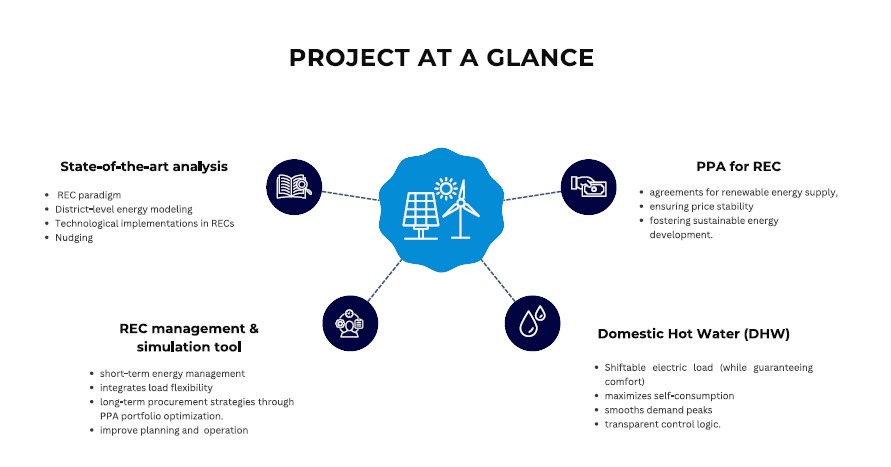
Urban areas, due to their high population density, intensive infrastructure, and concentrated economic activities, are responsible for approximately 70% of global greenhouse gas (GHG) emissions and consume around 65% of the world’s total energy. In this context, Renewable Energy Communities (RECs) have emerged as an innovative and decentralize solution capable of reducing the environmental impact of cities by enabling local production, consumption, and sharing of clean energy.

U-Deck Read More »

AI-STABLEPOWER

AI-STABLEPOWER aims at developing methodologies for the analysis of power system stability by means of state-of-the-art artificial intelligence (AI) techniques. Indeed, monitoring stability is a major concern for Transmission System Operators (TSOs), as the ongoing displacement of conventional generators by renewable generation technologies has reduced system inertia, thus affecting system stability.

AI-STABLEPOWER Read More »

ASCloud – TC: All Sky Camera Cloud Type Classifier

The project aims to research, develop and implement a highly accurate 24/7 cloud-type classification system (CTCS). This classification system uses two advanced all-sky smart cameras that capture images in both visible and infrared domains, enabling accurate sky coverage classification. Smart all-sky cameras sensors refine and improve data collections and incorporate numerous measures to ensure a consistent data flow and minimize classification errors.

ASCloud – TC: All Sky Camera Cloud Type Classifier Read More »

IPSE

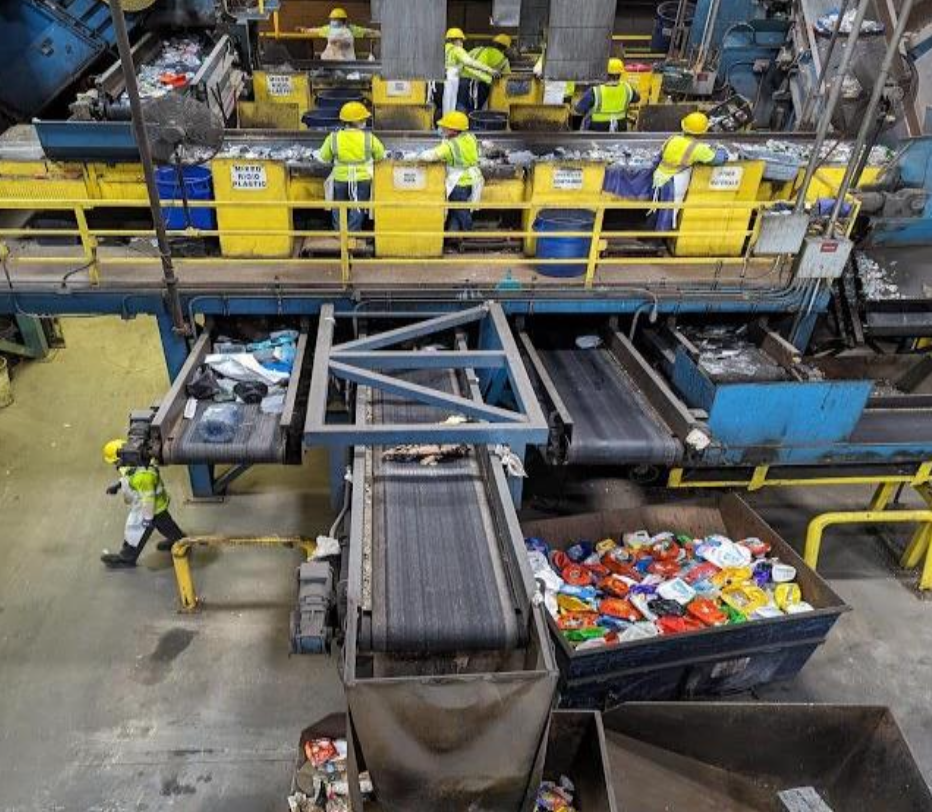
Aim of the project is to carry out a comprehensive and multidisciplinary evaluation of the potential to upgrade the plastic sorting plants with such technologies; this will include some preliminary theoretical evaluations, some practical testing on both an experimental facility owned by Corepla and a full-scale sorting plant, an environmental, economic and social assessment, the latter related to the potential loss of work. Finally, the outcome of the work will become inputs for the eco-design of the plastic products that will allow a better sorting and handling at the plants.

IPSE Read More »

LCAirborne

The goal of this project is to develop a life cycle assessment to evaluate the environmental impact and costs of a hypothetical OAWE farm. Moreover, the analysis would allow one to identify inefficiencies within the actual AWE systems and understand how to improve performance and sustainability, quantifying the impacts by means of standard and customized indicators and adapting AWE to the harsh marine environment

LCAirborne Read More »