20th Cycle

Making@clinics front image

Making@Clinics

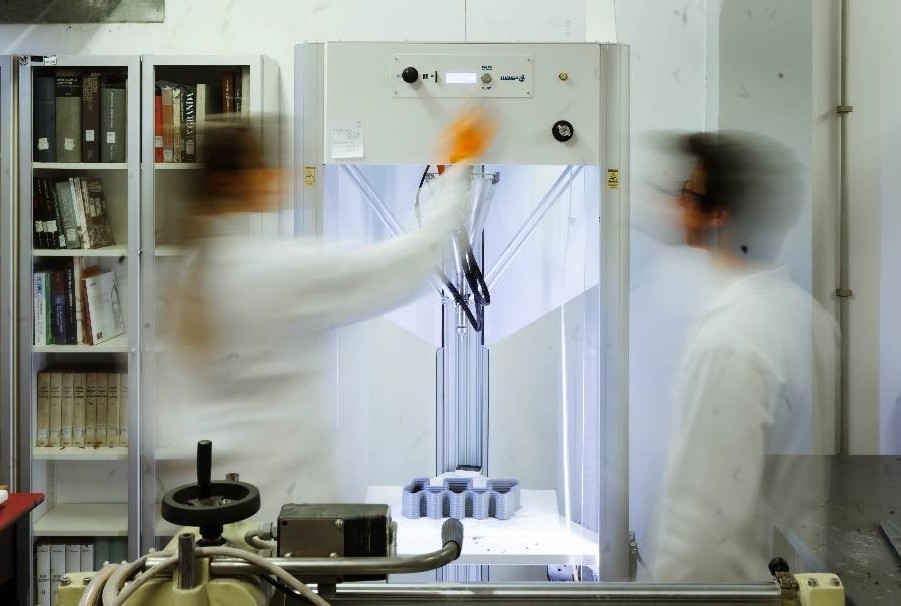
The Making@Clinics project explores the integration of advanced digital fabrication technologies, particularly 3D printing, into clinical environments to enable on-demand production of patient-specific devices. While applicable to diverse healthcare solutions such as hearing aids or orthotics, the project’s main case study focuses on sensor-equipped orthodontic aligners. These smart aligners enhance personalization, monitor wear compliance, and help prevent dental damage. The overarching goal is to develop compact “3D printing corners” that merge cutting-edge technologies with structural sensing, giving healthcare professionals direct control over design and production.

Making@Clinics Read More »

METAVENT FRONT IMAGE

METAVENT

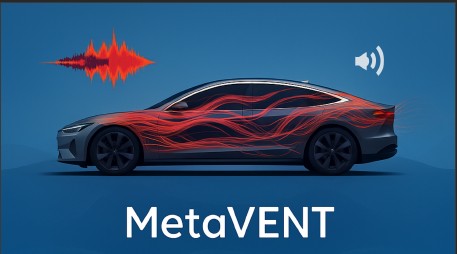
The MetaVENT project addresses the pressing challenge of reducing low-frequency noise generated by Heating, Ventilation and Air Conditioning (HVAC) systems in modern vehicles. In conventional cars,
engine noise partially masks the sound of HVAC units; however, in electric vehicles this masking effect is absent, making HVAC noise a more dominant and disturbing contributor to the acoustic environment of the cabin. Traditional noise control solutions, such as foams and liners, become ineffective below 1000 Hz unless significant thicknesses (often greater than 50 mm) are used, which are incompatible with the limited space available in automotive ducts.

METAVENT Read More »

MOSE2030 FRONT IMAGE

MOSE2030

The MOSE2030 project, developed with Stellantis, delivers a datadriven and adaptable methodology to guide mobility strategies across global markets. Its core aim is to help Stellantis identify the most viable countries for entry by aligning infrastructure, environment, culture, and technology with business goals. The urgency is clear: by 2030, more than 8.5 billion people will live on the planet, with rapid
urbanization straining transport systems, driving emissions, and intensifying inequality. For automotive leaders, success depends on acting quickly with strategies tailored to local realities.

MOSE2030 Read More »

MoStA22Hubs frony image

MoStA22Hubs

The project addresses the strategic transformation of motorway toll stations into advanced multimodal hubs. With the implementation of the free flow system, which removes physical toll barriers, these
infrastructural nodes can evolve from simple transactional points into gateways connecting the motorway network with public transport, rail, micro-mobility, and logistics. The overarching vision is to reduce
traffic congestion and enhance regional accessibility through smoother and more integrated connections.

MoStA22Hubs Read More »

PHOENIX FRONT IMAGE

PHOENIX

Hydrogen is emerging as the future of renewable fuels, with various technologies for its production under development. Upon alternative solutions, photocatalysis stands for its unique potentialities: reduced electric energy consumption, simple and robust reactors. Moreover, green hydrogen production is combined with purification of industrial wastewater, making this technology doubly appealing.

PHOENIX Read More »

PNRelay front image

PNRelay

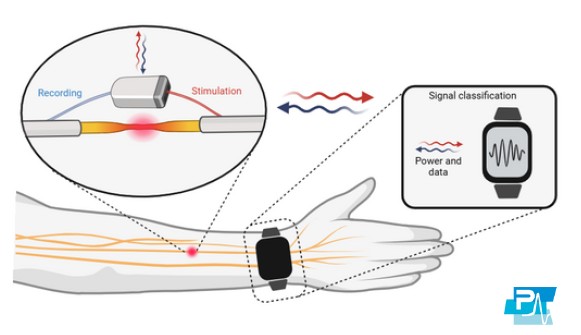
Peripheral nerve injuries (PNIs) interrupt the transmission of motor and sensory signals between the brain and body, causing both physical disability and severe psychological consequences. Patients with PNIs
are eight times more likely to develop anxiety and depression, while the healthcare burden, including surgery, rehabilitation, and disability support, can exceed two million dollars per case. With incidence
expected to rise due to aging populations and the growing prevalence of hypertension and diabetes, new therapeutic approaches are urgently needed.

PNRelay Read More »

RA.RE3 front image

Ra.Re³

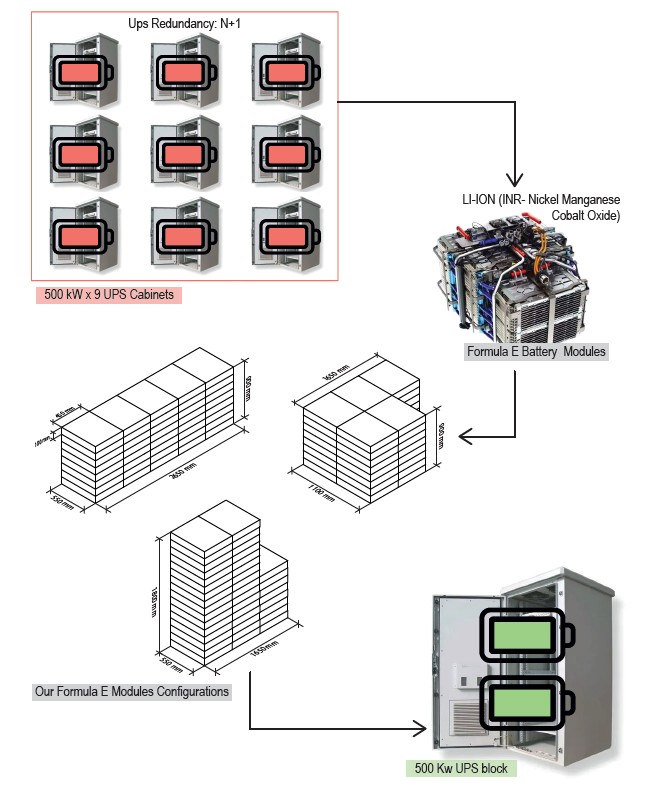
Ra.Re³ is a research initiative exploring the repurposing of second-life lithium-ion (Li-ion) batteries originally used in Formula E electric vehicles (EVs) for stationary energy storage applications. By extending their operational life, the project contributes to United Nations (UN) Sustainable Development Goals (SDGs), including affordable and clean energy (SDG 7), industry innovation (SDG 9), responsible consumption (SDG 12), and climate action (SDG 13).

Ra.Re³ Read More »

RECAME Stone front image

RE-CAME STONE

The construction industry alone accounts for 37% of global CO2 emissions, with cement production alone accounting for 8%. It is essential to propose a sustainable alternative capable of reducing the impact of this hard-to-abate sector. The Re-Came Stone project proposes an innovative solution: taking waste from stone cutting industry and transforming it into a building component through additive manufacturing (AM)

RE-CAME STONE Read More »

REClyced Pavillon - front image

RECycled Pavillon

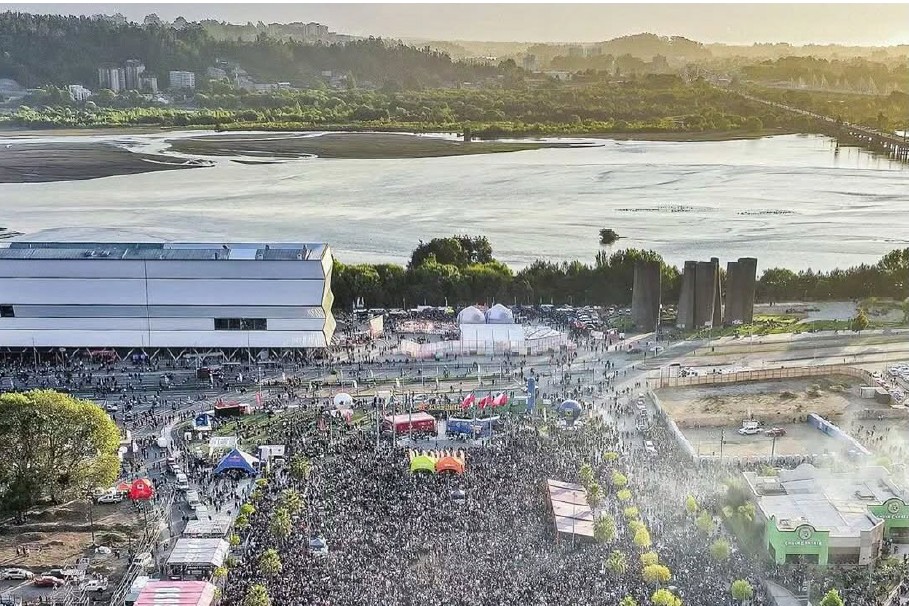
RECycled Pavilion is a temporary architectural installation realized in the city of Concepción (Chile) as part of the 10th anniversary of the largest free music festival in the country, REC Festival. The project was developed by an international team of students and teachers from the Alta Scuola Politecnica in collaboration with the Universidad del Desarrollo (UDD, Chile) and was realized in March 2025.

RECycled Pavillon Read More »

U-Deck front image

U-Deck

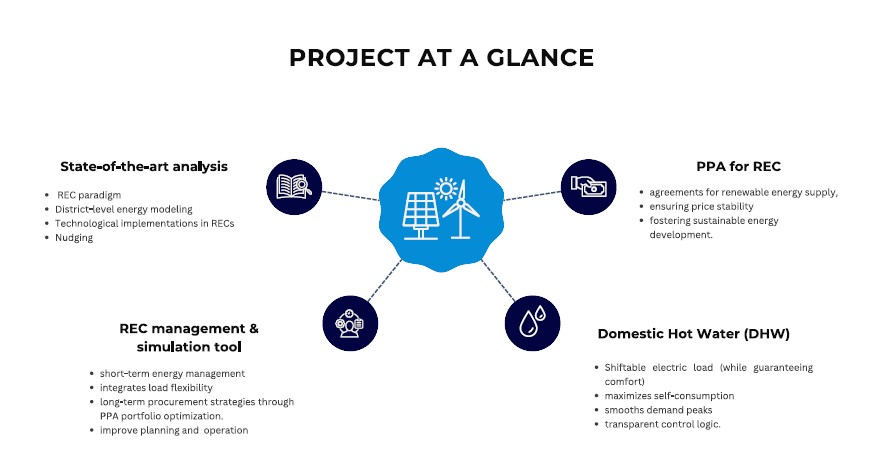
Urban areas, due to their high population density, intensive infrastructure, and concentrated economic activities, are responsible for approximately 70% of global greenhouse gas (GHG) emissions and consume around 65% of the world’s total energy. In this context, Renewable Energy Communities (RECs) have emerged as an innovative and decentralize solution capable of reducing the environmental impact of cities by enabling local production, consumption, and sharing of clean energy.

U-Deck Read More »