GAIA-FS
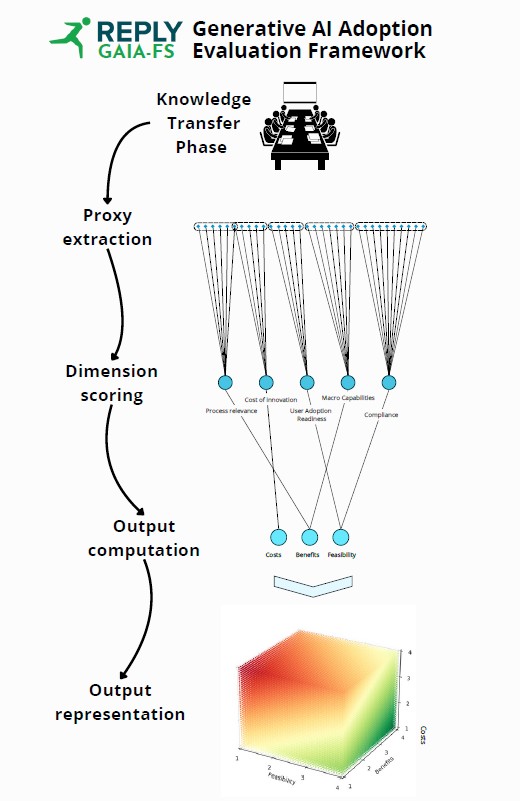
The financial services industry is at a critical inflection point, confronted with both the immense promise of Generative Artificial Intelligence (GenAI) and widespread hesitation around its adoption.

The financial services industry is at a critical inflection point, confronted with both the immense promise of Generative Artificial Intelligence (GenAI) and widespread hesitation around its adoption.
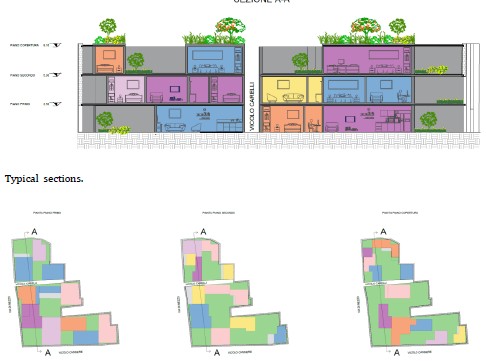
The ISOLAx project is an innovative urban regeneration initiative designed to tackle the intertwined issues of housing inadequacy, social fragmentation, and economic decline in Taranto’s historic Old City, an area plagued by vacant buildings and precarious living conditions.
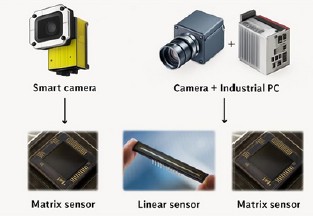
The rise of high-performance electric SUVs creates new tyre challenges: higher torque, battery weight, and the need for durability, grip, efficiency, and sustainability. Michelin responded with Project KADEL, aiming to design tyres optimized for EVs without compromising safety.

Lean Packaging is a project developed in collaboration with the coffee company Lavazza, aiming to cut void space and waste in e-commerce shipments without sacrificing product protection, costs, or customer choice. It targets compliance with the EU Packaging and Packaging Waste Regulation (PPWR), which from 2030 caps unused volume per parcel at 40%. Lavazza’s baseline is ∼ 31.3% fill (∼ 68.7% empty), showing a clear gap.

The Making@Clinics project explores the integration of advanced digital fabrication technologies, particularly 3D printing, into clinical environments to enable on-demand production of patient-specific devices. While applicable to diverse healthcare solutions such as hearing aids or orthotics, the project’s main case study focuses on sensor-equipped orthodontic aligners. These smart aligners enhance personalization, monitor wear compliance, and help prevent dental damage. The overarching goal is to develop compact “3D printing corners” that merge cutting-edge technologies with structural sensing, giving healthcare professionals direct control over design and production.
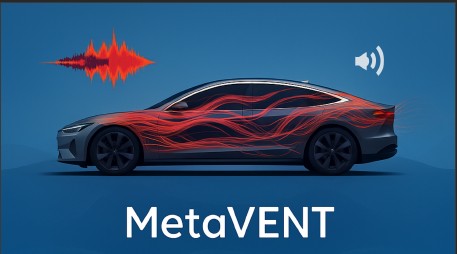
The MetaVENT project addresses the pressing challenge of reducing low-frequency noise generated by Heating, Ventilation and Air Conditioning (HVAC) systems in modern vehicles. In conventional cars,
engine noise partially masks the sound of HVAC units; however, in electric vehicles this masking effect is absent, making HVAC noise a more dominant and disturbing contributor to the acoustic environment of the cabin. Traditional noise control solutions, such as foams and liners, become ineffective below 1000 Hz unless significant thicknesses (often greater than 50 mm) are used, which are incompatible with the limited space available in automotive ducts.

The MOSE2030 project, developed with Stellantis, delivers a datadriven and adaptable methodology to guide mobility strategies across global markets. Its core aim is to help Stellantis identify the most viable countries for entry by aligning infrastructure, environment, culture, and technology with business goals. The urgency is clear: by 2030, more than 8.5 billion people will live on the planet, with rapid
urbanization straining transport systems, driving emissions, and intensifying inequality. For automotive leaders, success depends on acting quickly with strategies tailored to local realities.

The project addresses the strategic transformation of motorway toll stations into advanced multimodal hubs. With the implementation of the free flow system, which removes physical toll barriers, these
infrastructural nodes can evolve from simple transactional points into gateways connecting the motorway network with public transport, rail, micro-mobility, and logistics. The overarching vision is to reduce
traffic congestion and enhance regional accessibility through smoother and more integrated connections.
Hydrogen is emerging as the future of renewable fuels, with various technologies for its production under development. Upon alternative solutions, photocatalysis stands for its unique potentialities: reduced electric energy consumption, simple and robust reactors. Moreover, green hydrogen production is combined with purification of industrial wastewater, making this technology doubly appealing.
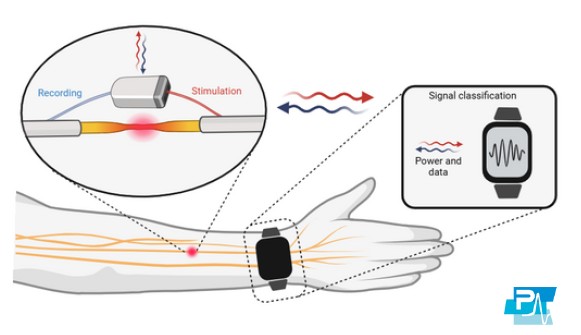
Peripheral nerve injuries (PNIs) interrupt the transmission of motor and sensory signals between the brain and body, causing both physical disability and severe psychological consequences. Patients with PNIs
are eight times more likely to develop anxiety and depression, while the healthcare burden, including surgery, rehabilitation, and disability support, can exceed two million dollars per case. With incidence
expected to rise due to aging populations and the growing prevalence of hypertension and diabetes, new therapeutic approaches are urgently needed.