


ASP projects

Students participate to multidisciplinary projects, focusing on real and relevant problems, proposed as a collaboration between universities and external institutions (i.e., firms, governmental or research institutions).

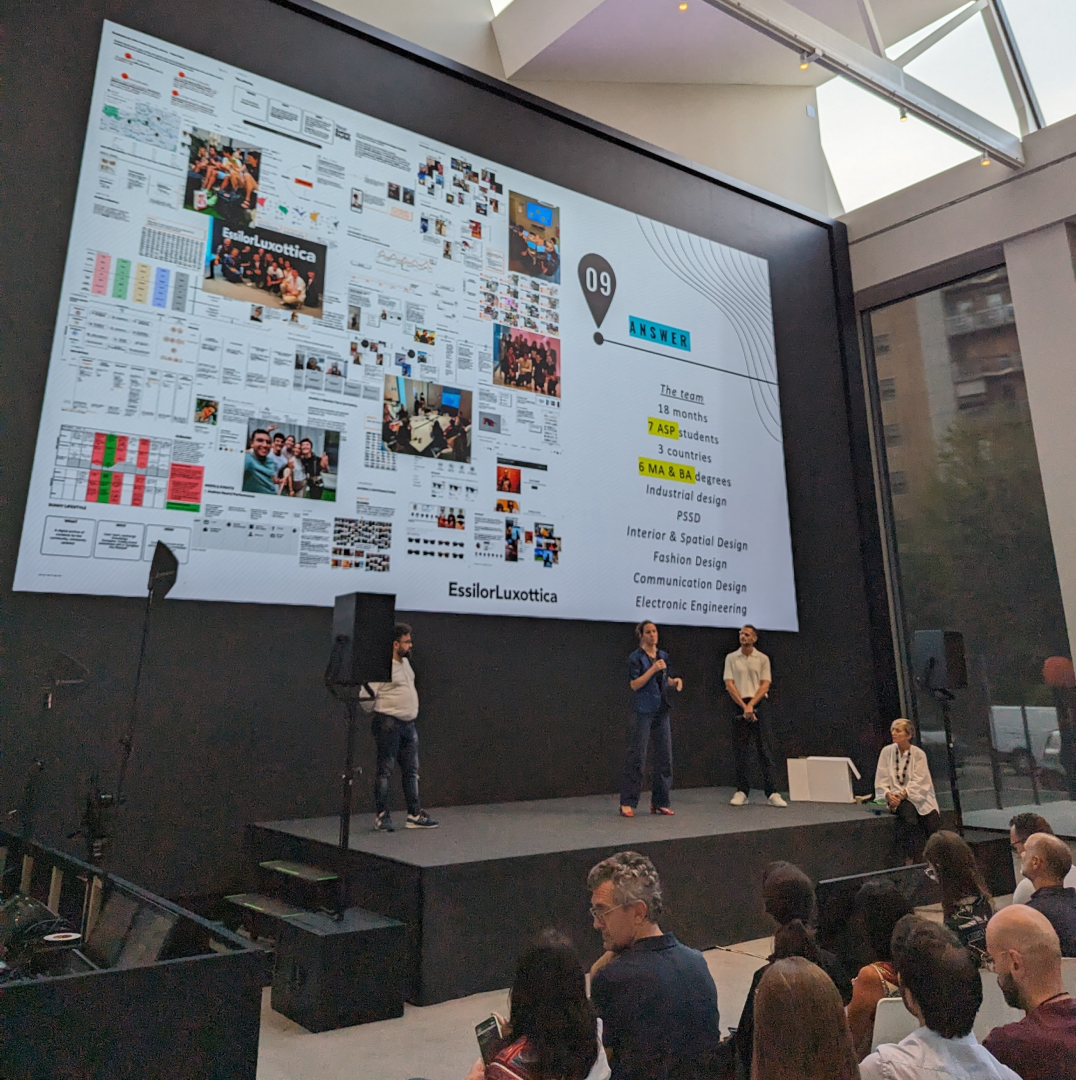
Project teams consist of 7/8 students from different schools and are therefore intrinsically multidisciplinary. Each project team is assisted by tutors with a multifaceted background, selected among the Faculty of Politecnico di Milano and Politecnico di Torino as well as among experts of the proposing external institutions. Tutors advice students and periodically review their intermediate results.

Teams are provided with funds that allow them to make study trips, attend conferences, buy books and materials to help develop the project. The project plan and budget is defined by the team and agreed with the tutors.

Projects are focused on four “problem-based learning” tracks:

Industry & Innovation

These projects are based on investigating innovation opportunities in a variety of industries. As an example, they can try to identify the benefits at company level of the new technologies available in the market.

Academic research

These projects are based on creating and furthering knowledge for companies, public and private institutions for structuring and solving complex problems.

Entrepreneurship
& Hi-tech start-ups

These projects are based on investigating entrepreneurial opportunities with a particular focus on hi-tech start-ups. These projects try to analyse the scenario of high-tech start-ups and evaluate their impacts at different levels.

Social impact & Engagement

These projects have the aim of understanding potential positive changes that an organization can implement to address a pressing social issue and favouring people engagement for social and community development.

For more information, please write an email to projects@asp-poli.it.

The results of the projects from the 1st to the 15th ASP cycle are reunited and published in books that can be downloaded here.

Last ASP projects

Industry & Innovation

AVIWC FRONT IMAGE
2025

AVIWC

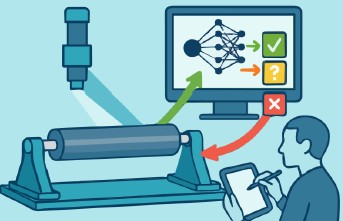
The inspection of aerospace components coated with HVOF tungsten carbide is currently performed manually at Collins Aerospace. These cylindrical rods, used in landing gear and actuators, must be free of defects such as scratches, cracks, or porosity, since any flaw can compromise mechanical strength. However, manual inspection is slow, costly, operator-dependent, and lacks digital traceability, making it unsustainable as demand and certification requirements increase.

ElectroOptimize Image
2025

ElectroOptimize

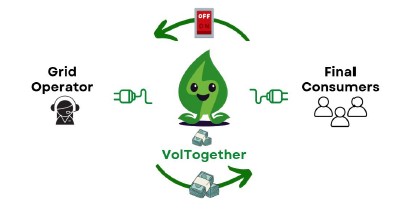
The rapid growth of electric vehicles (EVs) presents both significant issues and opportunities for the management of electricity grids. Renewable energy, for example from wind and solar, is intermittent, often generating mismatches between supply and demand that threaten system stability. At the same time, EVs spend most of their lifetime parked, leaving their batteries largely idle. This situation highlights the main issue: while the grid struggles with volatility, a vast distributed storage resource remains unexploited. Aggregating EVs into Virtual Power Plants (VPPs), digital platforms that manage distributed resources as a single energy unit, can transform this idle capacity into a valuable source of flexibility for the power system.

KADEL front image
2025

KADEL

The rise of high-performance electric SUVs creates new tyre challenges: higher torque, battery weight, and the need for durability, grip, efficiency, and sustainability. Michelin responded with Project KADEL, aiming to design tyres optimized for EVs without compromising safety.

lean packaging fron image
2025

Lean Packaging

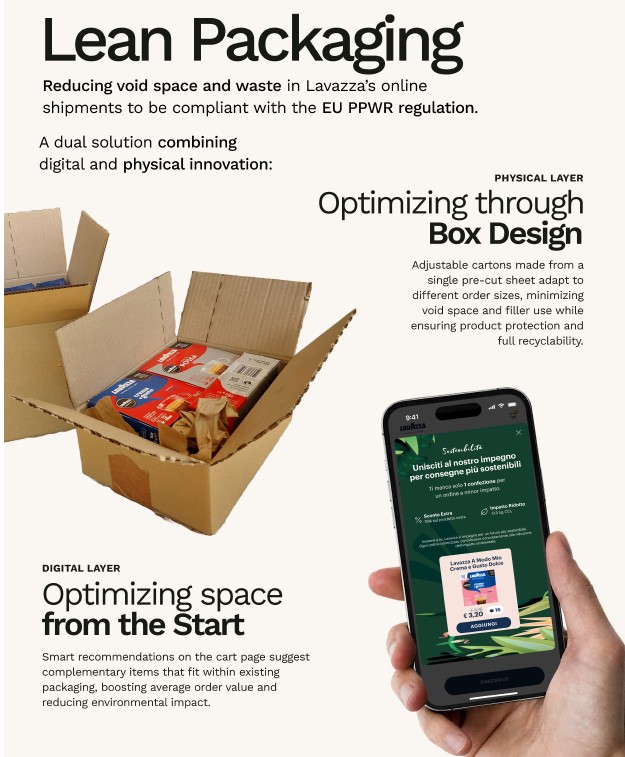
Lean Packaging is a project developed in collaboration with the coffee company Lavazza, aiming to cut void space and waste in e-commerce shipments without sacrificing product protection, costs, or customer choice. It targets compliance with the EU Packaging and Packaging Waste Regulation (PPWR), which from 2030 caps unused volume per parcel at 40%. Lavazza’s baseline is ∼ 31.3% fill (∼ 68.7% empty), showing a clear gap.

METAVENT FRONT IMAGE
2025

METAVENT

The MetaVENT project addresses the pressing challenge of reducing low-frequency noise generated by Heating, Ventilation and Air Conditioning (HVAC) systems in modern vehicles. In conventional cars,
engine noise partially masks the sound of HVAC units; however, in electric vehicles this masking effect is absent, making HVAC noise a more dominant and disturbing contributor to the acoustic environment of the cabin. Traditional noise control solutions, such as foams and liners, become ineffective below 1000 Hz unless significant thicknesses (often greater than 50 mm) are used, which are incompatible with the limited space available in automotive ducts.

MOSE2030 FRONT IMAGE
2025

MOSE2030

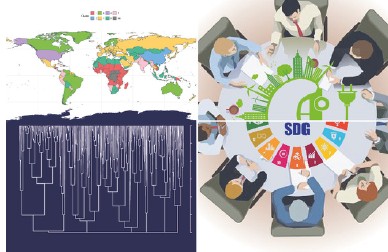
The MOSE2030 project, developed with Stellantis, delivers a datadriven and adaptable methodology to guide mobility strategies across global markets. Its core aim is to help Stellantis identify the most viable countries for entry by aligning infrastructure, environment, culture, and technology with business goals. The urgency is clear: by 2030, more than 8.5 billion people will live on the planet, with rapid
urbanization straining transport systems, driving emissions, and intensifying inequality. For automotive leaders, success depends on acting quickly with strategies tailored to local realities.

PHOENIX FRONT IMAGE
2025

PHOENIX

Hydrogen is emerging as the future of renewable fuels, with various technologies for its production under development. Upon alternative solutions, photocatalysis stands for its unique potentialities: reduced electric energy consumption, simple and robust reactors. Moreover, green hydrogen production is combined with purification of industrial wastewater, making this technology doubly appealing.

RA.RE3 front image
2025

Ra.Re³

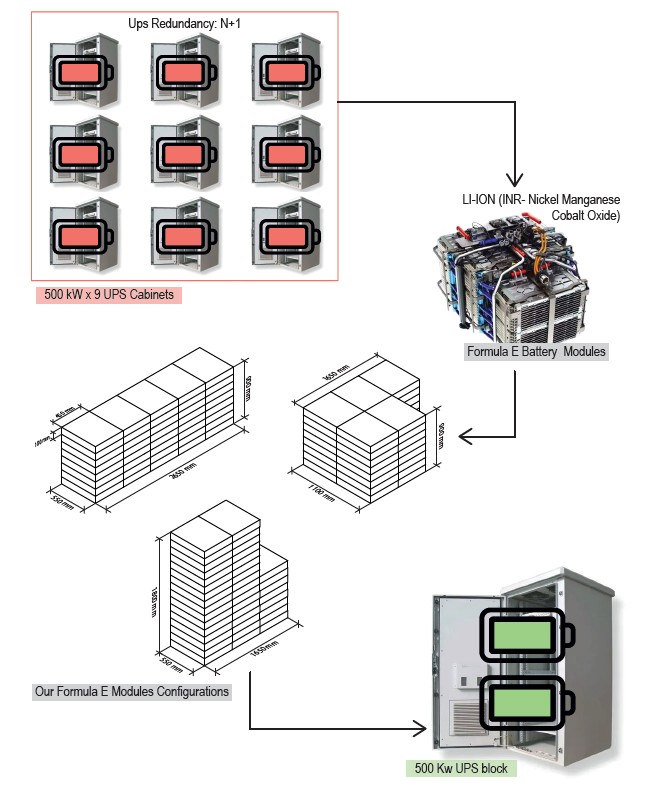
Ra.Re³ is a research initiative exploring the repurposing of second-life lithium-ion (Li-ion) batteries originally used in Formula E electric vehicles (EVs) for stationary energy storage applications. By extending their operational life, the project contributes to United Nations (UN) Sustainable Development Goals (SDGs), including affordable and clean energy (SDG 7), industry innovation (SDG 9), responsible consumption (SDG 12), and climate action (SDG 13).

RECAME Stone front image
2025

RE-CAME STONE

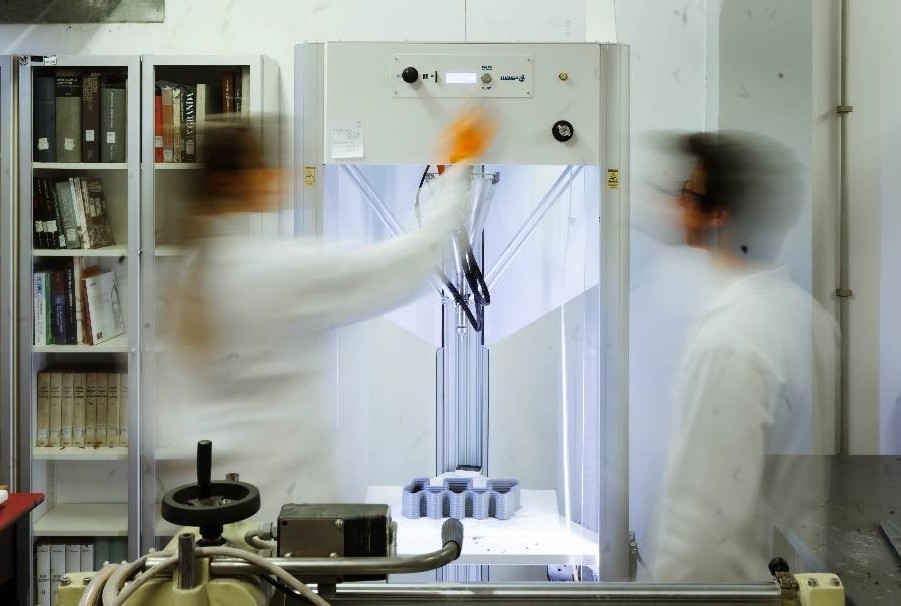
The construction industry alone accounts for 37% of global CO2 emissions, with cement production alone accounting for 8%. It is essential to propose a sustainable alternative capable of reducing the impact of this hard-to-abate sector. The Re-Came Stone project proposes an innovative solution: taking waste from stone cutting industry and transforming it into a building component through additive manufacturing (AM)

U-Deck front image
2025

U-Deck

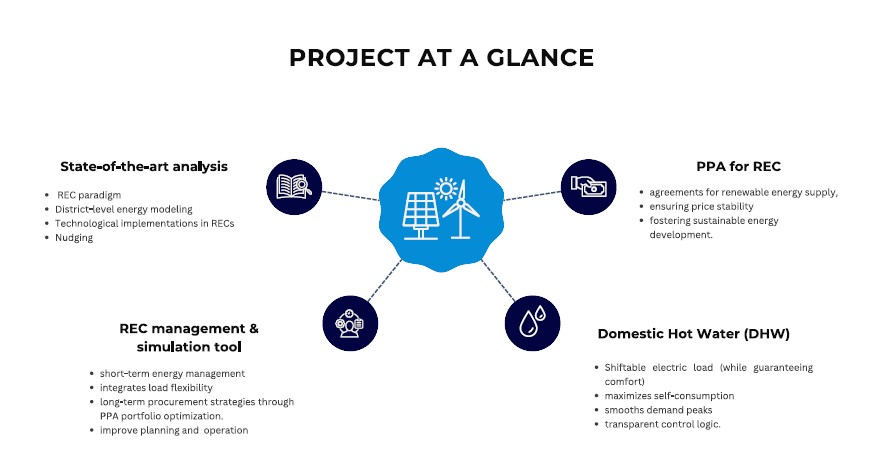
Urban areas, due to their high population density, intensive infrastructure, and concentrated economic activities, are responsible for approximately 70% of global greenhouse gas (GHG) emissions and consume around 65% of the world’s total energy. In this context, Renewable Energy Communities (RECs) have emerged as an innovative and decentralize solution capable of reducing the environmental impact of cities by enabling local production, consumption, and sharing of clean energy.

19th Cycle

AI-STABLEPOWER

AI-STABLEPOWER aims at developing methodologies for the analysis of power system stability by means of state-of-the-art artificial intelligence (AI) techniques. Indeed, monitoring stability is a major concern for Transmission System Operators (TSOs), as the ongoing displacement of conventional generators by renewable generation technologies has reduced system inertia, thus affecting system stability.

19th Cycle

ASCloud – TC: All Sky Camera Cloud Type Classifier

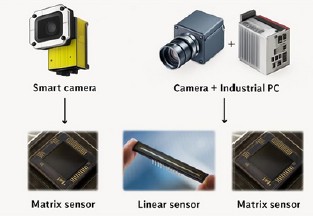
The project aims to research, develop and implement a highly accurate 24/7 cloud-type classification system (CTCS). This classification system uses two advanced all-sky smart cameras that capture images in both visible and infrared domains, enabling accurate sky coverage classification. Smart all-sky cameras sensors refine and improve data collections and incorporate numerous measures to ensure a consistent data flow and minimize classification errors.
Academic research

FARMER FRONT IMAGE
2025

FARMER

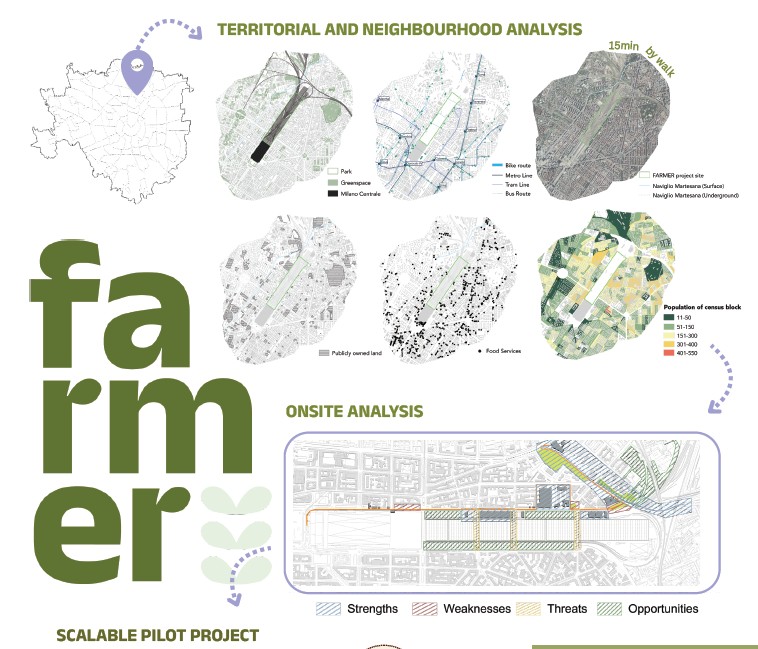
In the contemporary urban context, where cities face mounting pressures from rapid population growth and climate change, food security emerges as a critical challenge requiring innovative solutions. By 2030, nearly 60% of the global population will live in cities, placing new pressures on already vulnerable food systems. In this context, vertical farming emerges as a highly promising solution. However, it still requires deeper investigation, particularly with respect to effective implementation strategies. FARMER was
established in response to this metropolitan imperative. Its mission is to develop a research-driven project focused on analyzing urban food security challenges and formulating effective methodologies to
address them through vertical farming technologies.

GORSE front image
2025

GORSE

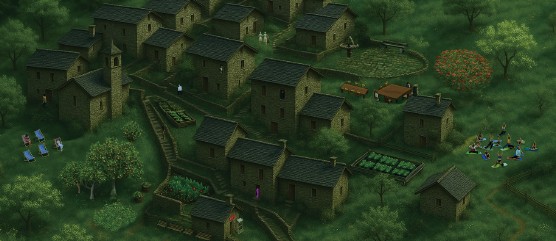
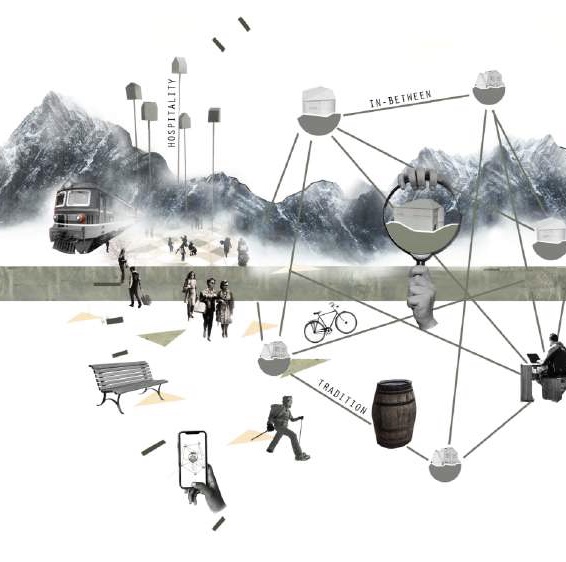
In the Italian context, where mountains and remote valleys suffer from limited accessibility and inadequate infrastructure, depopulation naturally emerges as a consequence for villages and towns located in those areas. This, in turn, makes efforts to revive local communities increasingly challenging. To reverse this trend and ensure the long-term viability of local economies, a deep understanding of the issue and well-informed decision-making are essential. GORSE was established in response to this challenge. Its mission is to develop a research-driven project focused on analyzing the various causes of depopulation and formulating effective methodologies to address them, ultimately aiming to repopulate these areas and revitalize local communities.

Making@clinics front image
2025

Making@Clinics

The Making@Clinics project explores the integration of advanced digital fabrication technologies, particularly 3D printing, into clinical environments to enable on-demand production of patient-specific devices. While applicable to diverse healthcare solutions such as hearing aids or orthotics, the project’s main case study focuses on sensor-equipped orthodontic aligners. These smart aligners enhance personalization, monitor wear compliance, and help prevent dental damage. The overarching goal is to develop compact “3D printing corners” that merge cutting-edge technologies with structural sensing, giving healthcare professionals direct control over design and production.
MoStA22Hubs frony image
2025

MoStA22Hubs

The project addresses the strategic transformation of motorway toll stations into advanced multimodal hubs. With the implementation of the free flow system, which removes physical toll barriers, these
infrastructural nodes can evolve from simple transactional points into gateways connecting the motorway network with public transport, rail, micro-mobility, and logistics. The overarching vision is to reduce
traffic congestion and enhance regional accessibility through smoother and more integrated connections.

PNRelay front image
2025

PNRelay

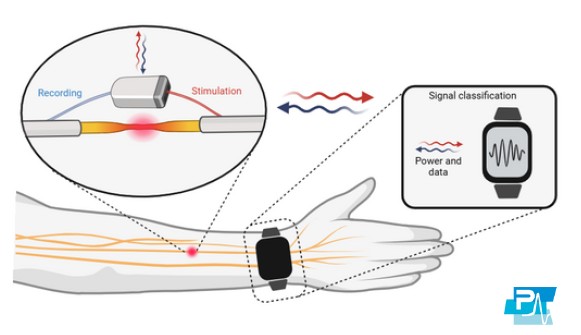
Peripheral nerve injuries (PNIs) interrupt the transmission of motor and sensory signals between the brain and body, causing both physical disability and severe psychological consequences. Patients with PNIs
are eight times more likely to develop anxiety and depression, while the healthcare burden, including surgery, rehabilitation, and disability support, can exceed two million dollars per case. With incidence
expected to rise due to aging populations and the growing prevalence of hypertension and diabetes, new therapeutic approaches are urgently needed.

VinPRO cover image
2025

VinPRO

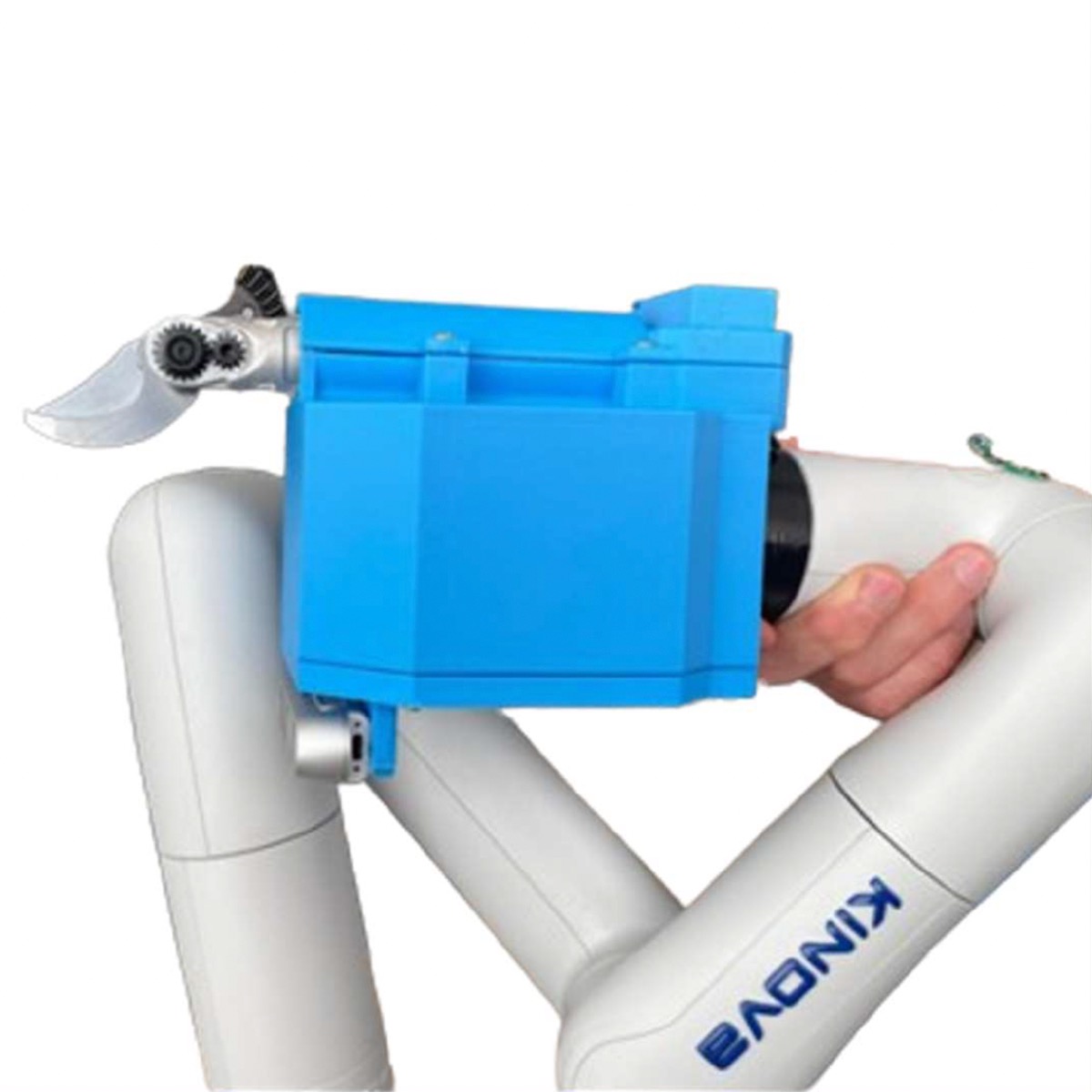
Today, vineyard pruning still relies heavily on skilled human labor. To address this, an increasing number of research initiatives are exploring the transition from traditional manual practices to fully autonomous robotic systems. The VinPRO project contributes to this effort by developing an integrated robotic pruning platform composed of a custom-designed gripper for vineyard environments, an advanced computer vision system to detect branches, a control algorithm to optimize cutting actions, and a virtual reality (VR) tool to model vines and simulate pruning strategies. At its core is a Kinova Gen3 Lite robotic arm, mounted on a mobile rover that serves as the physical backbone of the system.

18th Cycle

BIMChain for Site 4.0

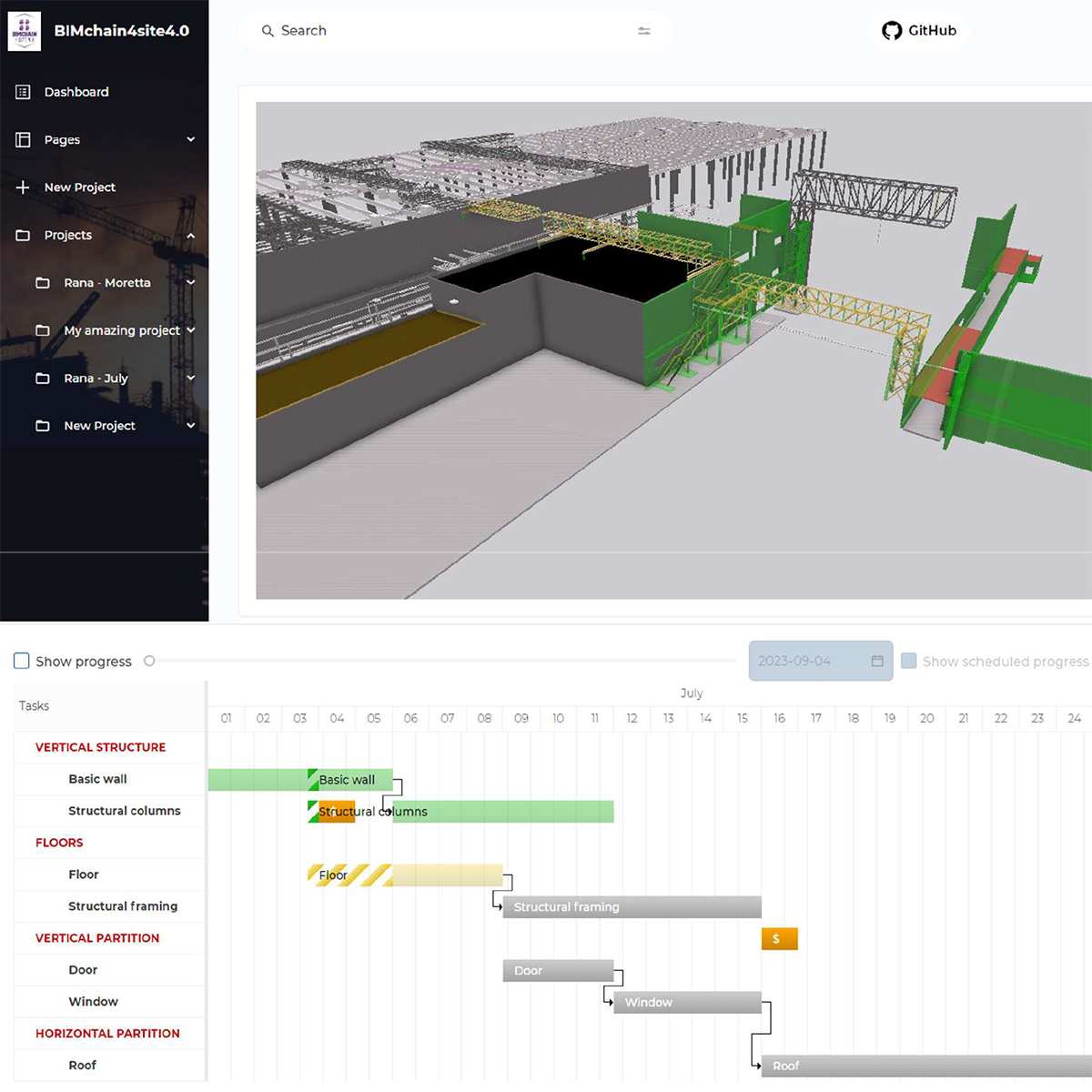
The BIMChain for Site 4.0 project represents a groundbreaking solution, fusing BIM and blockchain technologies to revolutionize communication, transparency and management methods.

18th Cycle

GAP2

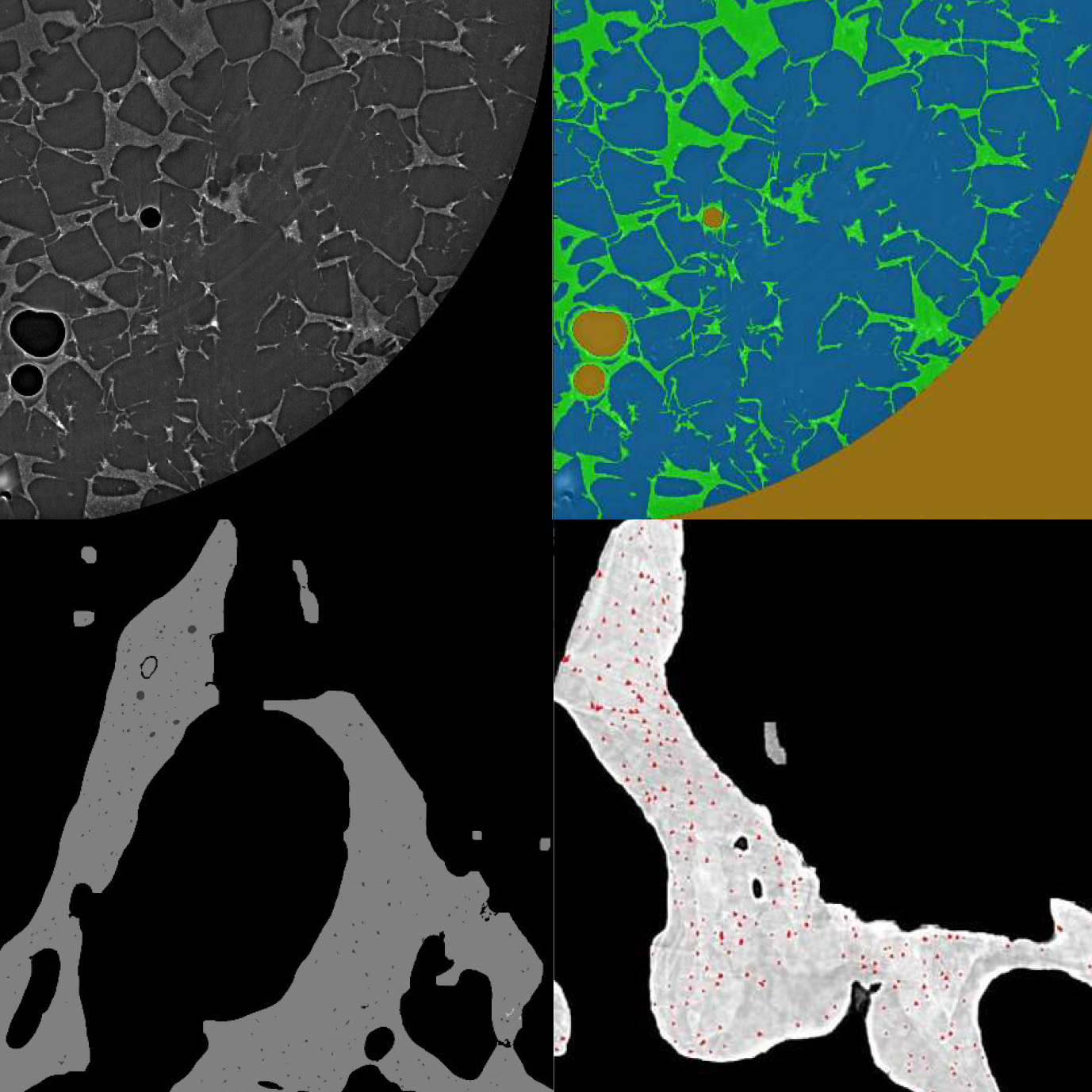
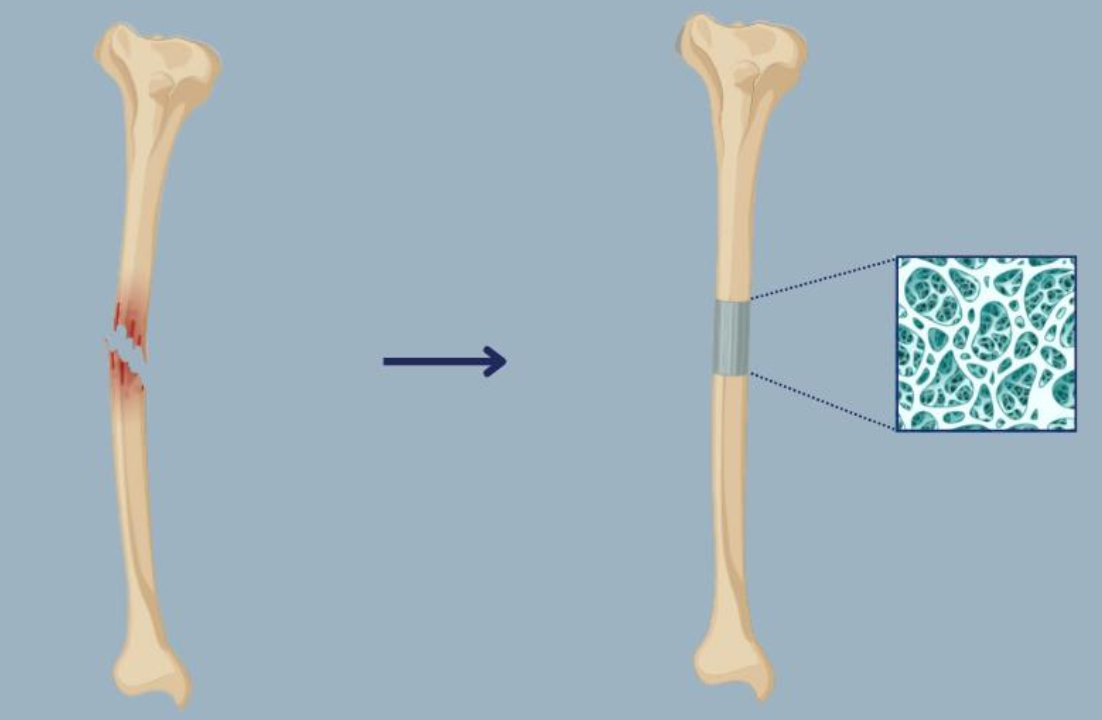
The aim of the project is to face bone fractures crisis adopting a twofold approach, considering both fracture prevention and treatment.

18th Cycle

Sunglasshut.OPCJ

With the digital boom disrupting traditional retail paradigms, Sunglass Hut, part of the Italian-based Luxottica Group, recognized the imperative to adapt to the new trend asking the Alta Scuola Politecnica team to develop a strategy that could seamlessly merge the attributes of both virtual and physical realms, fulfilling the customers’ desires for an encompassing user experiences.

17th Cycle

Heidi

The world is facing a great challenge in transitioning to new, clean energy systems to contrast climate change, while the

Entrepreneurship & Hi-tech start-ups
A2A Life Ventures front image
2025

A2A Life Venture

As the European power grid undergoes a deep transformation driven by the growing electrification of homes and industries, the rise of electric mobility, and the large-scale integration of intermittent renewable energy sources, ensuring grid stability has become increasingly challenging. In many urban areas, energy consumption during peak periods now regularly exceeds the distribution capacity of local grids. Simultaneously, distribution networks are becoming more complex due to the decentralization of electricity generation and the digitalization of infrastructure, particularly at the medium- and low-voltage levels.

GAIAFS FRONT IMAGE
2025

GAIA-FS

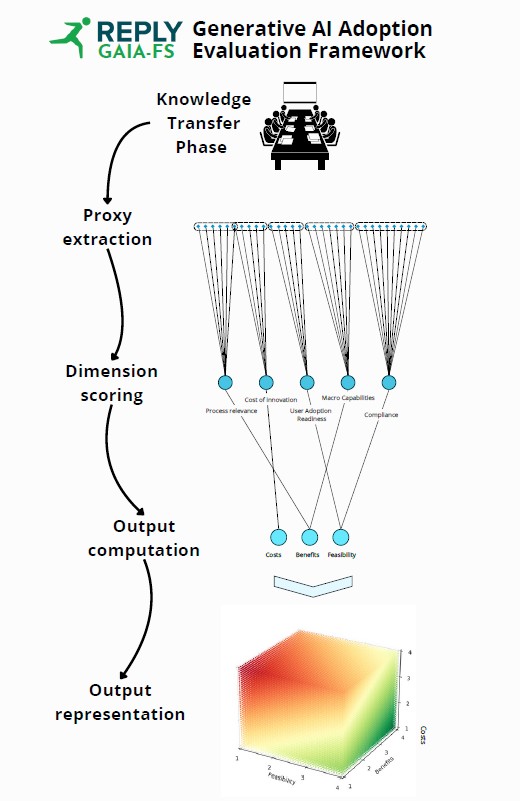
The financial services industry is at a critical inflection point, confronted with both the immense promise of Generative Artificial Intelligence (GenAI) and widespread hesitation around its adoption.
19th Cycle

AISS4SA

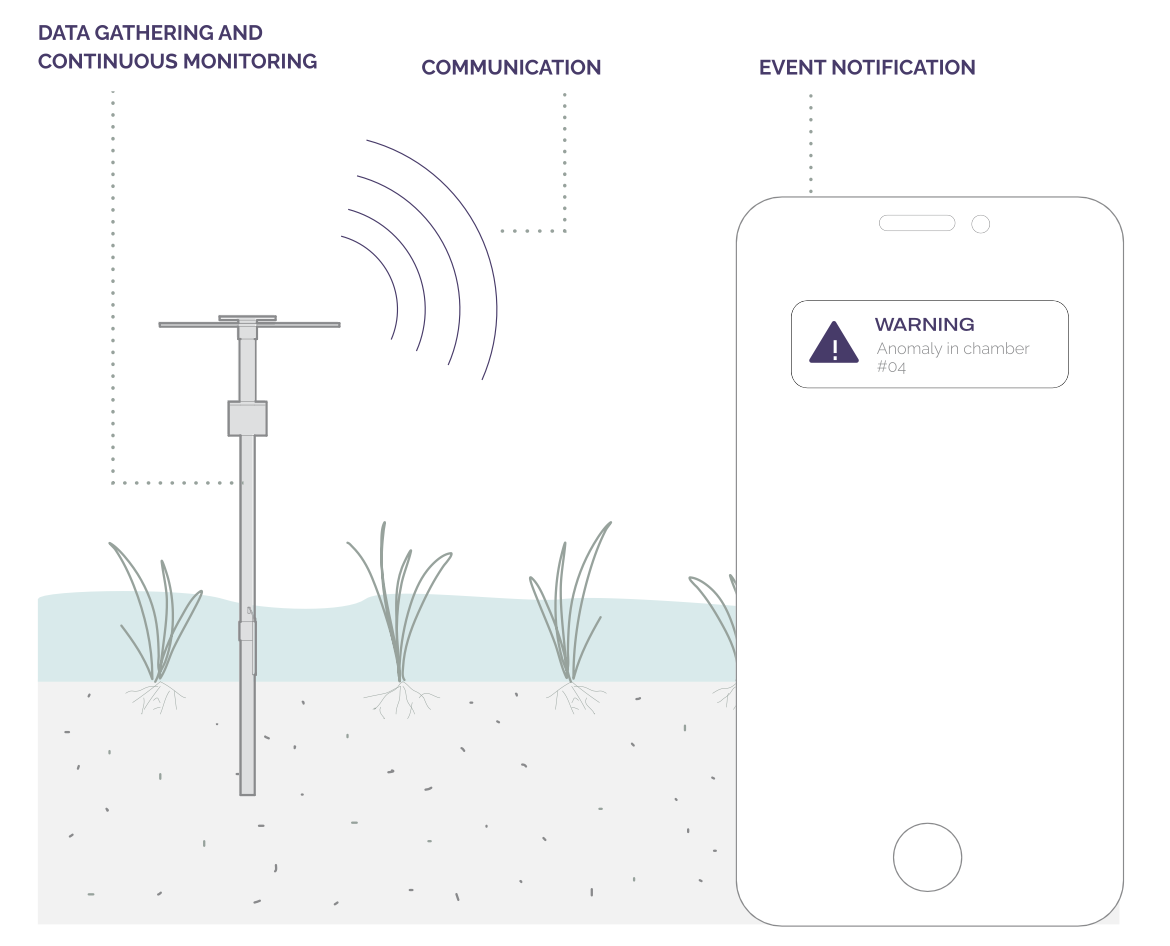
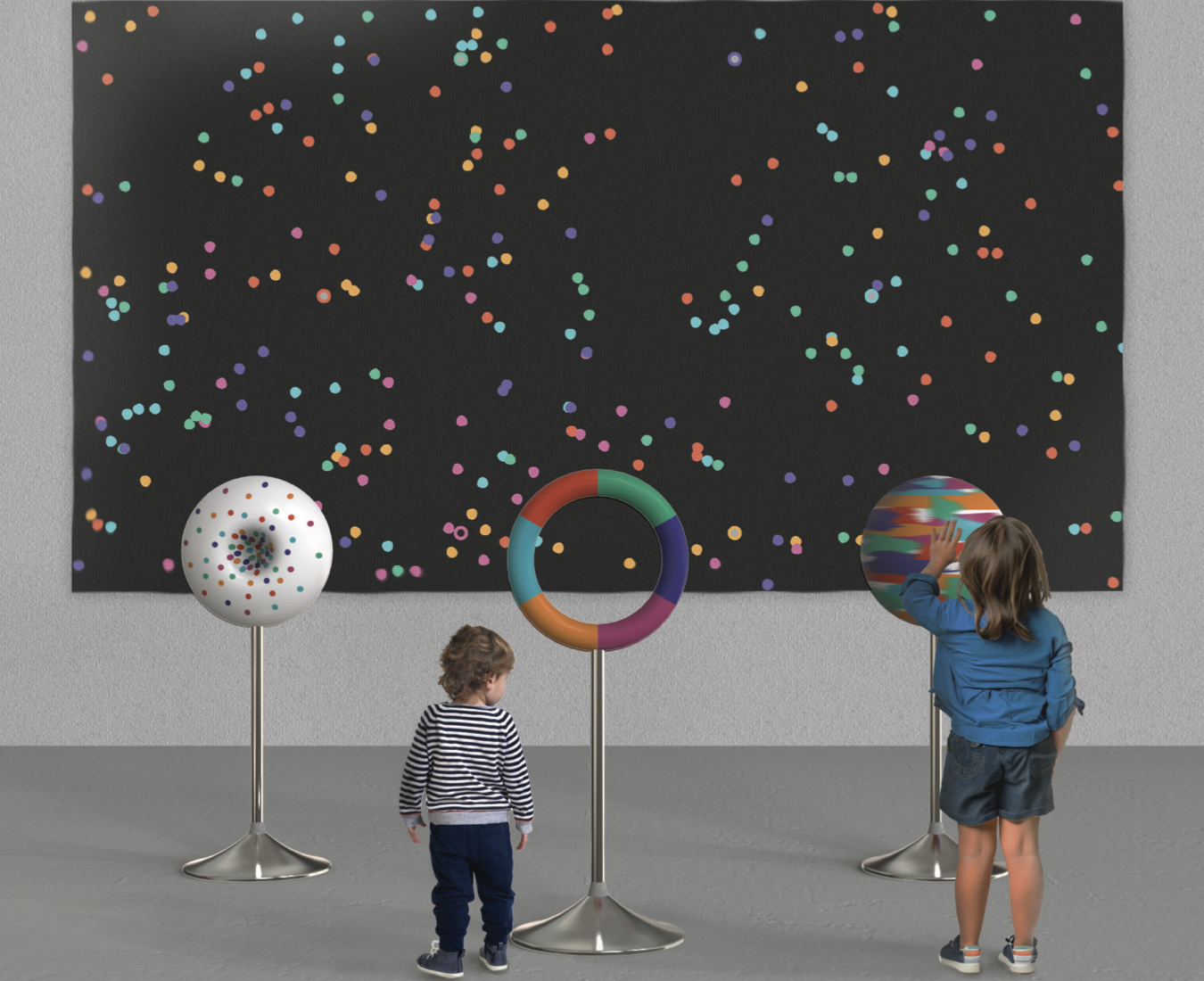
The AISS4SA project aims to optimize water usage by implementing a modular system that monitors water levels in different paddy field chambers.

19th Cycle

AMBROSE

The AMBROSE project aims to address the challenge described above by introducing a modern, integrated, multidisciplinary SHM framework. This system will utilize automated monitoring, a combination of direct and indirect sensing methods, and advanced data analysis to detect structural issues early, enabling predictive maintenance and reducing the need for costly, urgent repairs.

19th Cycle

ARVI

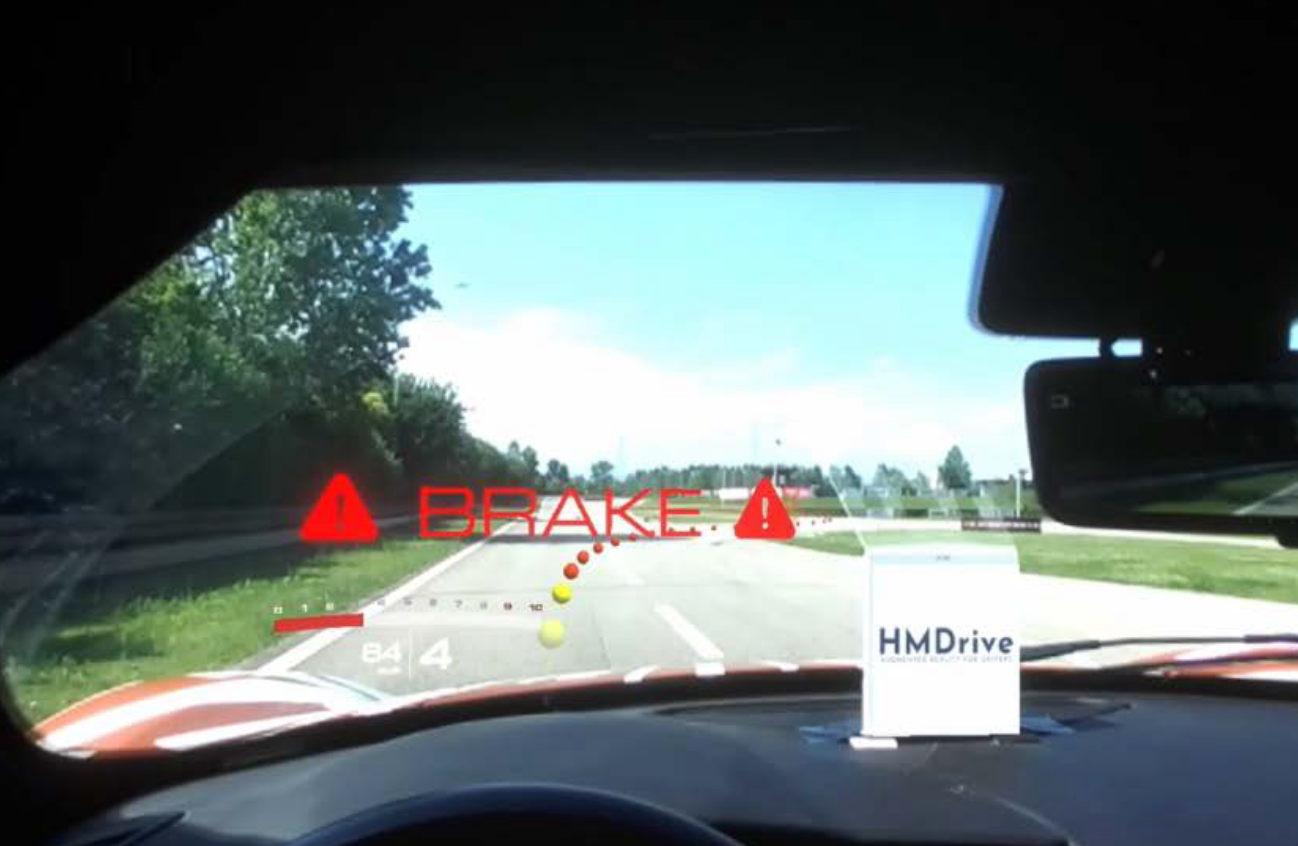
The Augmented Reality Vehicle Interface (ARVI) project main goals are: enjoy a unique experience in a rapidly growing startup, learn by doing & get a working methodology, work on cool stuff, having the freedom to build new things from scratch. The project is designed for students that are willing to be out of their comfort zone, ready for complex tasks and to be hands-on.
19th Cycle

BASTA

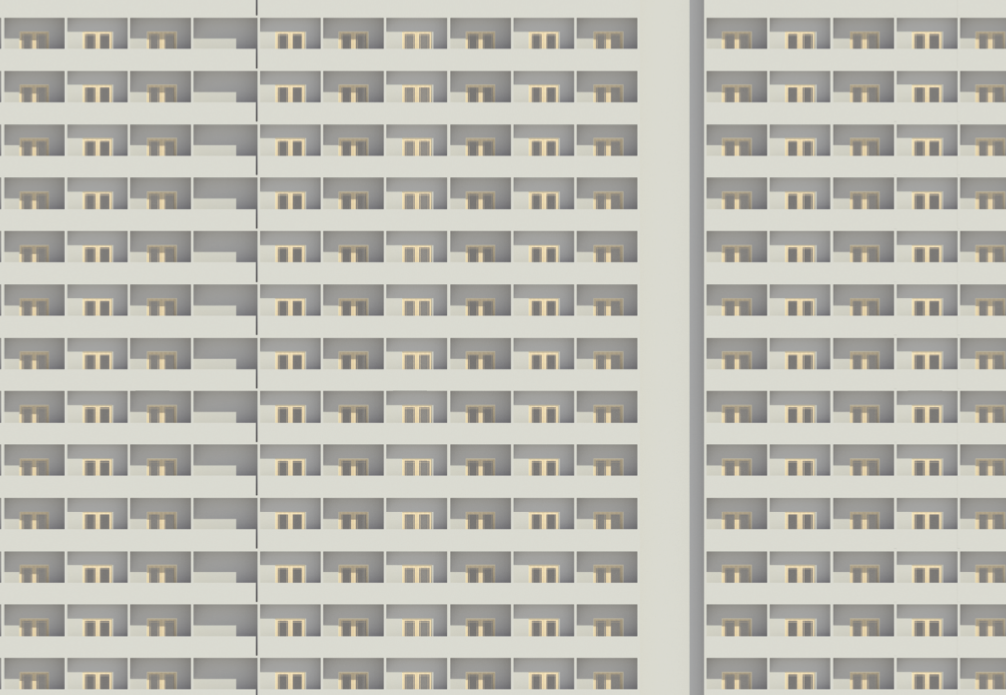
The BASTA (Bio-inspired and Adaptive Strategies to TAckle fragility fractures) project aims to design an advanced bone scaffold, more efficient than existing commercial products.
19th Cycle

C2S – Cruise towards Sustainability

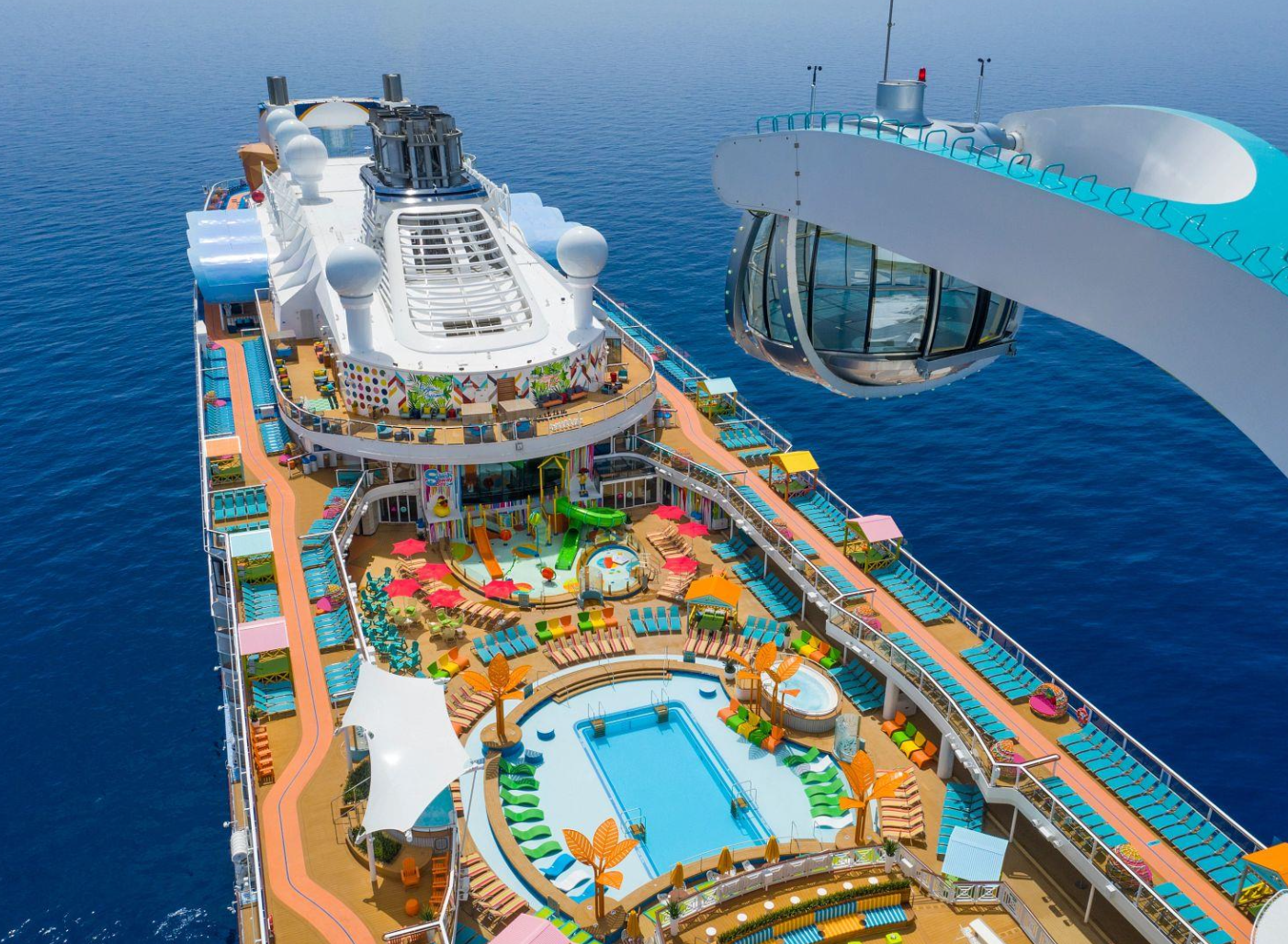
Considering the huge environmental impact of cruise ships, the project aims at detecting solutions for a more sustainable cruising. The latter must also consider the economic interests of the maritime industry, considering first and foremost the welfare of the cruise ship’s customer-passenger.

19th Cycle

ChatIMPACT

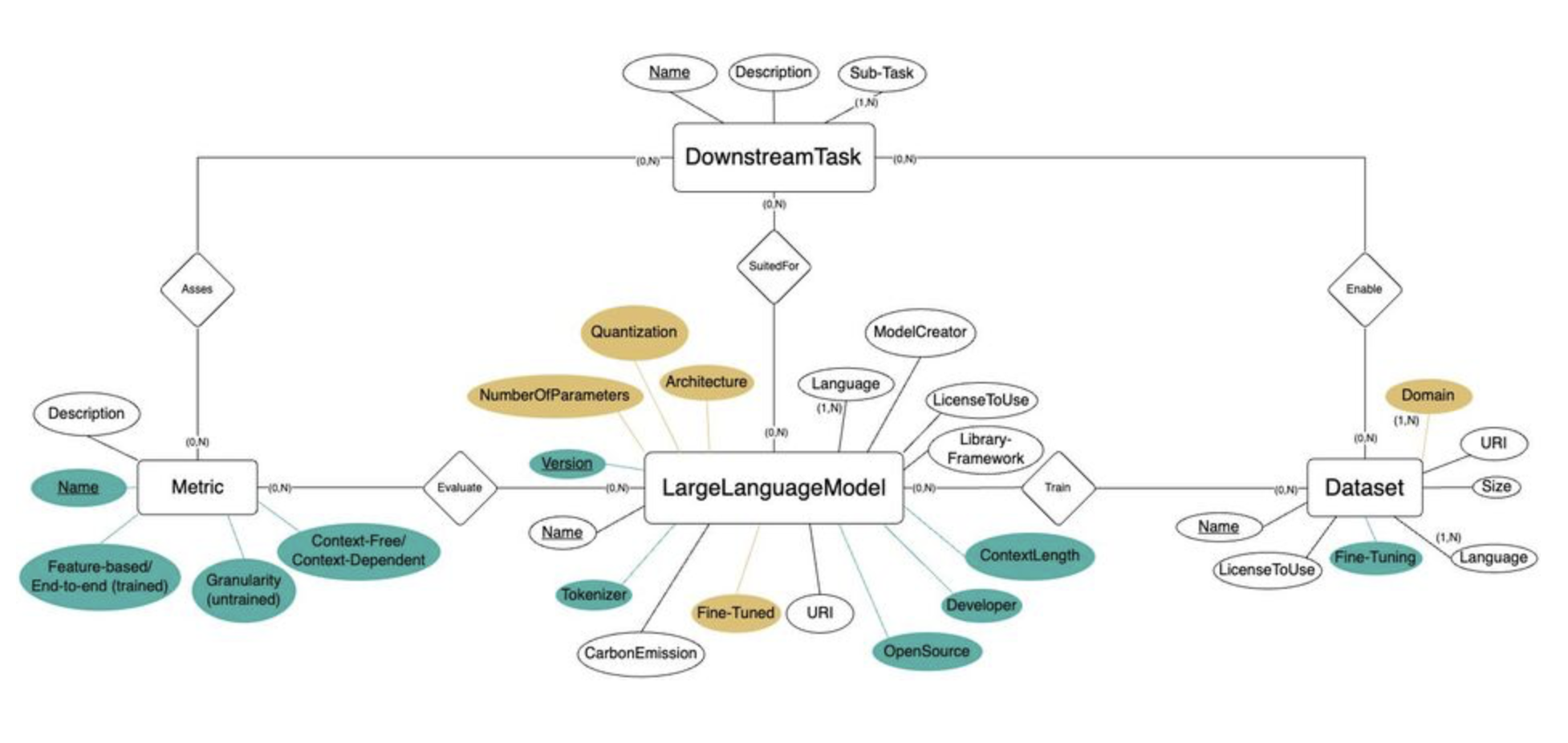
The goal of the chatIMPACT project is to bridge this gap, building a platform that allows users to easily access the knowledge they need in the LLMs domain.

19th Cycle

COSMICA

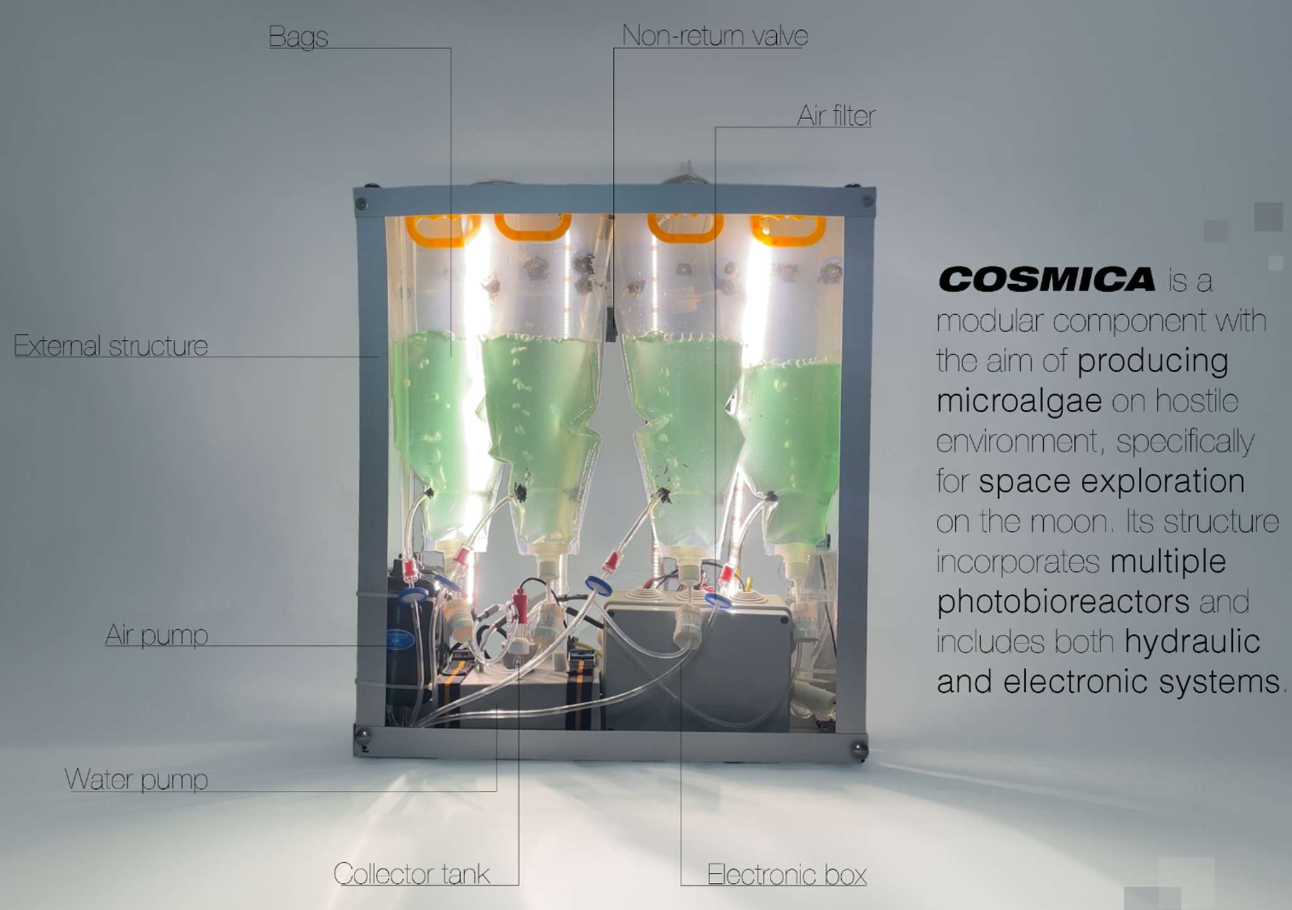
The COSMICA project is developed within the framework of space architecture, embracing a sustainable, circular design approach for future habitats on the Moon or Mars.

19th Cycle

ECTIS

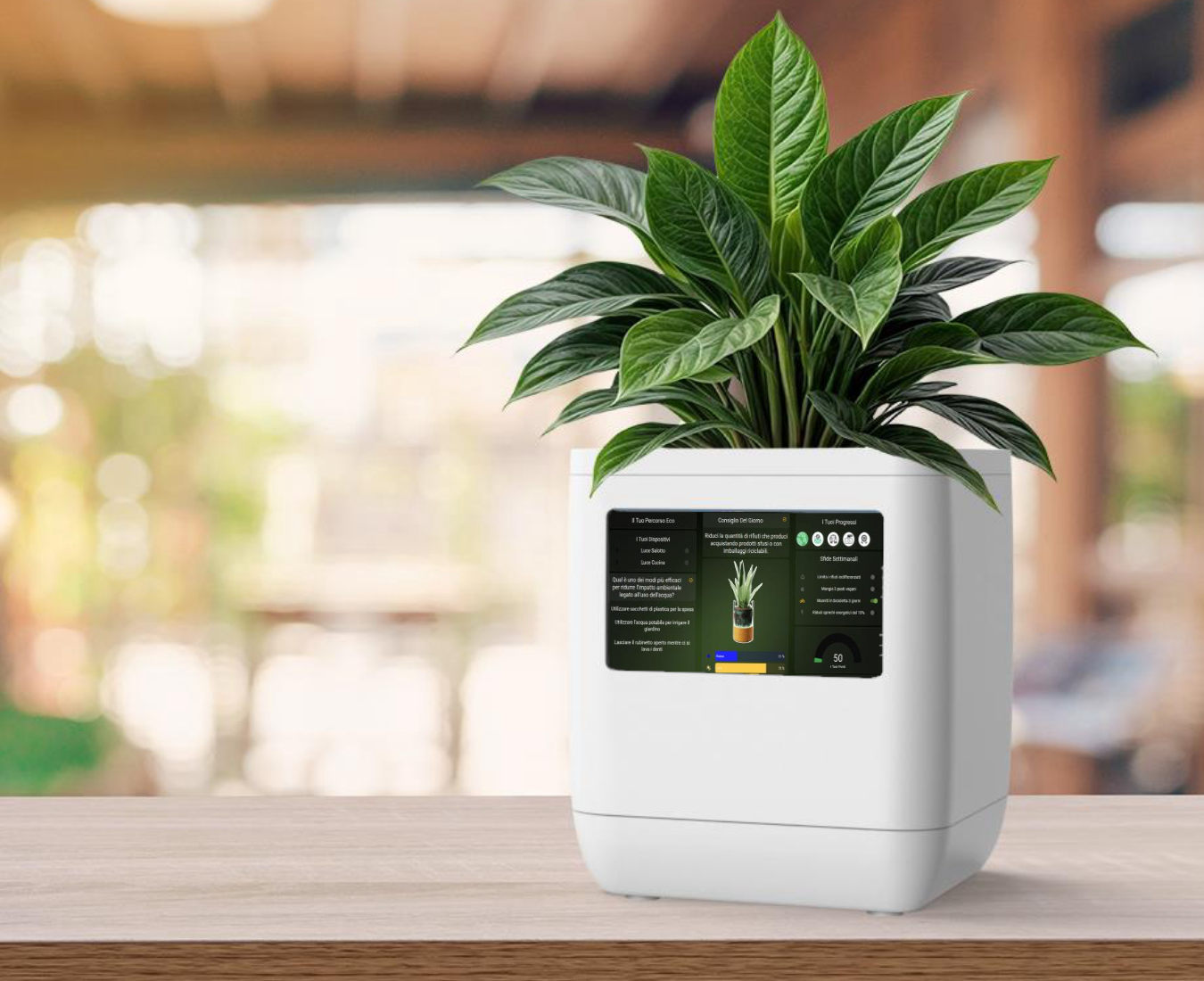
The aim of this project is to explore how the power of generative technologies can support the design of new products or services to help people in a shift toward more environmentally sustainable behaviors

19th Cycle

FutureHome

The FutureHome project aims to revolutionize the smart home market by developing an innovative business model and digital platform that allows users with low expertise level in automation in implementing their smart solution. FutureHome will offer a fair and objective comparison among different smart home devices and suggestion tailored to costumers’ needs. The prominent goal is optimizing energy consumption, promoting significant economic savings, and ultimately improving the overall quality of life for its users.

19th Cycle

Quarkk: a decentralized recording label

Fans can invest directly in their favorite artists’ music production (or other activities), receiving a return based on their success. This model allows emerging artists to self-finance without long-term, often unfair, contracts with labels, and enables established artists to fund new or independent projects with direct support from their fanbase. Quarkk’s goal is to provide artists a space for expressing themselves freely and financing their projects with direct support from their fans.

Social impact & Engagement
MI AMI BEATs FRONT IMAGE
2025

MI AMI BEATs

The MI AMI BEATs project, developed within the Alta Scuola Politecnica program and in collaboration with MI AMI Festival organizers in Milan, addresses the challenge of designing a transparent, accessible, and data-driven sustainability evaluation framework for music festivals. It aims to bridge the gap between rising environmental expectations and the lack of standardized tools for sustainability assessment in the music industry.

H4A FRONT IMAGE
2025

H4A

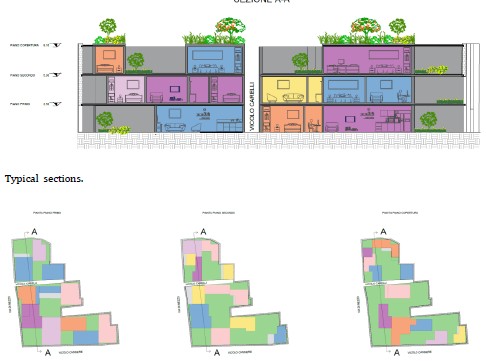
The ISOLAx project is an innovative urban regeneration initiative designed to tackle the intertwined issues of housing inadequacy, social fragmentation, and economic decline in Taranto’s historic Old City, an area plagued by vacant buildings and precarious living conditions.

REClyced Pavillon - front image
2025

RECycled Pavillon

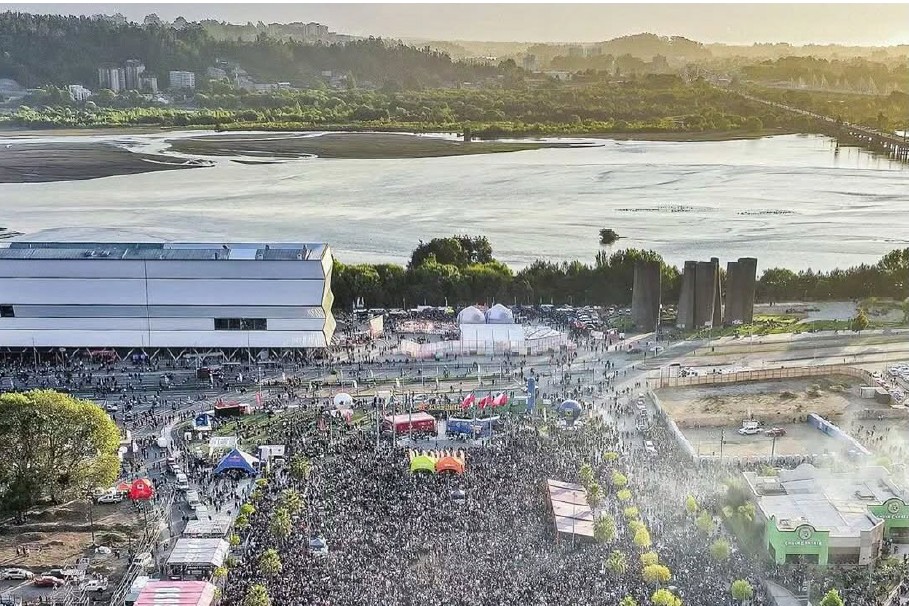
RECycled Pavilion is a temporary architectural installation realized in the city of Concepción (Chile) as part of the 10th anniversary of the largest free music festival in the country, REC Festival. The project was developed by an international team of students and teachers from the Alta Scuola Politecnica in collaboration with the Universidad del Desarrollo (UDD, Chile) and was realized in March 2025.

19th Cycle

FoSCHe

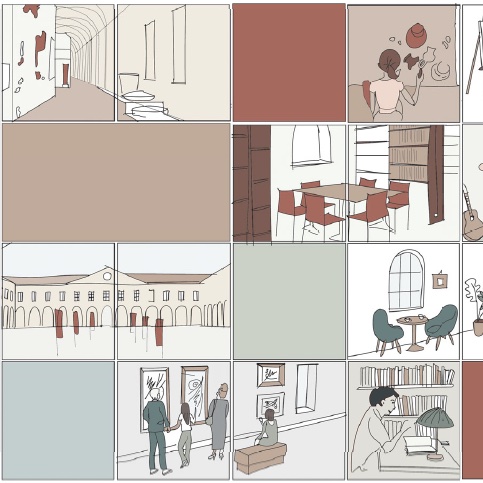
The FoSCHe project represents an innovative advancement in the field Children’s Palliative Care, by proposing to integrate a design-driven methodology in such a delicate healthcare environment. At the core of this initiative is the Liber- meta-design framework, which serves as a comprehensive tool for developing innovative and inclusive design projects: it emphasizes a holistic approach, addressing the emotional, psychological, social, and spiritual needs of children and their families, trying to promote human connections and interpersonal relationships.

19th Cycle

ZeCRoCo: Zero Carbon Roadmap for Concrete

The ZeCRoCo project aims to enhance the environmental sustainability of a 28-storey social housing building by focusing on two main areas: reduction of Embodied Carbon and reduction of Operational Carbon.

18th Cycle

AQUA

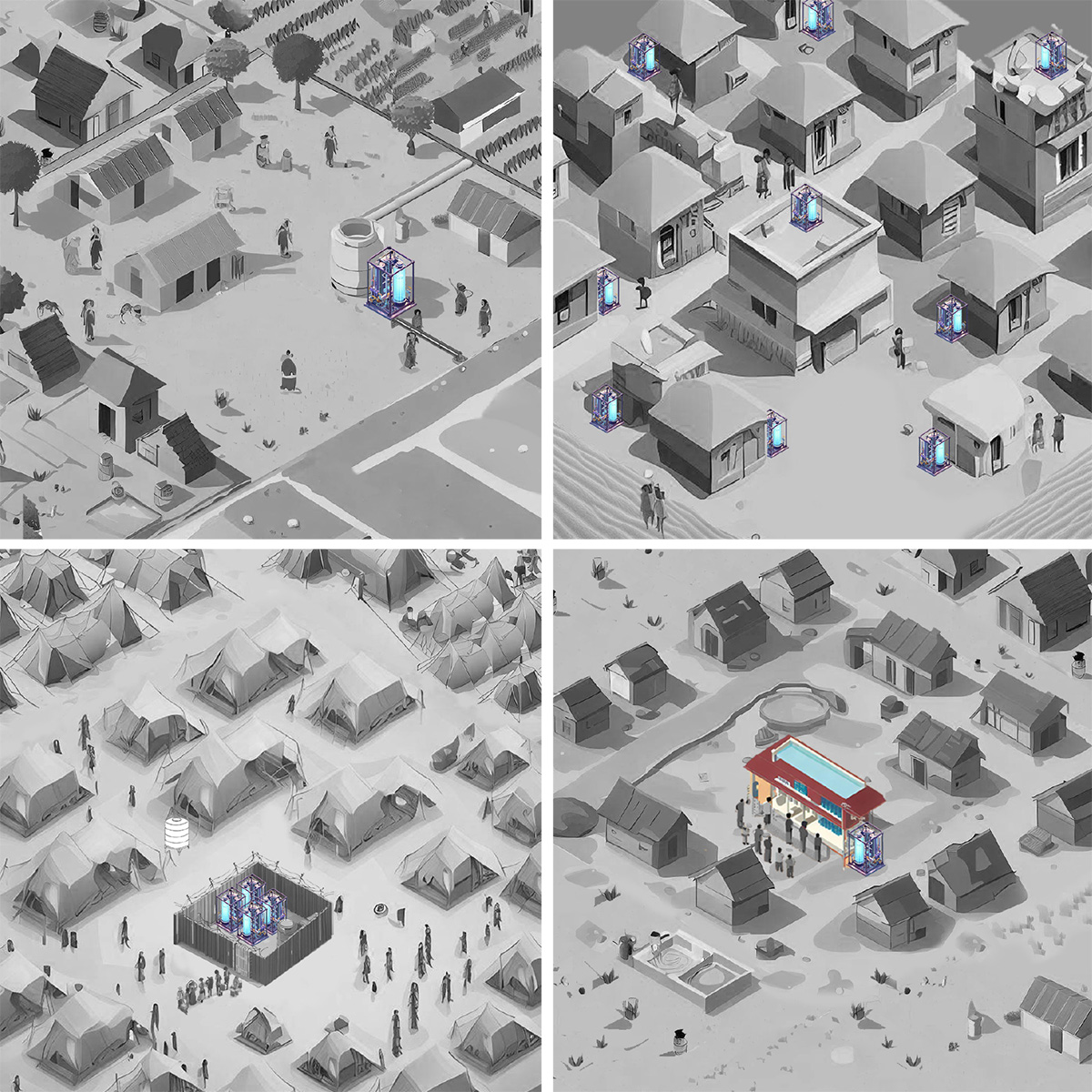
The AQUA project aims to create a set of guidelines for Aquaseek to enter the humanitarian water market.

18th Cycle

S2CITIES

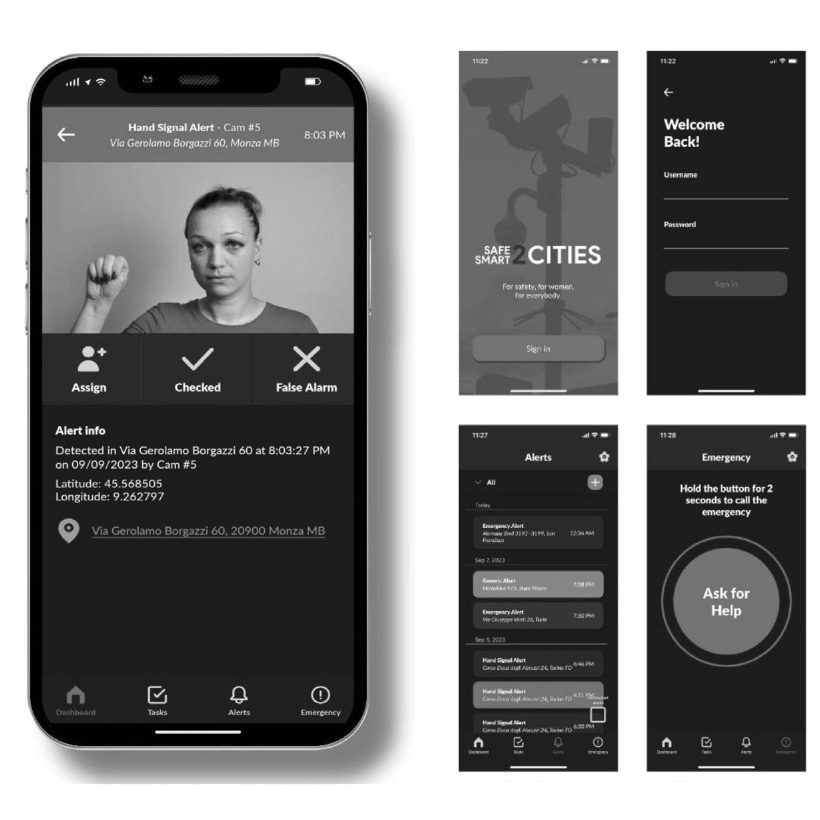
In the wake of increasing incidents of violence against women, the ‘Signal for Help’ (SFH) has surfaced as an invaluable silent beacon. Developed as a discrete hand gesture for women under duress to indicate their plight, its importance became even more pronounced during the pandemic when virtual communication surged. The S2CITIES project seeks to amplify the efficacy of this signal through technology.