


ASP projects

Students participate to multidisciplinary projects, focusing on real and relevant problems, proposed as a collaboration between universities and external institutions (i.e., firms, governmental or research institutions).

Project teams consist of 7/8 students from different schools and are therefore intrinsically multidisciplinary. Each project team is assisted by tutors with a multifaceted background, selected among the Faculty of Politecnico di Milano and Politecnico di Torino as well as among experts of the proposing external institutions. Tutors advice students and periodically review their intermediate results.

Teams are provided with funds that allow them to make study trips, attend conferences, buy books and materials to help develop the project. The project plan and budget is defined by the team and agreed with the tutors.

Projects are focused on four “problem-based learning” tracks:

Industry & Innovation

These projects are based on investigating innovation opportunities in a variety of industries. As an example, they can try to identify the benefits at company level of the new technologies available in the market.

Academic research

These projects are based on creating and furthering knowledge for companies, public and private institutions for structuring and solving complex problems.

Entrepreneurship
& Hi-tech start-ups

These projects are based on investigating entrepreneurial opportunities with a particular focus on hi-tech start-ups. These projects try to analyse the scenario of high-tech start-ups and evaluate their impacts at different levels.

Social impact & Engagement

These projects have the aim of understanding potential positive changes that an organization can implement to address a pressing social issue and favouring people engagement for social and community development.

For more information, please write an email to projects@asp-poli.it.

The results of the projects from the 1st to the 15th ASP cycle are reunited and published in books that can be downloaded here.

Last ASP projects

Industry & Innovation

AVIWC FRONT IMAGE
2025

AVIWC

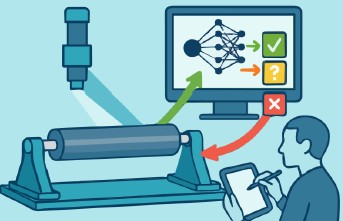
The inspection of aerospace components coated with HVOF tungsten carbide is currently performed manually at Collins Aerospace. These cylindrical rods, used in landing gear and actuators, must be free of defects such as scratches, cracks, or porosity, since any flaw can compromise mechanical strength. However, manual inspection is slow, costly, operator-dependent, and lacks digital traceability, making it unsustainable as demand and certification requirements increase.

ElectroOptimize Image
2025

ElectroOptimize

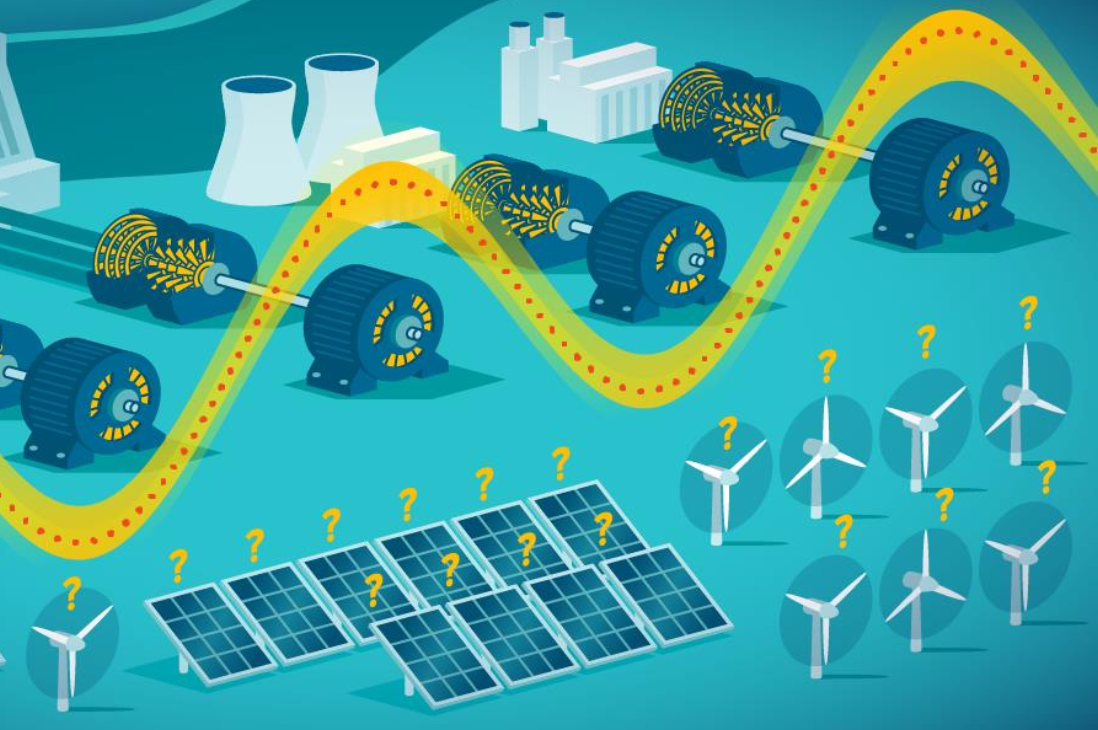
The rapid growth of electric vehicles (EVs) presents both significant issues and opportunities for the management of electricity grids. Renewable energy, for example from wind and solar, is intermittent, often generating mismatches between supply and demand that threaten system stability. At the same time, EVs spend most of their lifetime parked, leaving their batteries largely idle. This situation highlights the main issue: while the grid struggles with volatility, a vast distributed storage resource remains unexploited. Aggregating EVs into Virtual Power Plants (VPPs), digital platforms that manage distributed resources as a single energy unit, can transform this idle capacity into a valuable source of flexibility for the power system.

KADEL front image
2025

KADEL

The rise of high-performance electric SUVs creates new tyre challenges: higher torque, battery weight, and the need for durability, grip, efficiency, and sustainability. Michelin responded with Project KADEL, aiming to design tyres optimized for EVs without compromising safety.

lean packaging fron image
2025

Lean Packaging

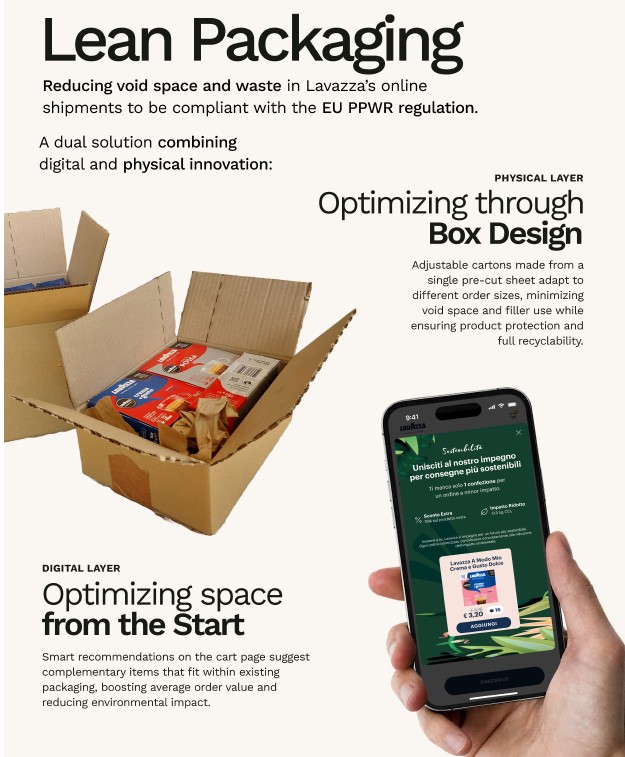
Lean Packaging is a project developed in collaboration with the coffee company Lavazza, aiming to cut void space and waste in e-commerce shipments without sacrificing product protection, costs, or customer choice. It targets compliance with the EU Packaging and Packaging Waste Regulation (PPWR), which from 2030 caps unused volume per parcel at 40%. Lavazza’s baseline is ∼ 31.3% fill (∼ 68.7% empty), showing a clear gap.

METAVENT FRONT IMAGE
2025

METAVENT

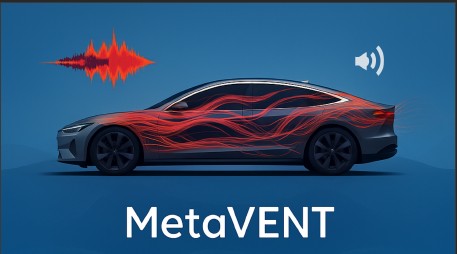
The MetaVENT project addresses the pressing challenge of reducing low-frequency noise generated by Heating, Ventilation and Air Conditioning (HVAC) systems in modern vehicles. In conventional cars,
engine noise partially masks the sound of HVAC units; however, in electric vehicles this masking effect is absent, making HVAC noise a more dominant and disturbing contributor to the acoustic environment of the cabin. Traditional noise control solutions, such as foams and liners, become ineffective below 1000 Hz unless significant thicknesses (often greater than 50 mm) are used, which are incompatible with the limited space available in automotive ducts.

MOSE2030 FRONT IMAGE
2025

MOSE2030

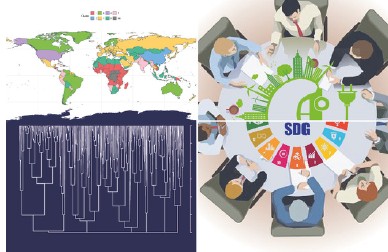
The MOSE2030 project, developed with Stellantis, delivers a datadriven and adaptable methodology to guide mobility strategies across global markets. Its core aim is to help Stellantis identify the most viable countries for entry by aligning infrastructure, environment, culture, and technology with business goals. The urgency is clear: by 2030, more than 8.5 billion people will live on the planet, with rapid
urbanization straining transport systems, driving emissions, and intensifying inequality. For automotive leaders, success depends on acting quickly with strategies tailored to local realities.

PHOENIX FRONT IMAGE
2025

PHOENIX

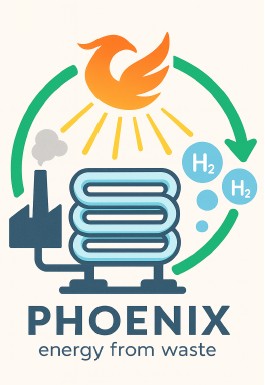
Hydrogen is emerging as the future of renewable fuels, with various technologies for its production under development. Upon alternative solutions, photocatalysis stands for its unique potentialities: reduced electric energy consumption, simple and robust reactors. Moreover, green hydrogen production is combined with purification of industrial wastewater, making this technology doubly appealing.

RA.RE3 front image
2025

Ra.Re³

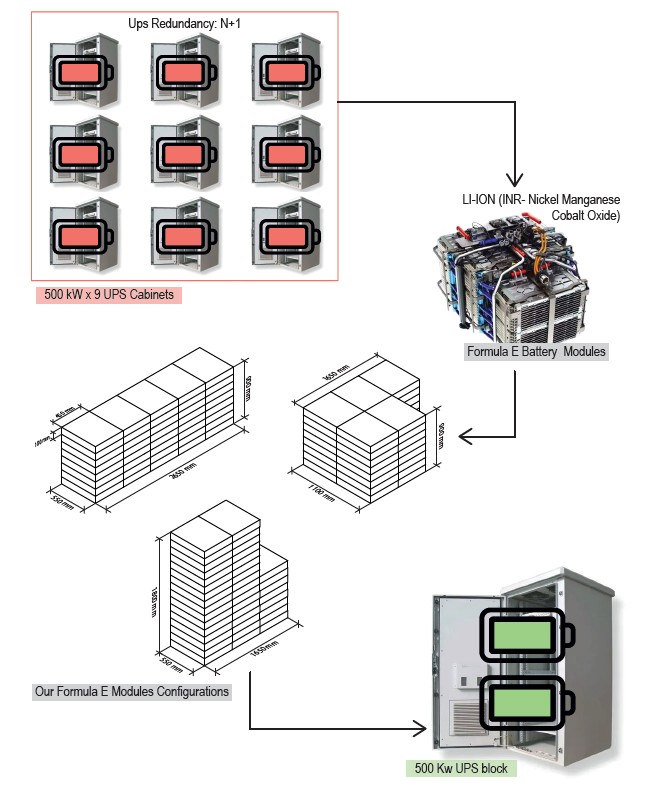
Ra.Re³ is a research initiative exploring the repurposing of second-life lithium-ion (Li-ion) batteries originally used in Formula E electric vehicles (EVs) for stationary energy storage applications. By extending their operational life, the project contributes to United Nations (UN) Sustainable Development Goals (SDGs), including affordable and clean energy (SDG 7), industry innovation (SDG 9), responsible consumption (SDG 12), and climate action (SDG 13).

RECAME Stone front image
2025

RE-CAME STONE

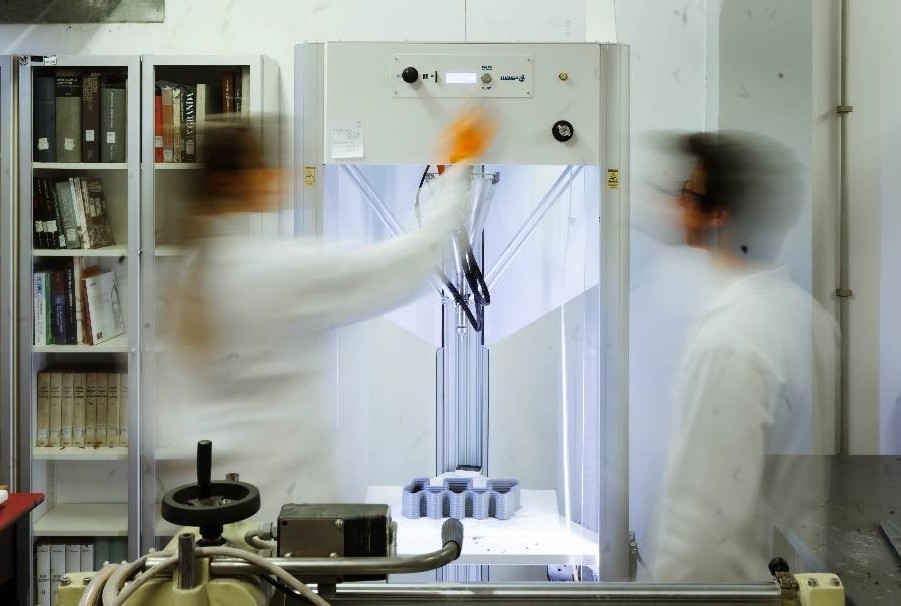
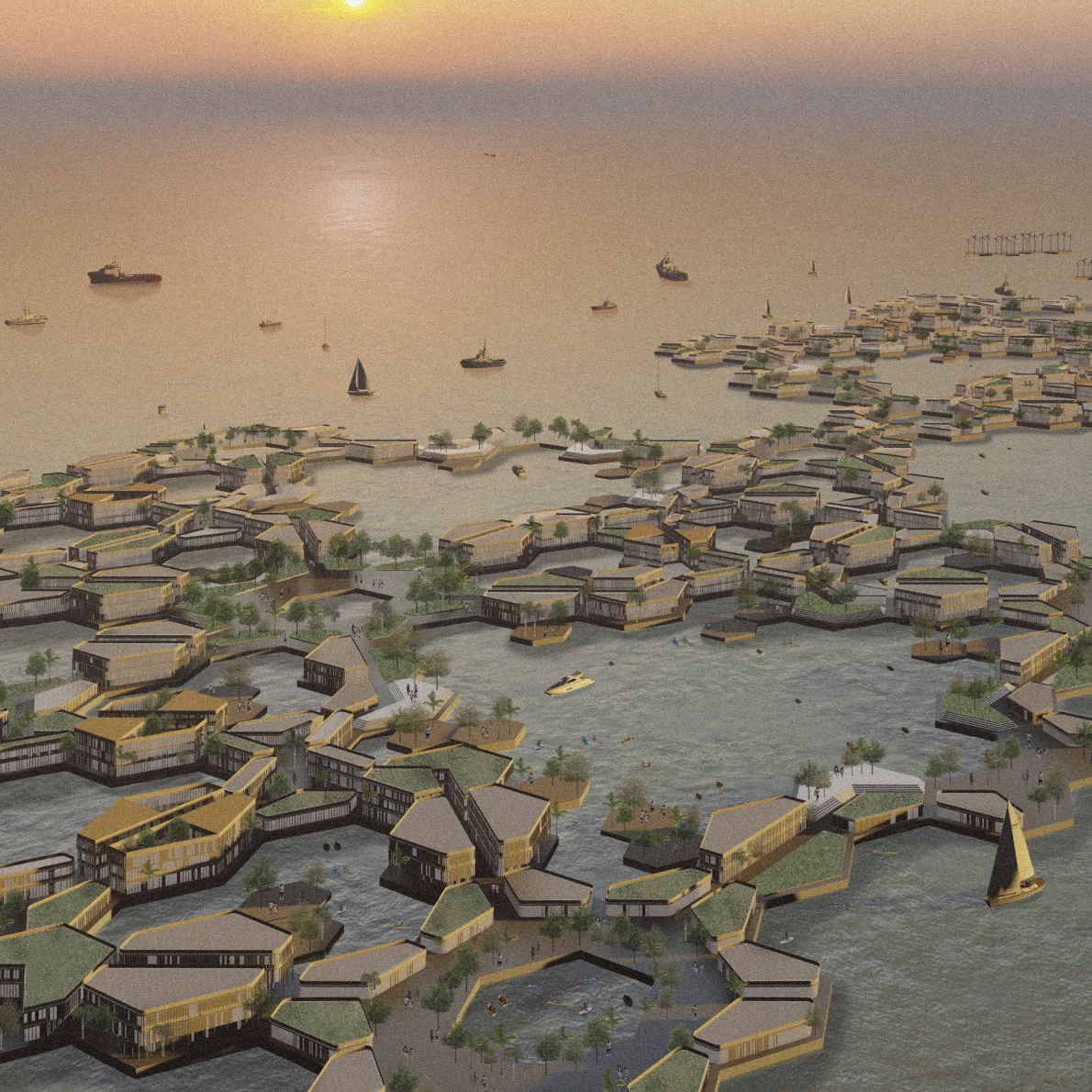
The construction industry alone accounts for 37% of global CO2 emissions, with cement production alone accounting for 8%. It is essential to propose a sustainable alternative capable of reducing the impact of this hard-to-abate sector. The Re-Came Stone project proposes an innovative solution: taking waste from stone cutting industry and transforming it into a building component through additive manufacturing (AM)

U-Deck front image
2025

U-Deck

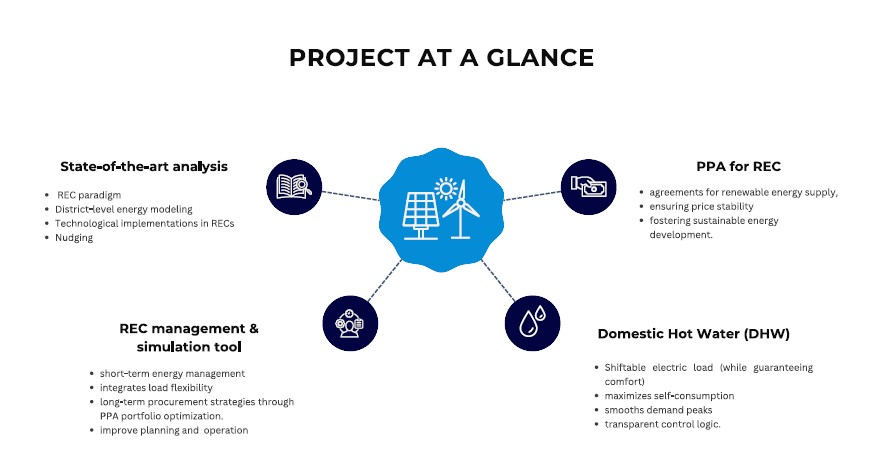
Urban areas, due to their high population density, intensive infrastructure, and concentrated economic activities, are responsible for approximately 70% of global greenhouse gas (GHG) emissions and consume around 65% of the world’s total energy. In this context, Renewable Energy Communities (RECs) have emerged as an innovative and decentralize solution capable of reducing the environmental impact of cities by enabling local production, consumption, and sharing of clean energy.

19th Cycle

AI-STABLEPOWER

AI-STABLEPOWER aims at developing methodologies for the analysis of power system stability by means of state-of-the-art artificial intelligence (AI) techniques. Indeed, monitoring stability is a major concern for Transmission System Operators (TSOs), as the ongoing displacement of conventional generators by renewable generation technologies has reduced system inertia, thus affecting system stability.

19th Cycle

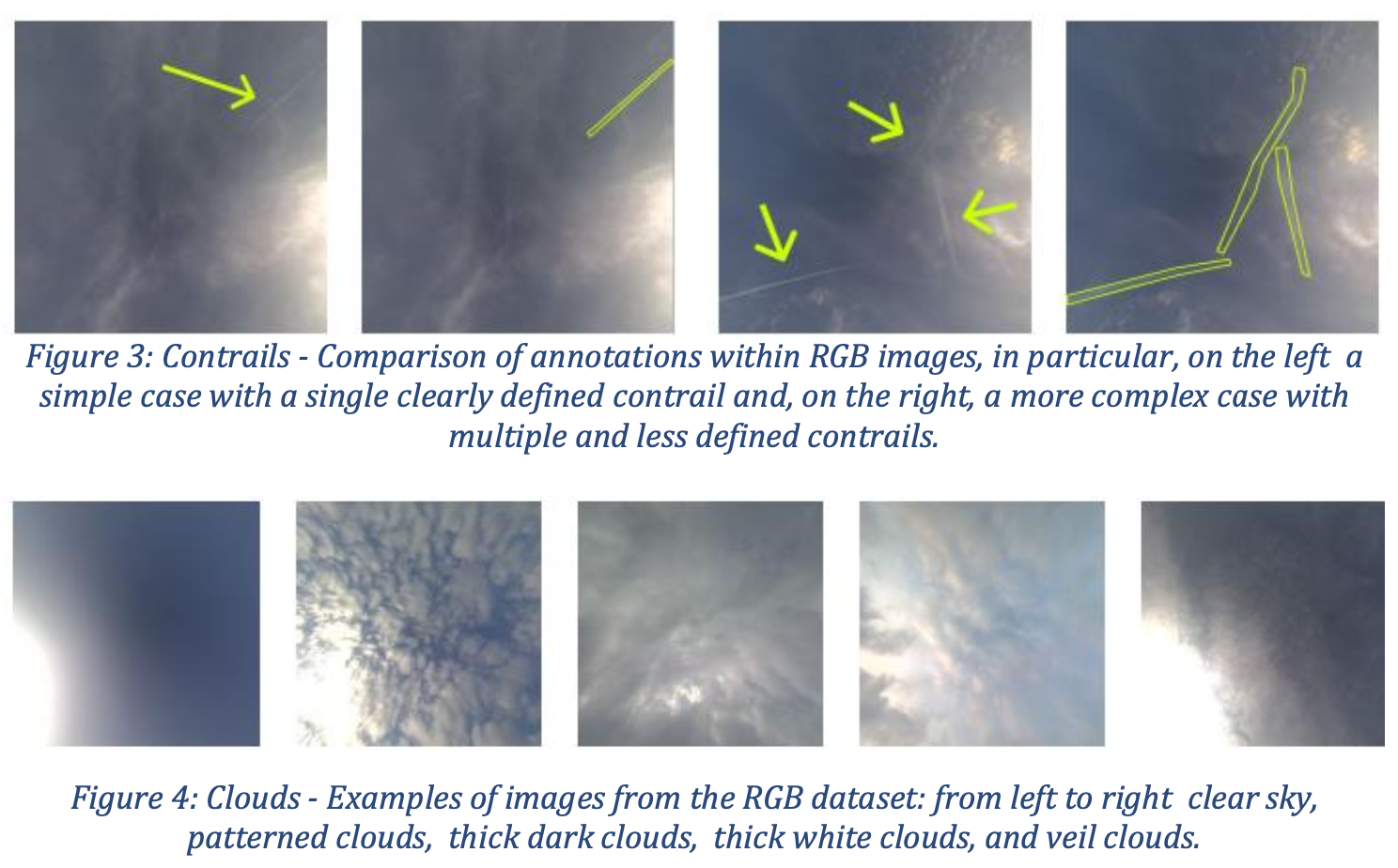
ASCloud – TC: All Sky Camera Cloud Type Classifier

The project aims to research, develop and implement a highly accurate 24/7 cloud-type classification system (CTCS). This classification system uses two advanced all-sky smart cameras that capture images in both visible and infrared domains, enabling accurate sky coverage classification. Smart all-sky cameras sensors refine and improve data collections and incorporate numerous measures to ensure a consistent data flow and minimize classification errors.

Academic research

Entrepreneurship & Hi-tech start-ups
18th Cycle

OASIS

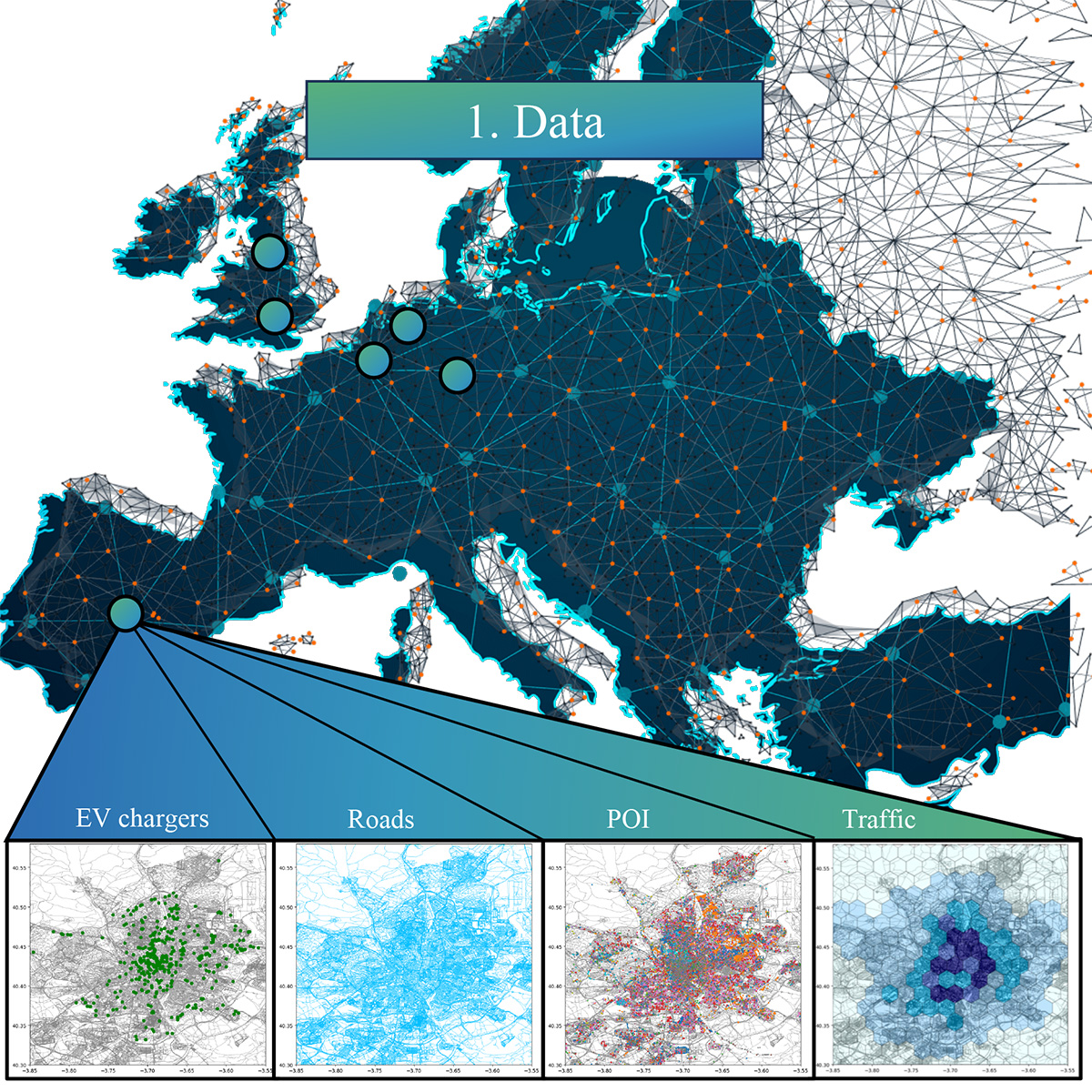
OASIS: Optimal Allocation and Sizing of Infrastructure for charging electric
vehicle basing on predictive Simulations.

18th Cycle

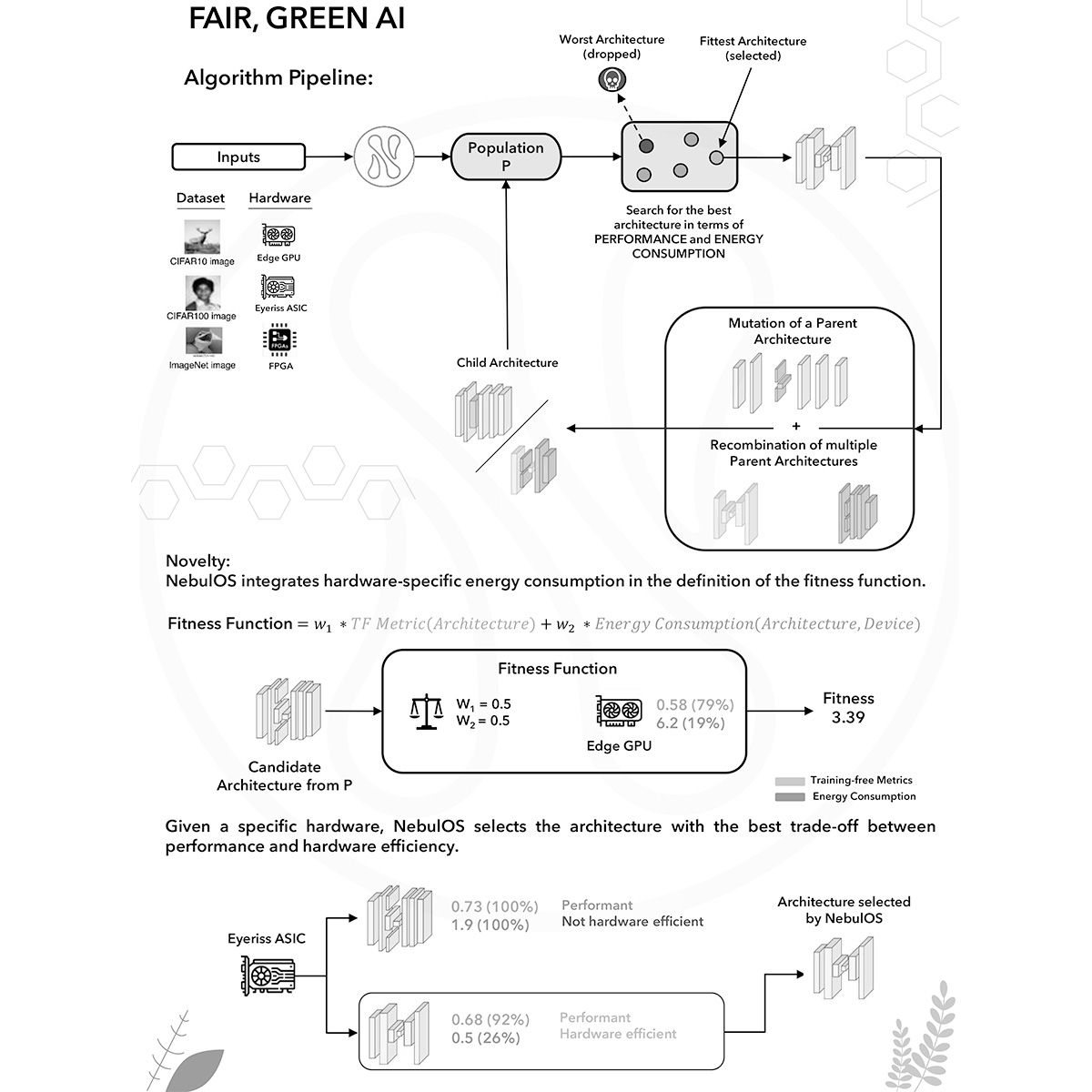
NebulOS

Unlike traditional methods that search for the best model only considering the performance on the downstream task, NebulOS also takes into the energy consumption when training a model on a specific hardware, producing tailored designs on a variety of different devices. This ensures that the final model aligns with the end-user’s unique needs, resources, and preferences. 

17th Cycle

SoCo – Social commerce in P&G

Social media has set the stage to a complex, quickly changing and hyper-connected environment in which people interact with each

17th Cycle

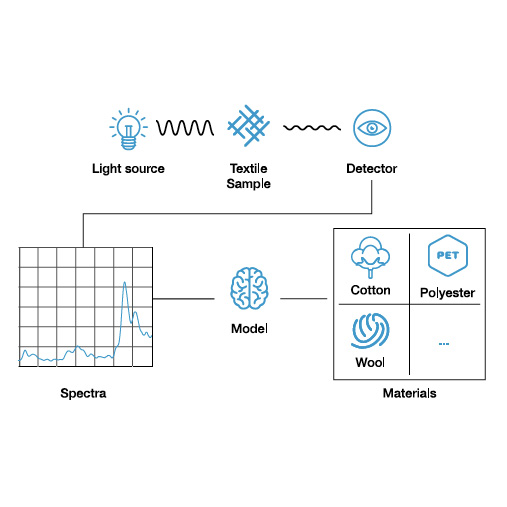
TESNIR

Nowadays, the textile industry has a massive environmental impact, involving depletion of resources in the production of garments and a

Social impact & Engagement
MI AMI BEATs FRONT IMAGE
2025

MI AMI BEATs

The MI AMI BEATs project, developed within the Alta Scuola Politecnica program and in collaboration with MI AMI Festival organizers in Milan, addresses the challenge of designing a transparent, accessible, and data-driven sustainability evaluation framework for music festivals. It aims to bridge the gap between rising environmental expectations and the lack of standardized tools for sustainability assessment in the music industry.

H4A FRONT IMAGE
2025

H4A

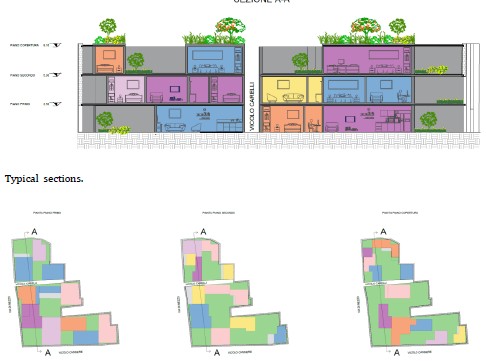
The ISOLAx project is an innovative urban regeneration initiative designed to tackle the intertwined issues of housing inadequacy, social fragmentation, and economic decline in Taranto’s historic Old City, an area plagued by vacant buildings and precarious living conditions.

REClyced Pavillon - front image
2025

RECycled Pavillon

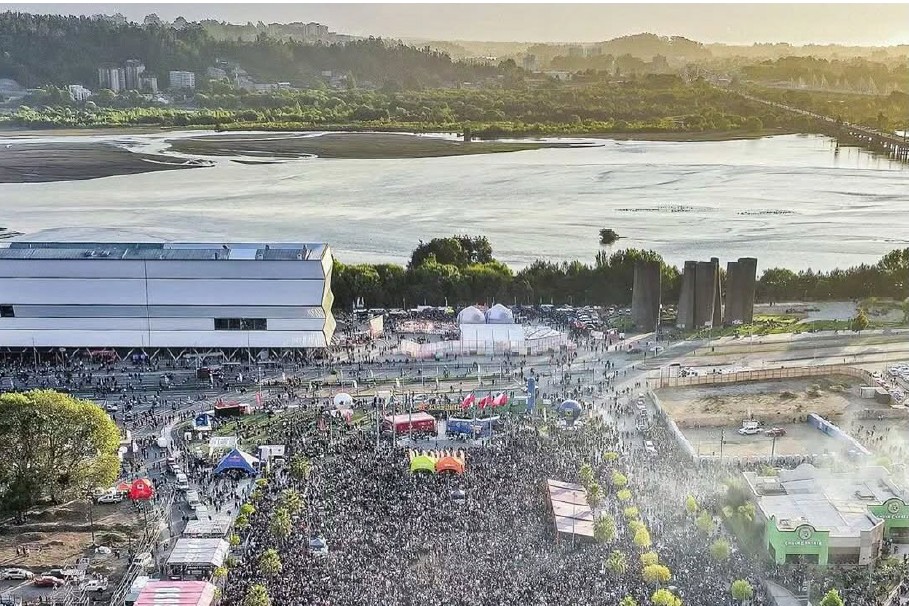
RECycled Pavilion is a temporary architectural installation realized in the city of Concepción (Chile) as part of the 10th anniversary of the largest free music festival in the country, REC Festival. The project was developed by an international team of students and teachers from the Alta Scuola Politecnica in collaboration with the Universidad del Desarrollo (UDD, Chile) and was realized in March 2025.

19th Cycle

FoSCHe

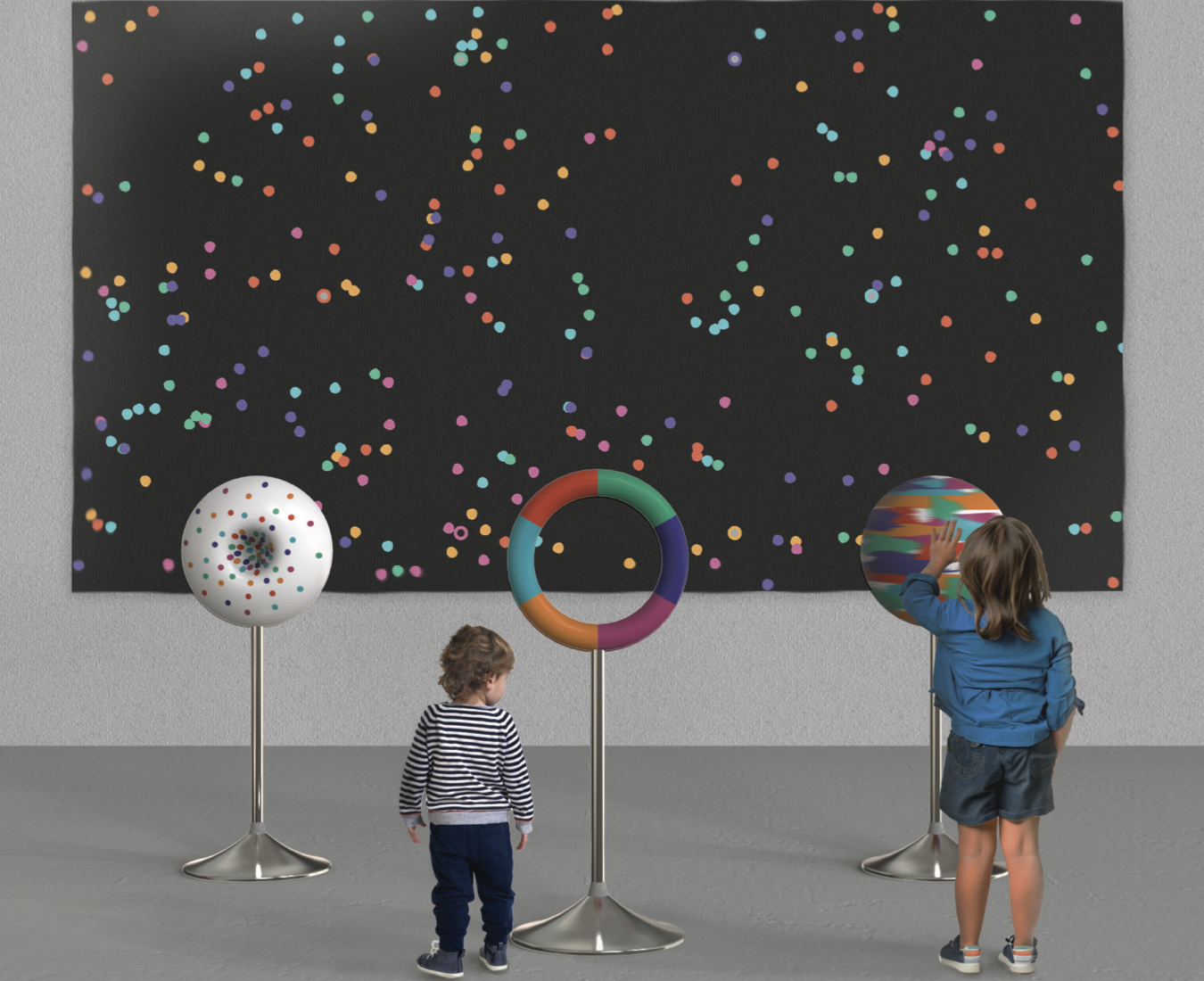
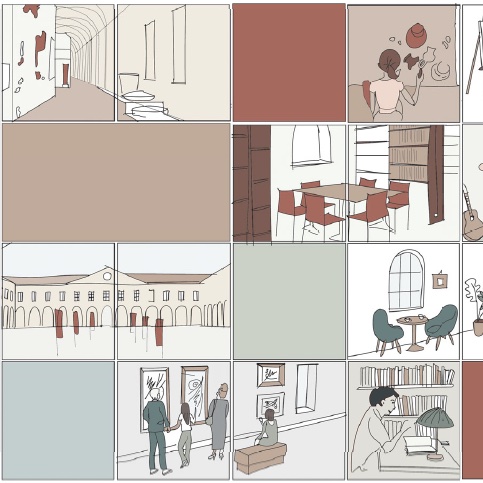
The FoSCHe project represents an innovative advancement in the field Children’s Palliative Care, by proposing to integrate a design-driven methodology in such a delicate healthcare environment. At the core of this initiative is the Liber- meta-design framework, which serves as a comprehensive tool for developing innovative and inclusive design projects: it emphasizes a holistic approach, addressing the emotional, psychological, social, and spiritual needs of children and their families, trying to promote human connections and interpersonal relationships.

19th Cycle

ZeCRoCo: Zero Carbon Roadmap for Concrete

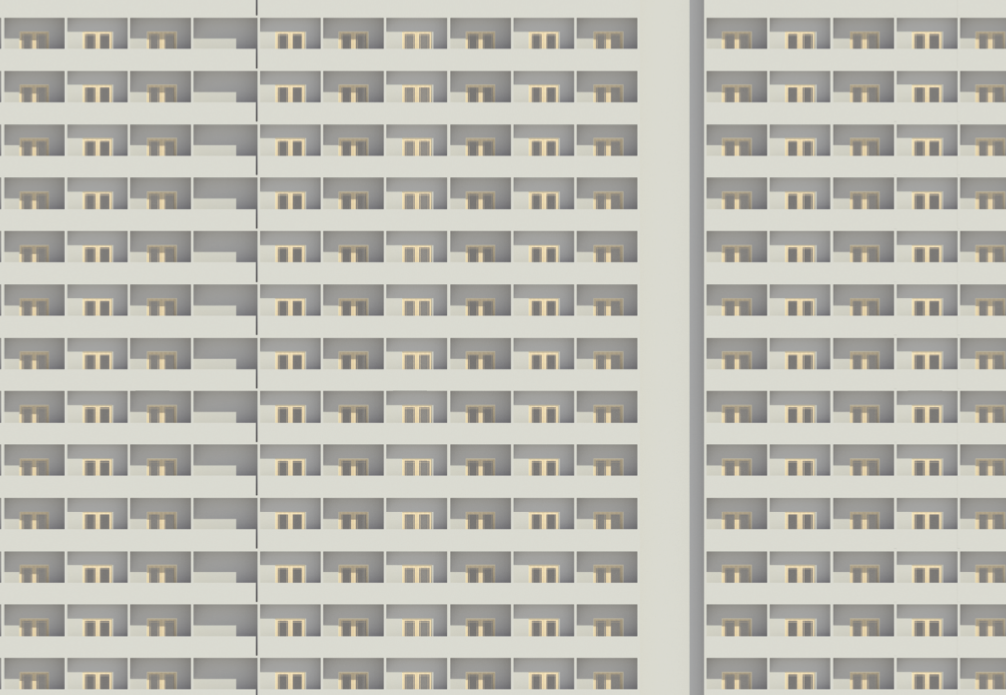
The ZeCRoCo project aims to enhance the environmental sustainability of a 28-storey social housing building by focusing on two main areas: reduction of Embodied Carbon and reduction of Operational Carbon.

18th Cycle

AQUA

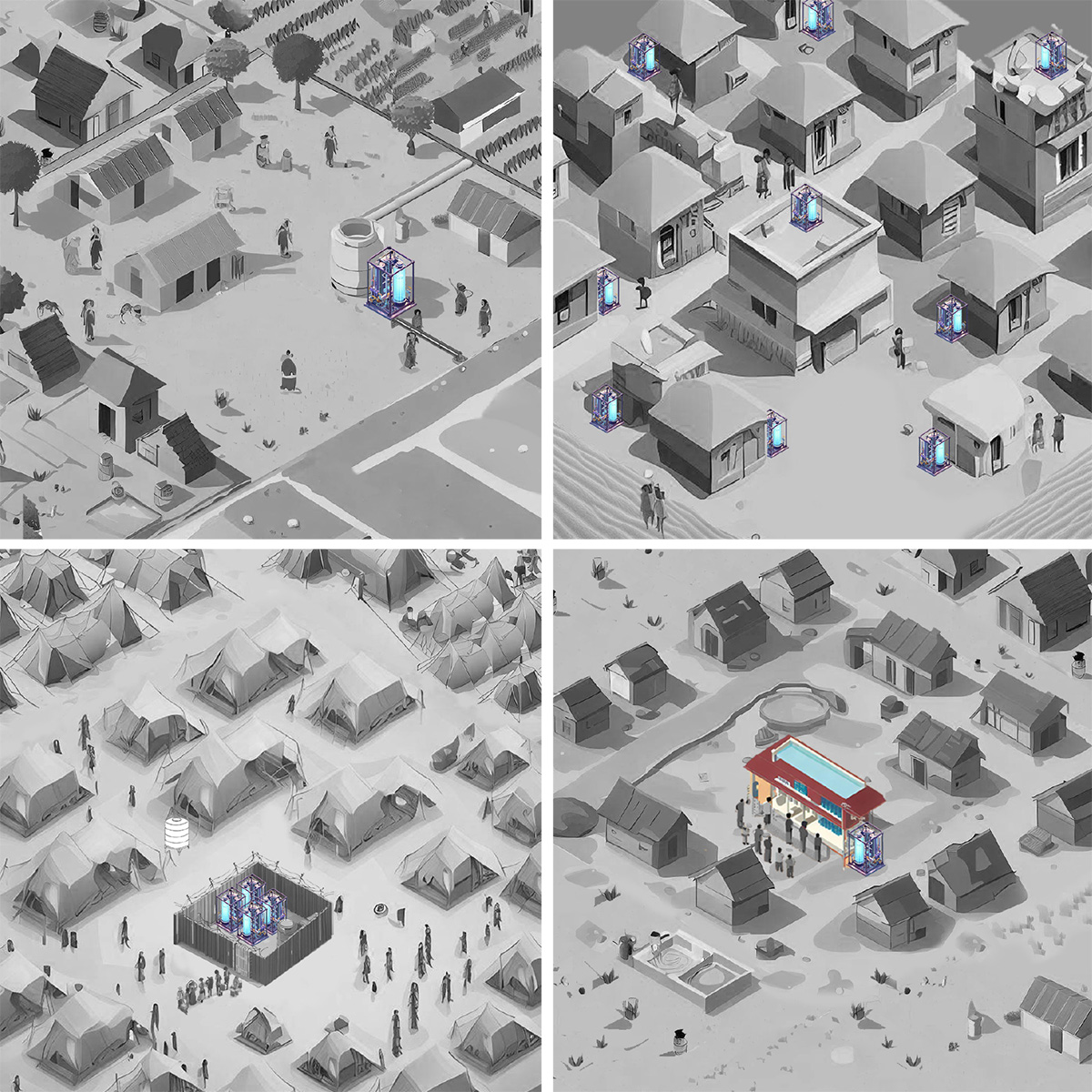
The AQUA project aims to create a set of guidelines for Aquaseek to enter the humanitarian water market.

18th Cycle

S2CITIES

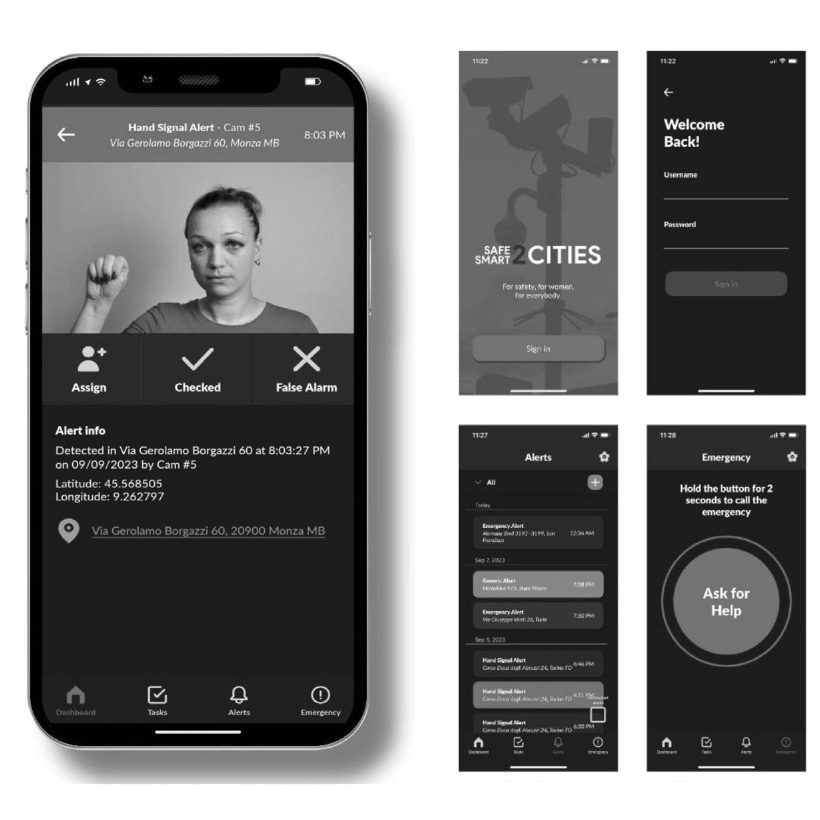
In the wake of increasing incidents of violence against women, the ‘Signal for Help’ (SFH) has surfaced as an invaluable silent beacon. Developed as a discrete hand gesture for women under duress to indicate their plight, its importance became even more pronounced during the pandemic when virtual communication surged. The S2CITIES project seeks to amplify the efficacy of this signal through technology.