18th Cycle
MetaMAPP II – Reloaded
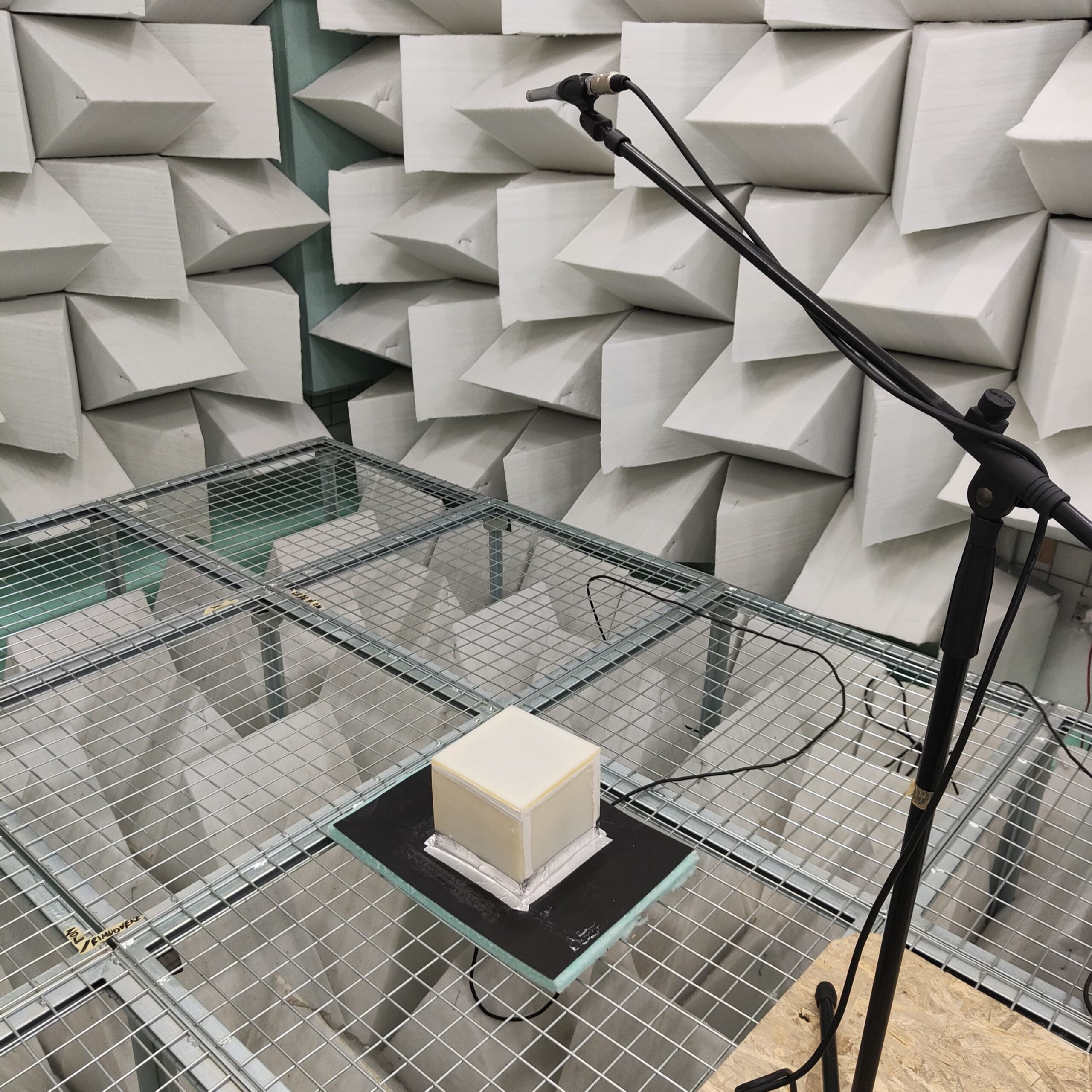
MetaMAPP II – Reloaded aims to develop a metamaterial-based solution to reduce the noise level inside a car cabin, particularly targeting a specific range of medium-high frequencies.


These projects are based on investigating innovation opportunities in a variety of industries. As an example, they can try to identify the benefits at company level of the new technologies available in the market.

These projects are based on creating and furthering knowledge for companies, public and private institutions for structuring and solving complex problems.

These projects are based on investigating entrepreneurial opportunities with a particular focus on hi-tech start-ups. These projects try to analyse the scenario of high-tech start-ups and evaluate their impacts at different levels.

These projects have the aim of understanding potential positive changes that an organization can implement to address a pressing social issue and favouring people engagement for social and community development.
MetaMAPP II – Reloaded aims to develop a metamaterial-based solution to reduce the noise level inside a car cabin, particularly targeting a specific range of medium-high frequencies.
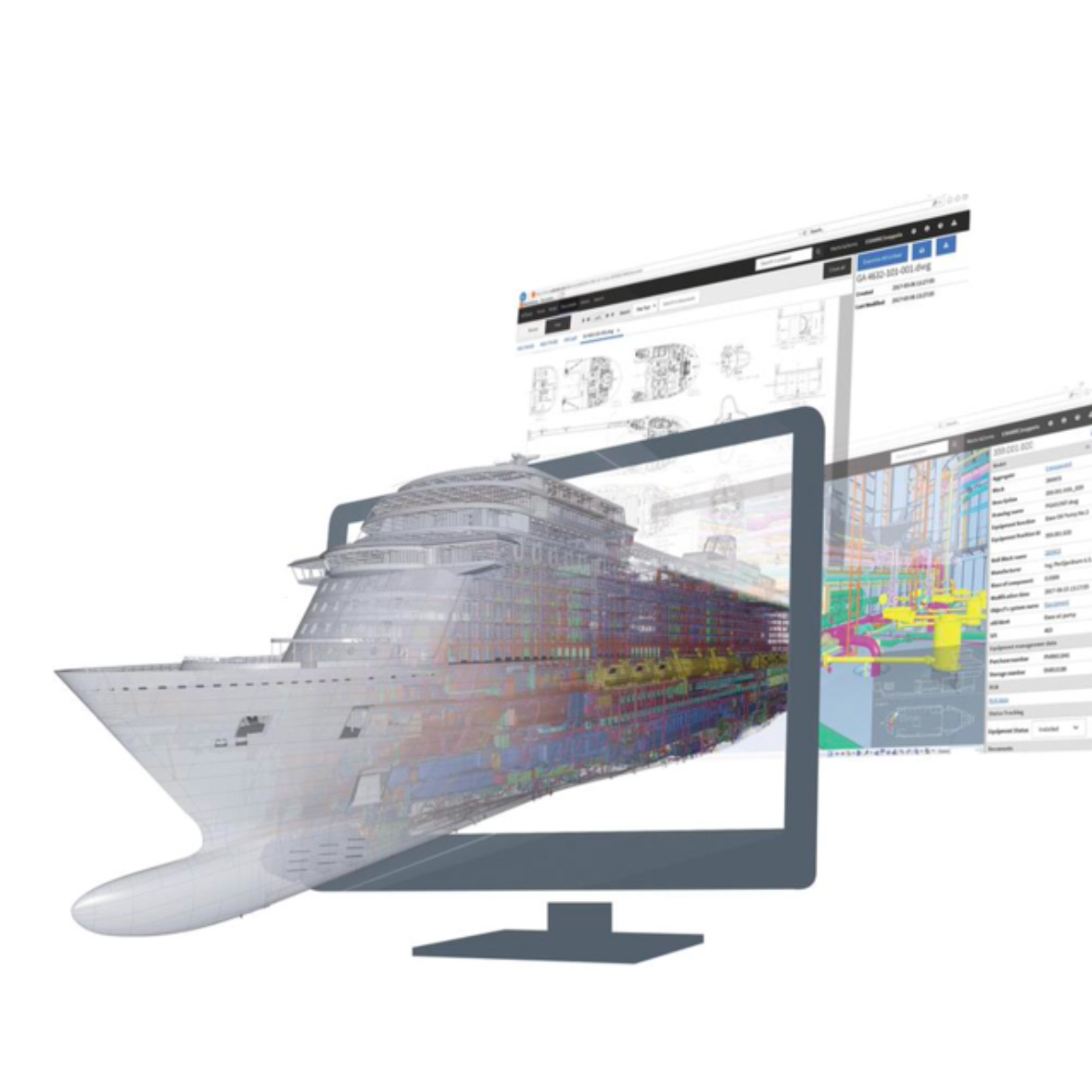
Sanlorenzo’s MILDS project represents a significant step forward in leveraging Digital Twin technology to revolutionize the superyacht industry. By integrating data-driven maintenance, energy efficiency services, and a comprehensive DT infrastructure, the company aims to meet the demands of the emerging userrequirements, while delivering exceptional value to its customers.
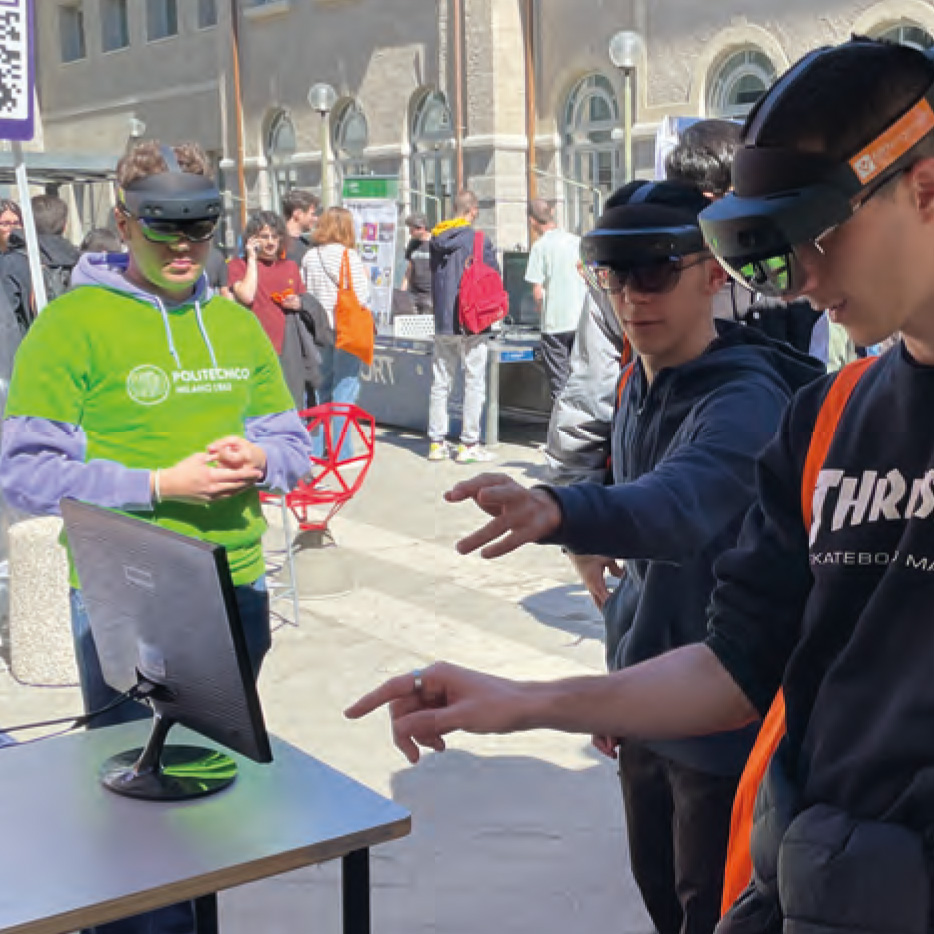
The current landscape of Mixed Reality (MR) applications in Education finds common employment in rendering 3D content in digital spaces. We noticed an unexplored area in the development of 3D-based activities that, combined with 3D content, could lead to comprehensive teaching experiences. Our project, in partnership with Vodafone and FifthIngenium, aims to fill this gap.
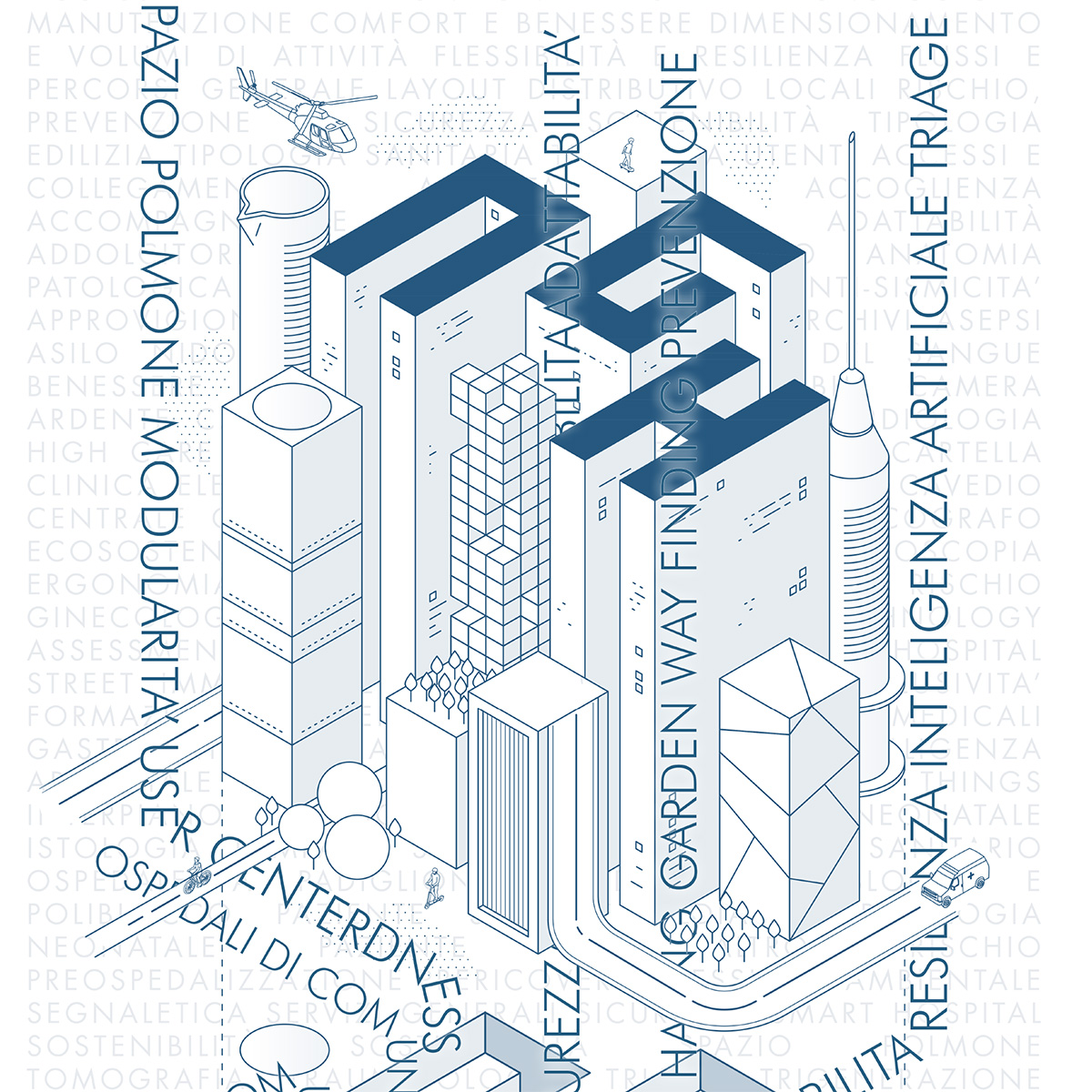
Next Generation Hospital provides the basis for the new Norma Terminologica UNI, the Italian national industrial terminology standard on healthcare design.
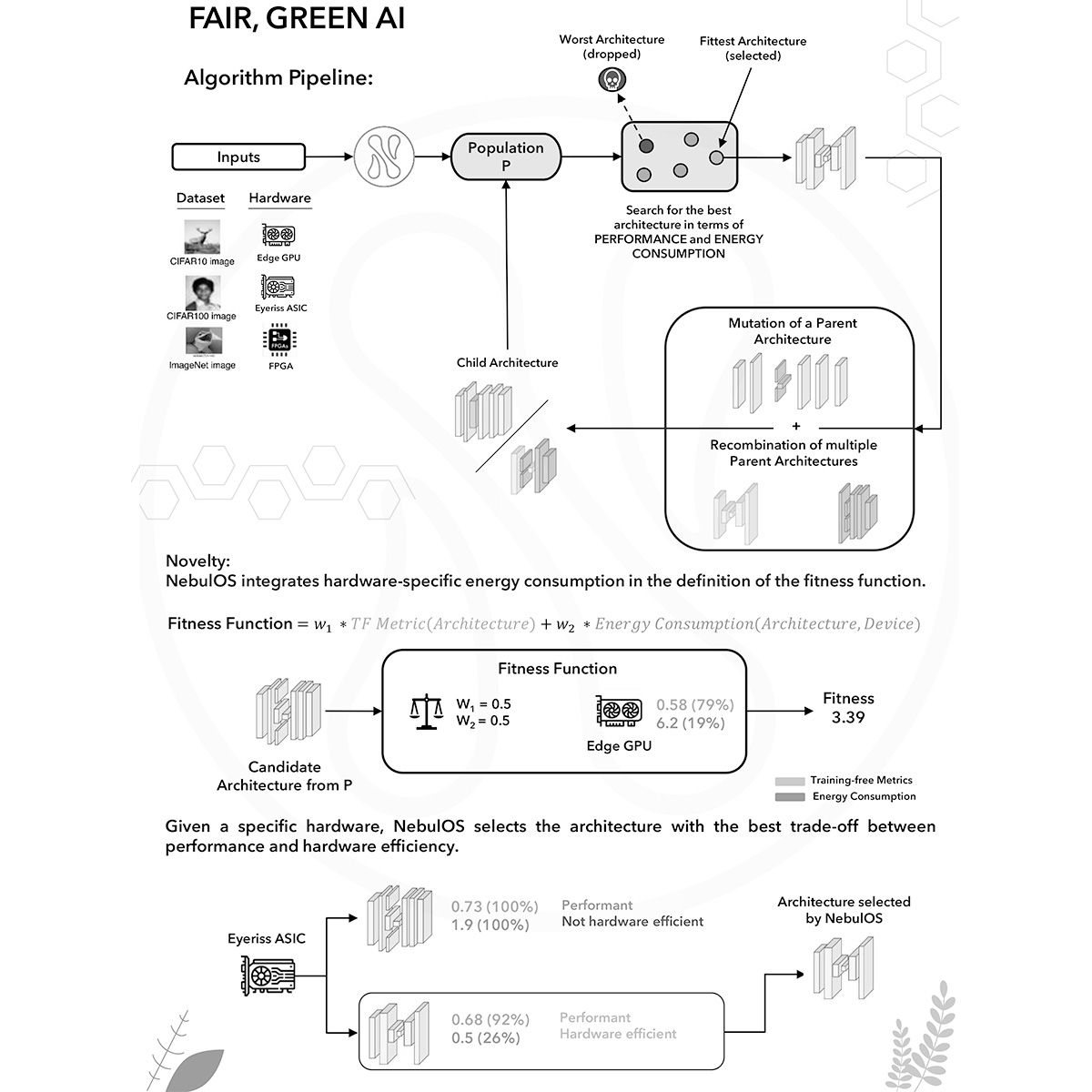
Unlike traditional methods that search for the best model only considering the performance on the downstream task, NebulOS also takes into the energy consumption when training a model on a specific hardware, producing tailored designs on a variety of different devices. This ensures that the final model aligns with the end-user’s unique needs, resources, and preferences.
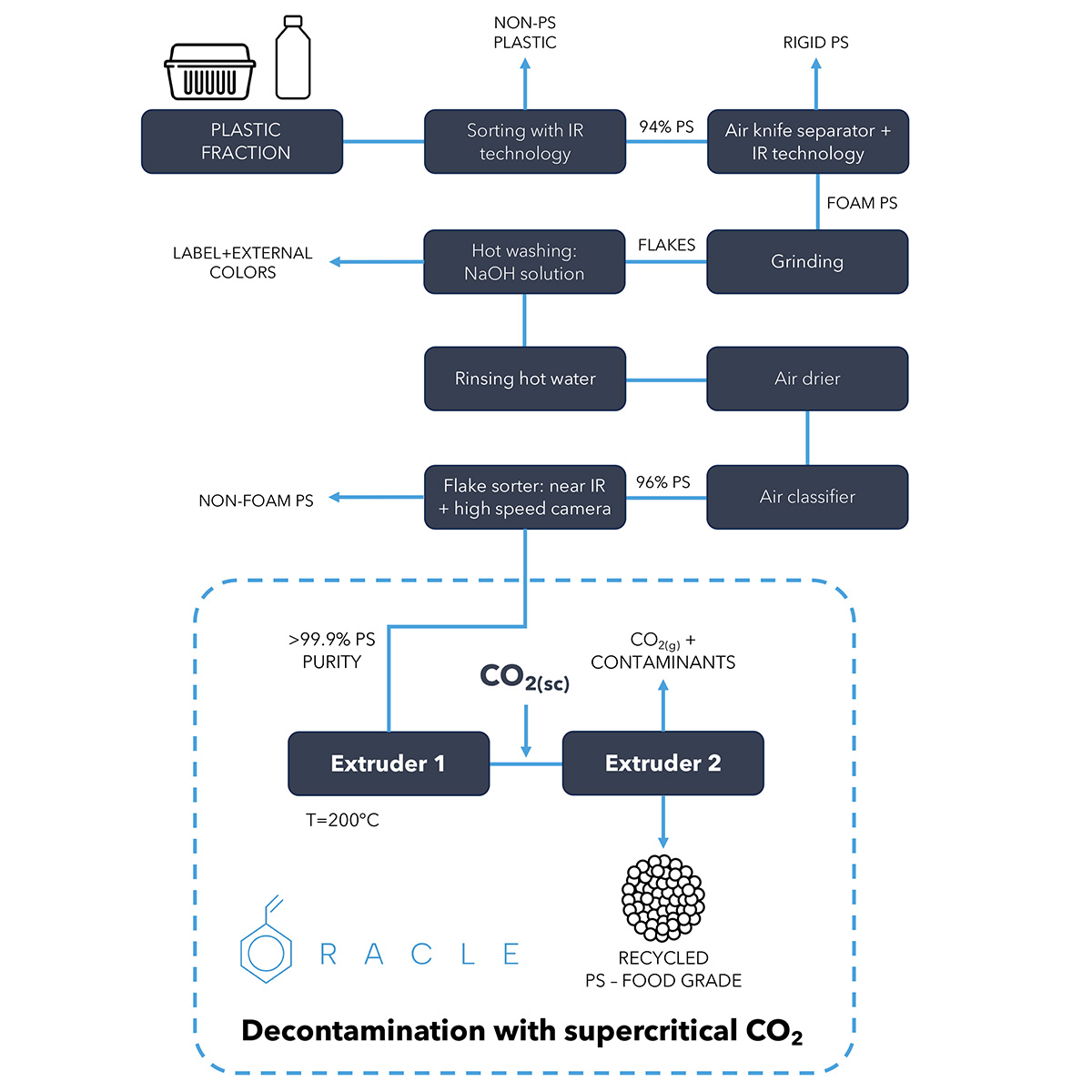
ORACLE is committed not only to the mitigation of the environmental impact of plastic waste but also to the contribution to the circular economy model
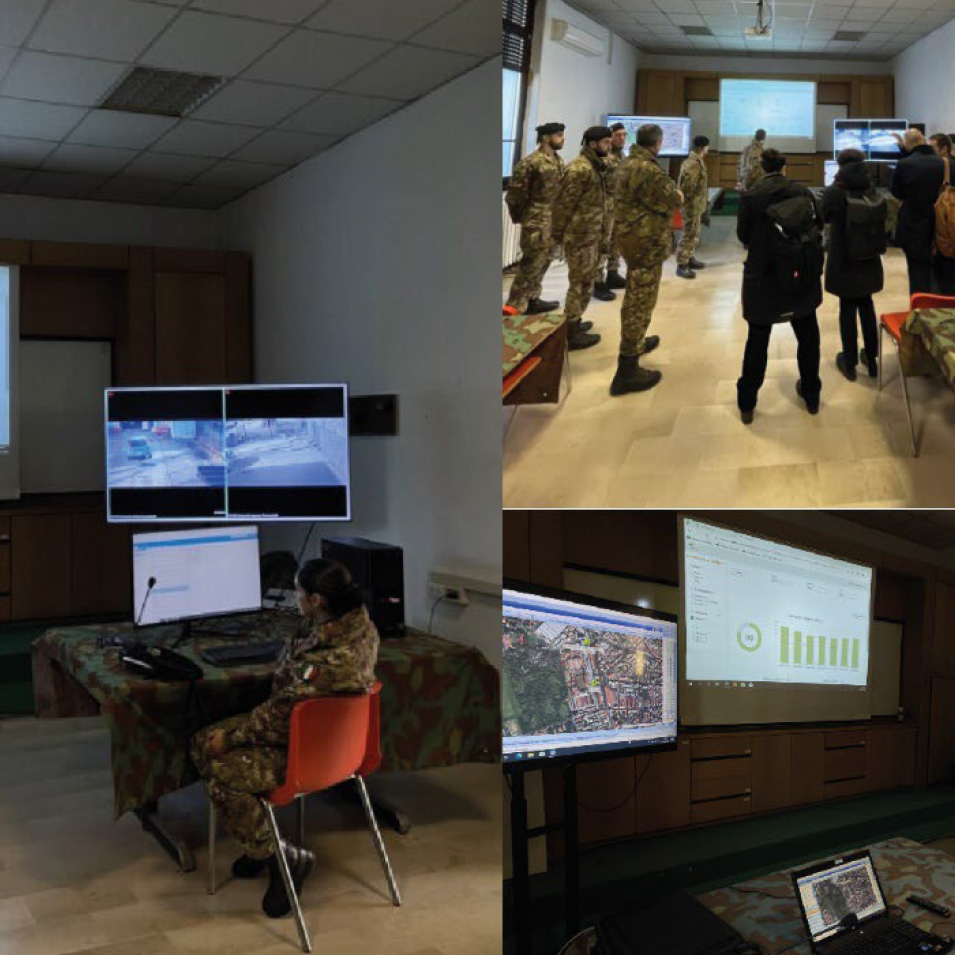
Smart Military District: Urban Rethinking, Energy Efficiency and Smart Things.
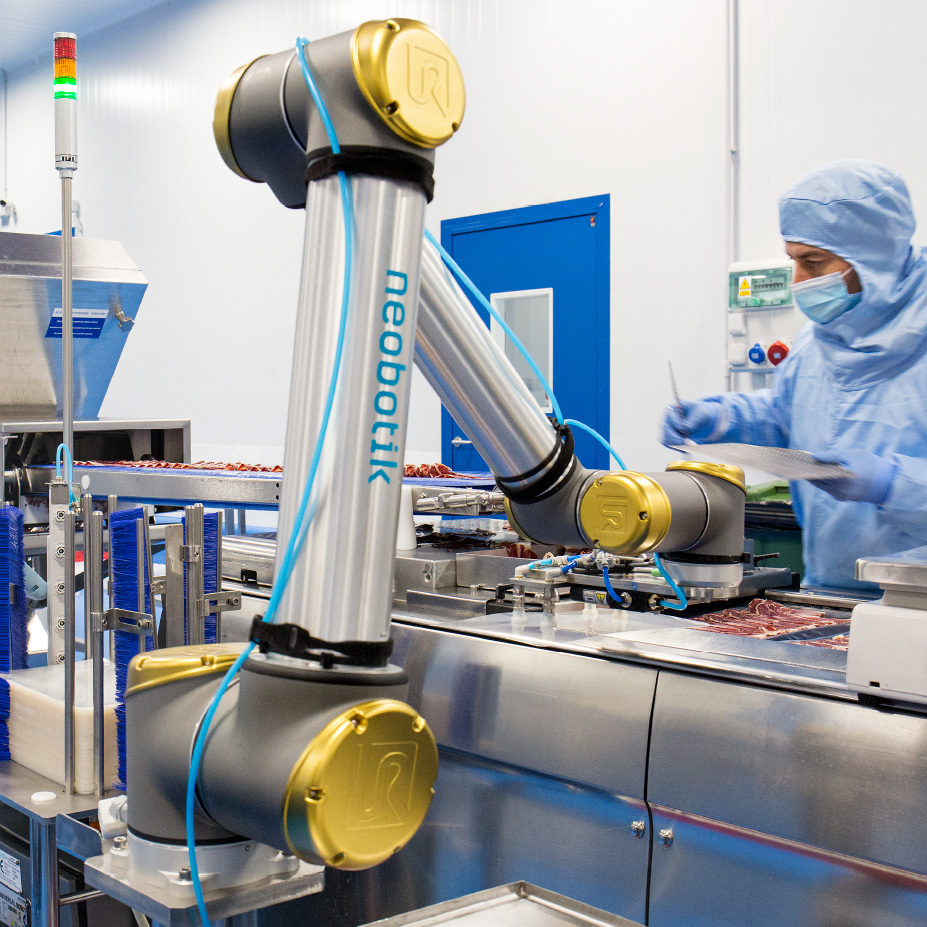
A machine-learnig based microwave sensing approach to real-time food contaminant detection, localization and classification
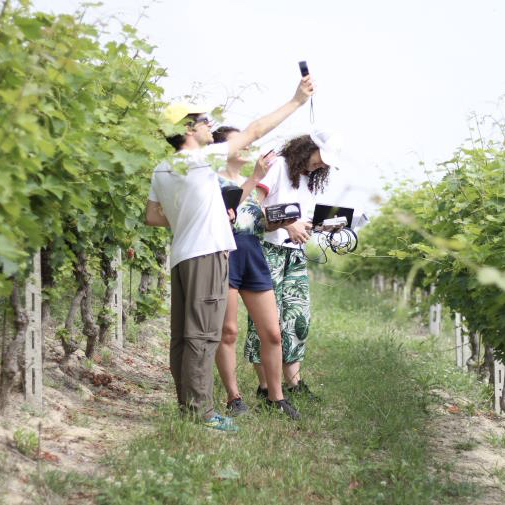
The increase of the frequency and strength of extreme meteorological events related to climate change is a trend that will
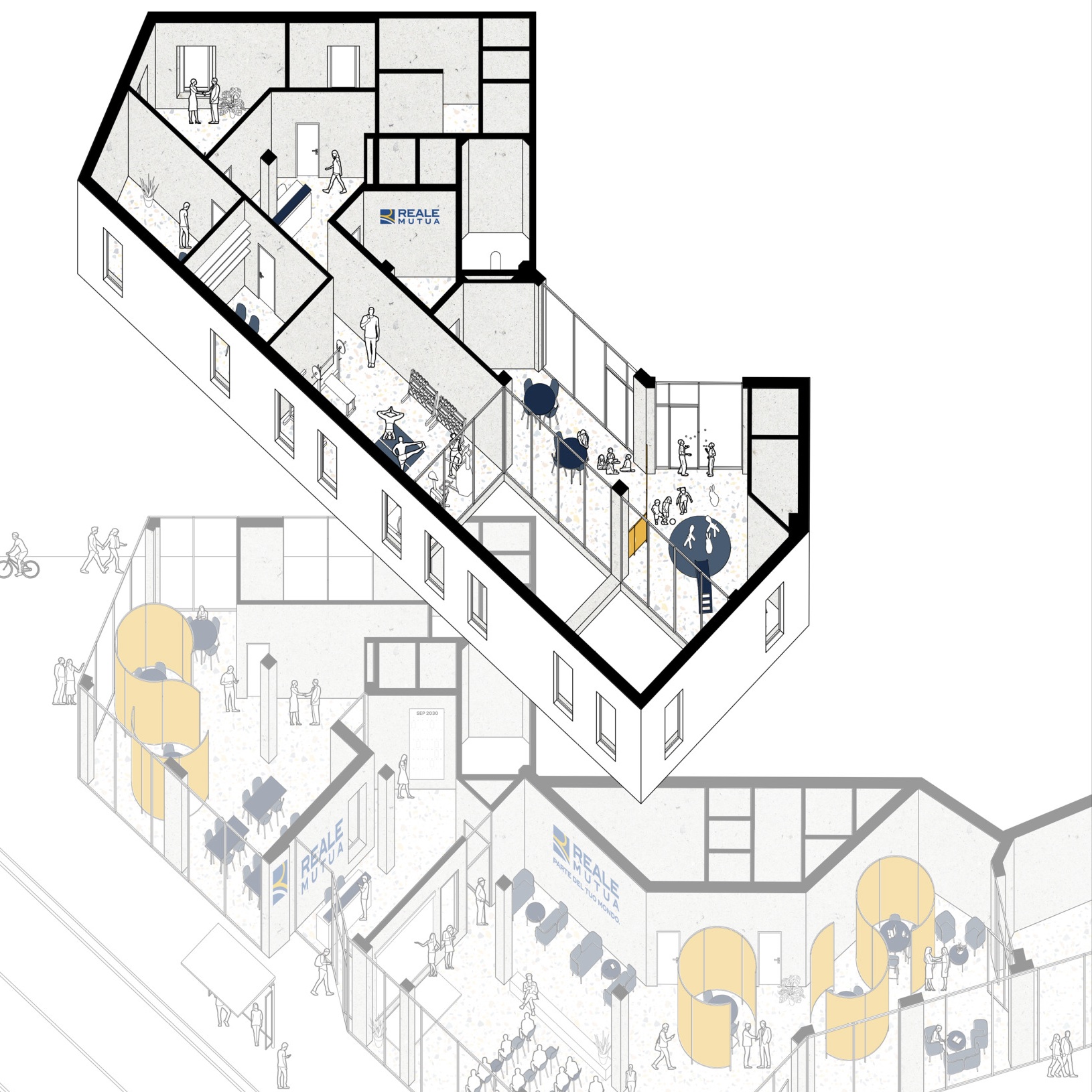
As the insurance landscape evolves with the rise of new insurtech players, traditional incumbents must reformulate their strategies to preserve
The digital revolution is reshaping the financial sector, making new products and services possible for the customers: but this does
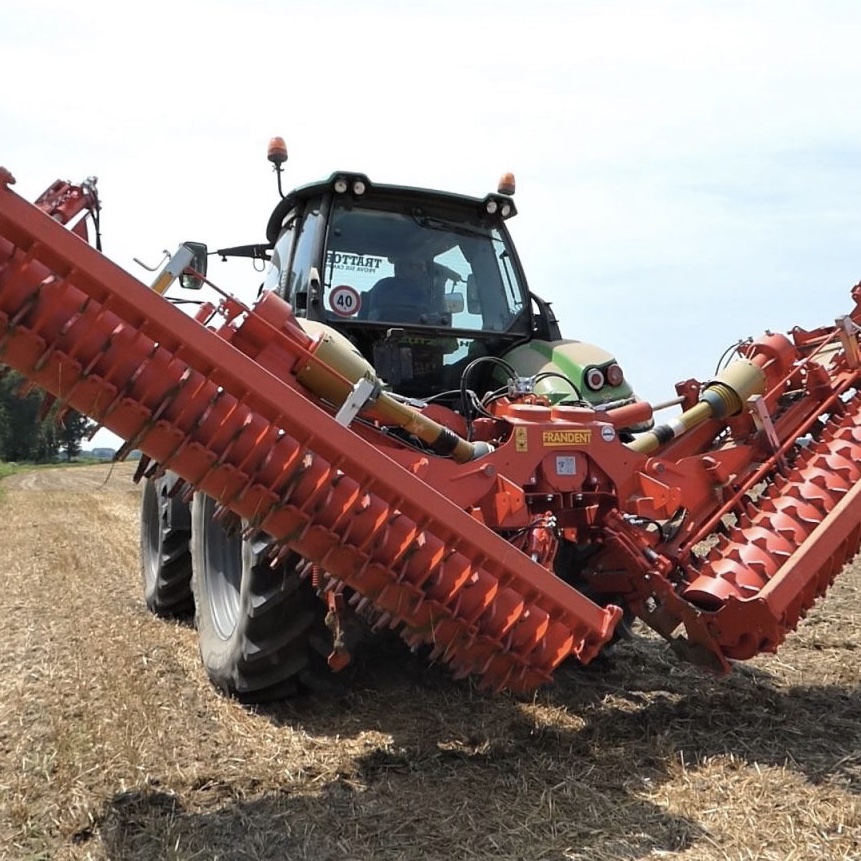
A damper is a device that suppresses vibrations and dissipates their energy in the form of heat. The aim of
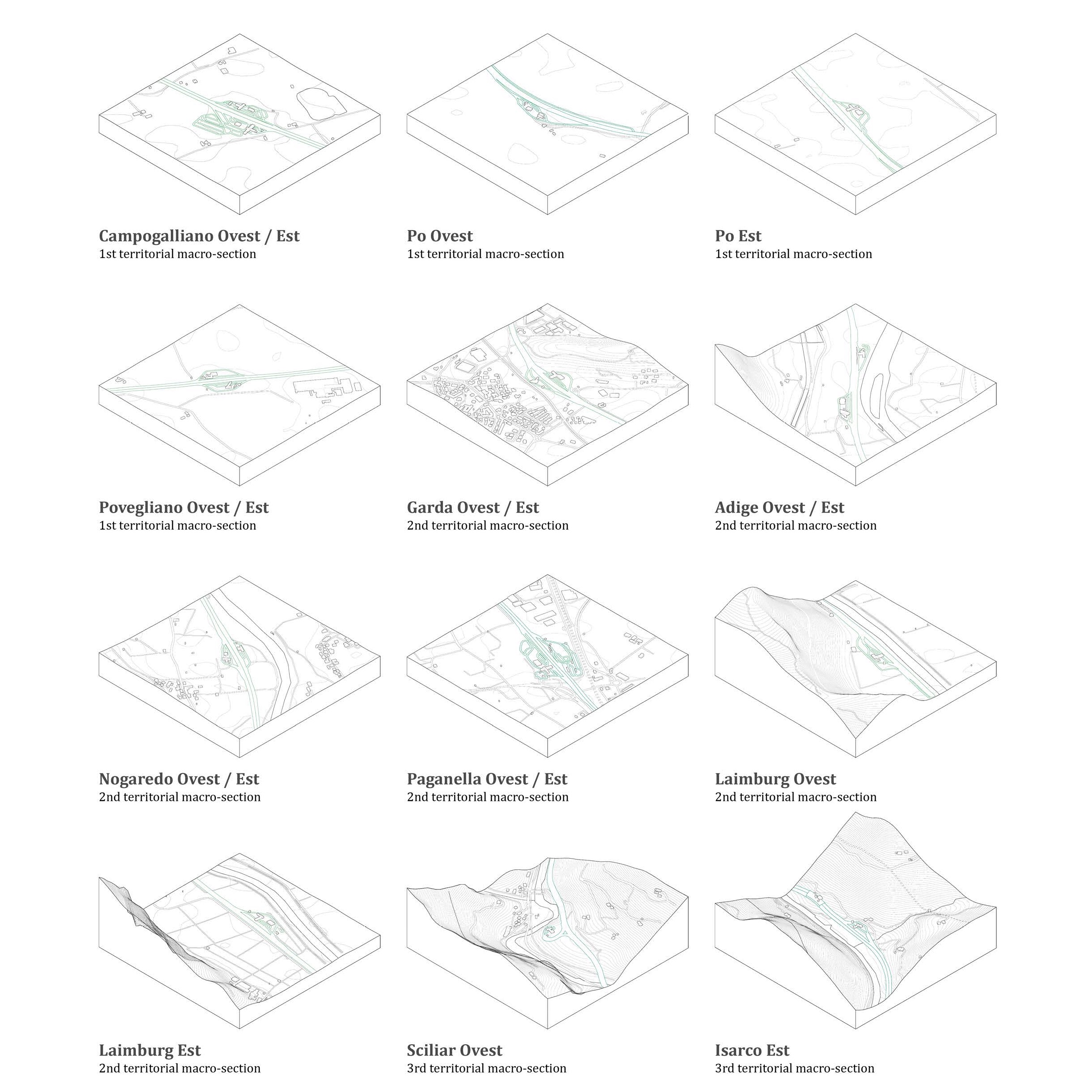
Motorway service areas are generally seen as fast transit place, where to stop only if strictly needed. TNA(A22)MSA aims to
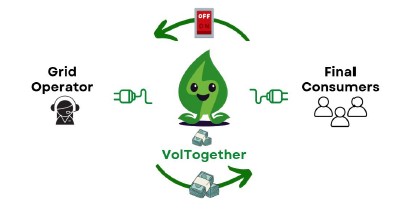
As the European power grid undergoes a deep transformation driven by the growing electrification of homes and industries, the rise of electric mobility, and the large-scale integration of intermittent renewable energy sources, ensuring grid stability has become increasingly challenging. In many urban areas, energy consumption during peak periods now regularly exceeds the distribution capacity of local grids. Simultaneously, distribution networks are becoming more complex due to the decentralization of electricity generation and the digitalization of infrastructure, particularly at the medium- and low-voltage levels.
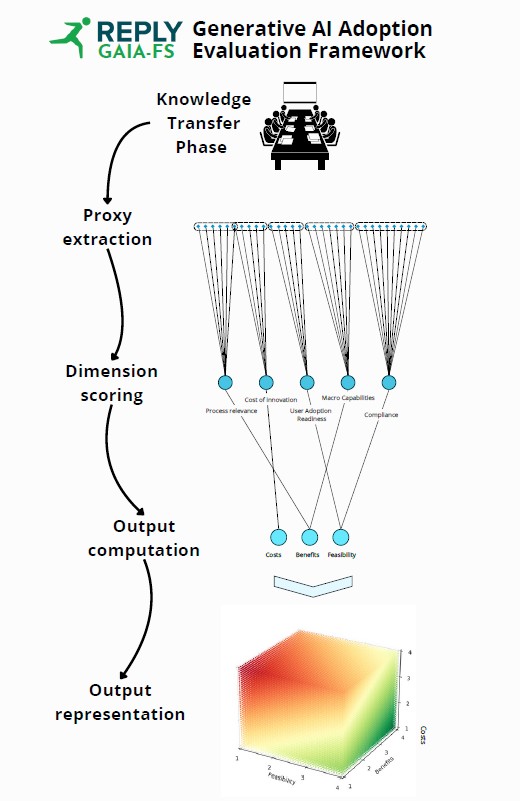
The financial services industry is at a critical inflection point, confronted with both the immense promise of Generative Artificial Intelligence (GenAI) and widespread hesitation around its adoption.
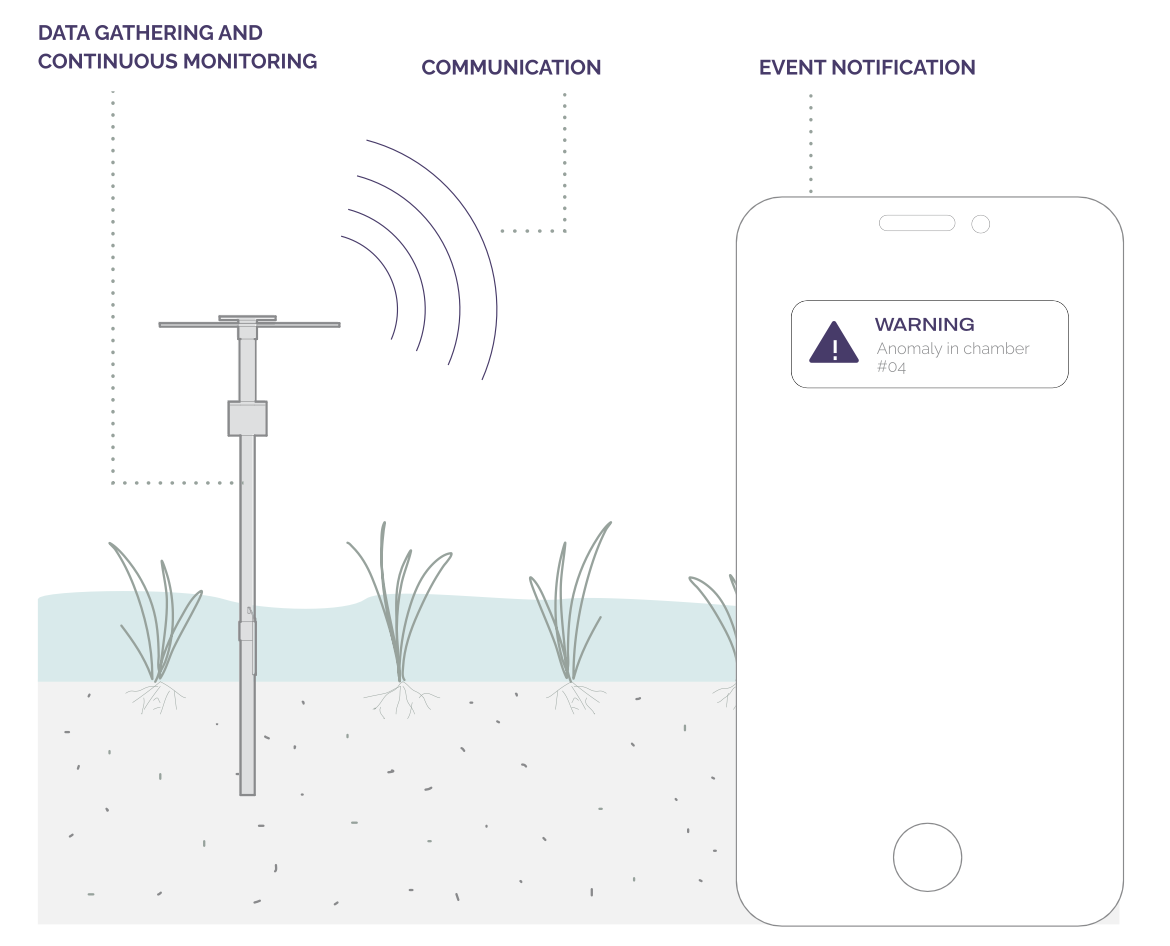
The AISS4SA project aims to optimize water usage by implementing a modular system that monitors water levels in different paddy field chambers.
The AMBROSE project aims to address the challenge described above by introducing a modern, integrated, multidisciplinary SHM framework. This system will utilize automated monitoring, a combination of direct and indirect sensing methods, and advanced data analysis to detect structural issues early, enabling predictive maintenance and reducing the need for costly, urgent repairs.
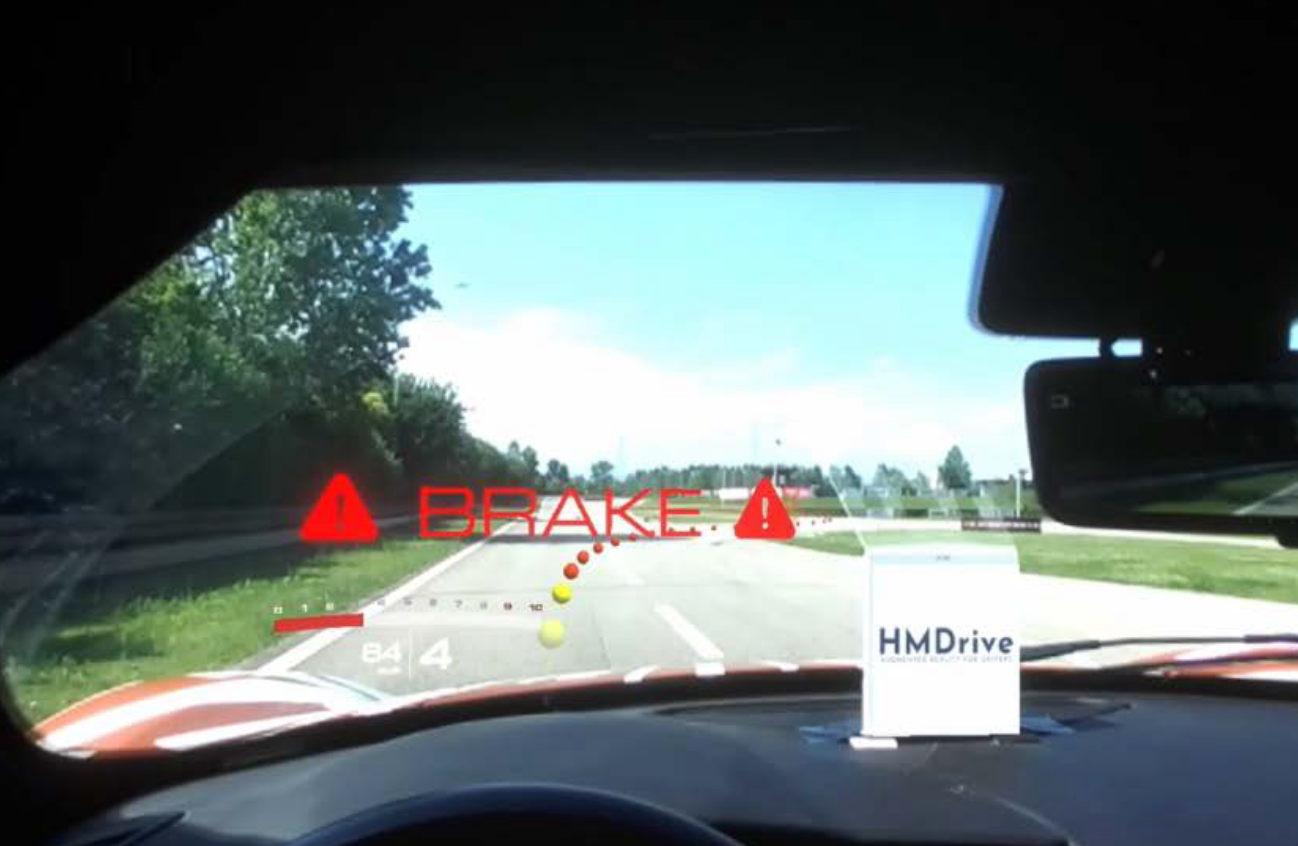
The Augmented Reality Vehicle Interface (ARVI) project main goals are: enjoy a unique experience in a rapidly growing startup, learn by doing & get a working methodology, work on cool stuff, having the freedom to build new things from scratch. The project is designed for students that are willing to be out of their comfort zone, ready for complex tasks and to be hands-on.
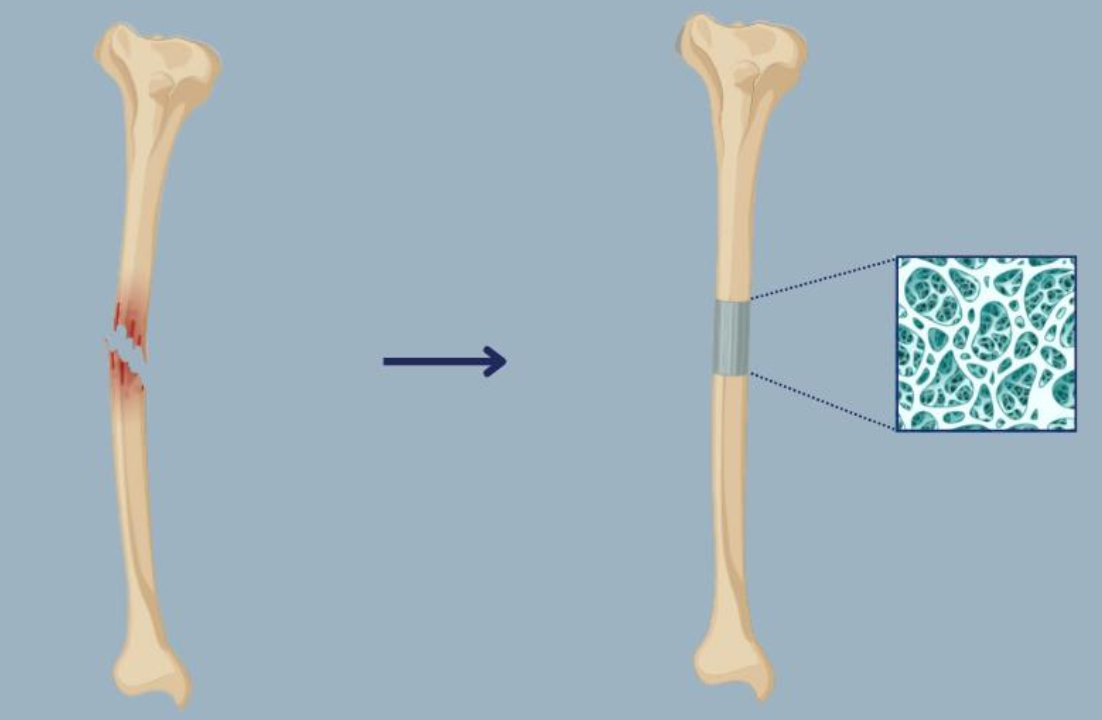
The BASTA (Bio-inspired and Adaptive Strategies to TAckle fragility fractures) project aims to design an advanced bone scaffold, more efficient than existing commercial products.
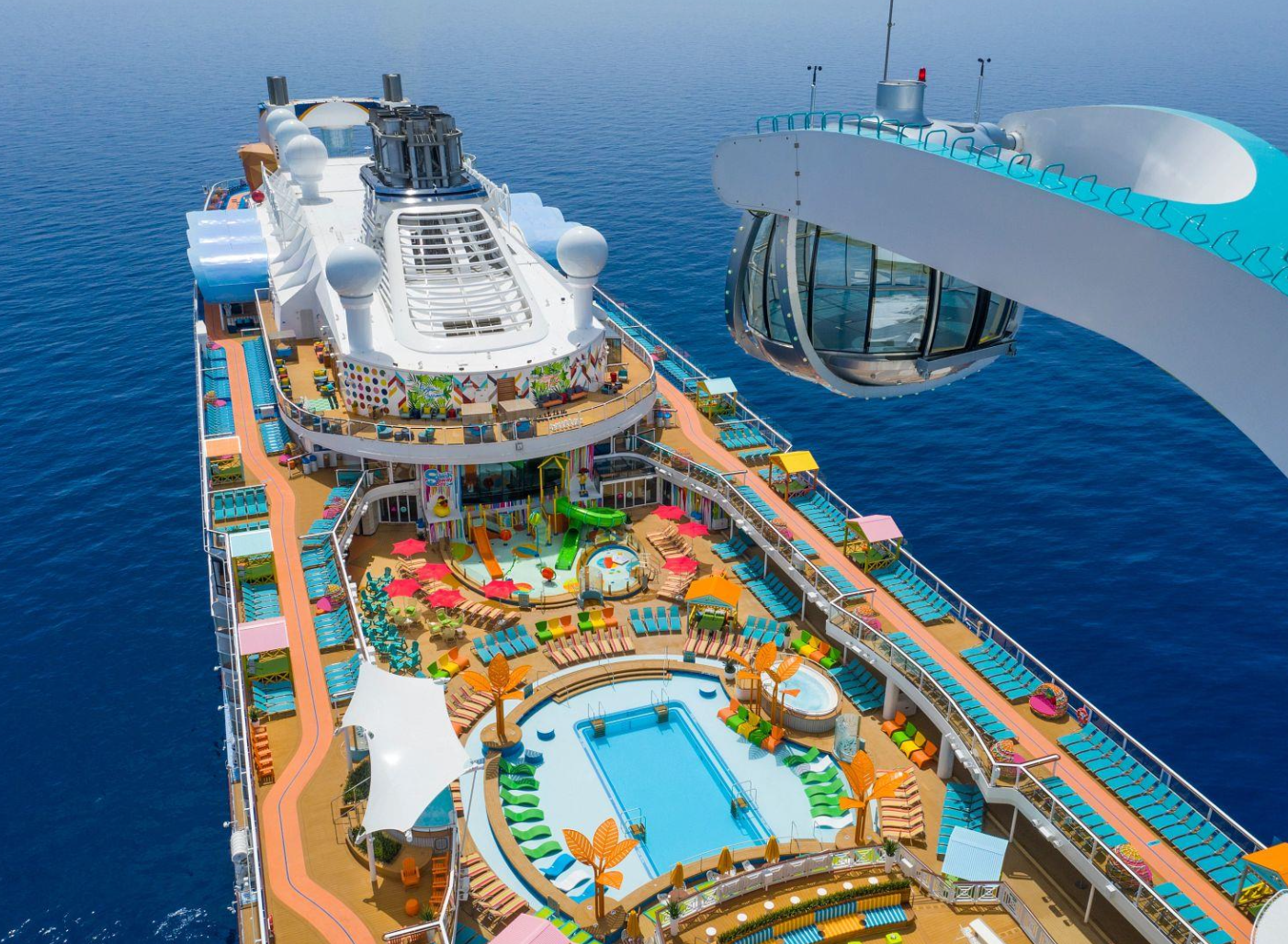
Considering the huge environmental impact of cruise ships, the project aims at detecting solutions for a more sustainable cruising. The latter must also consider the economic interests of the maritime industry, considering first and foremost the welfare of the cruise ship’s customer-passenger.
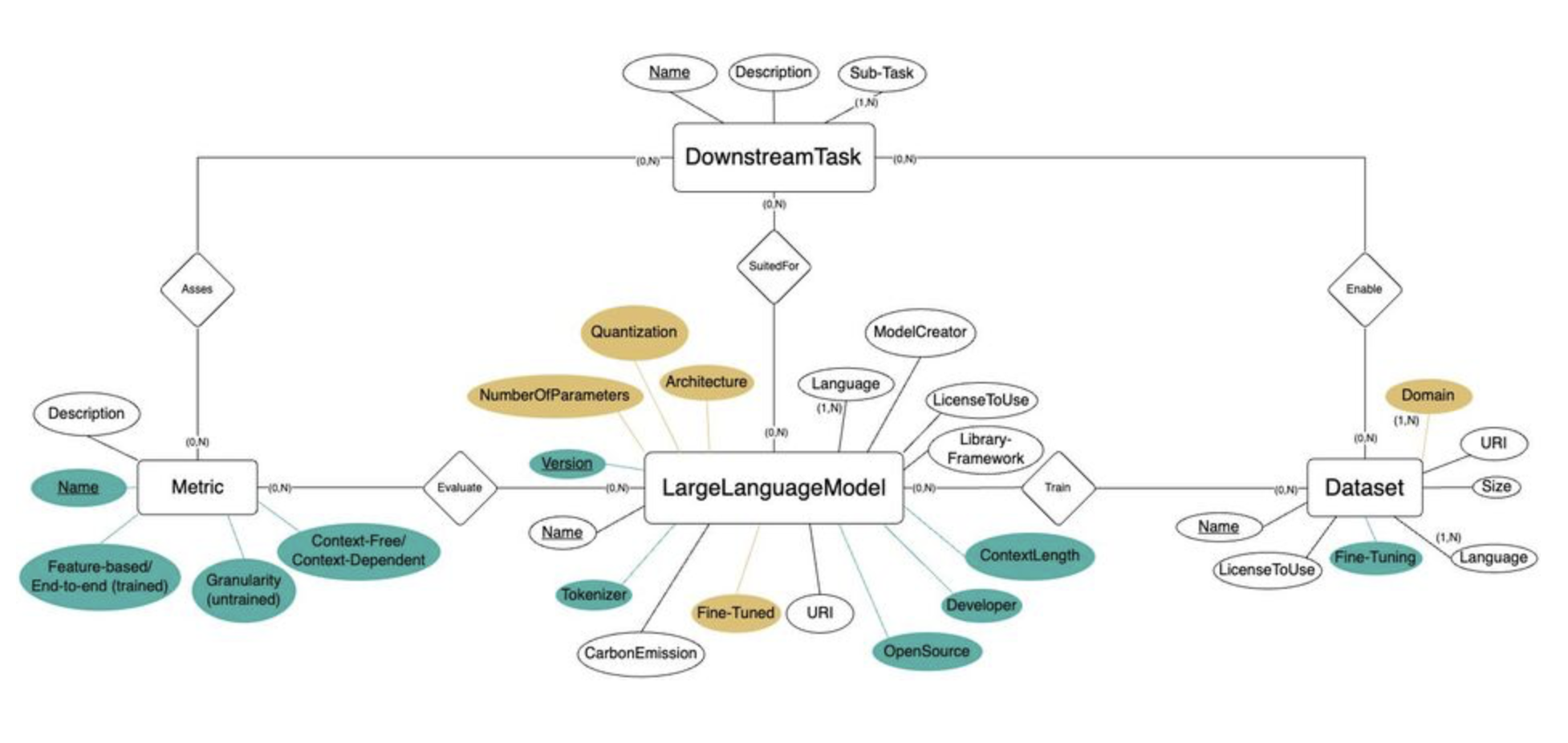
The goal of the chatIMPACT project is to bridge this gap, building a platform that allows users to easily access the knowledge they need in the LLMs domain.
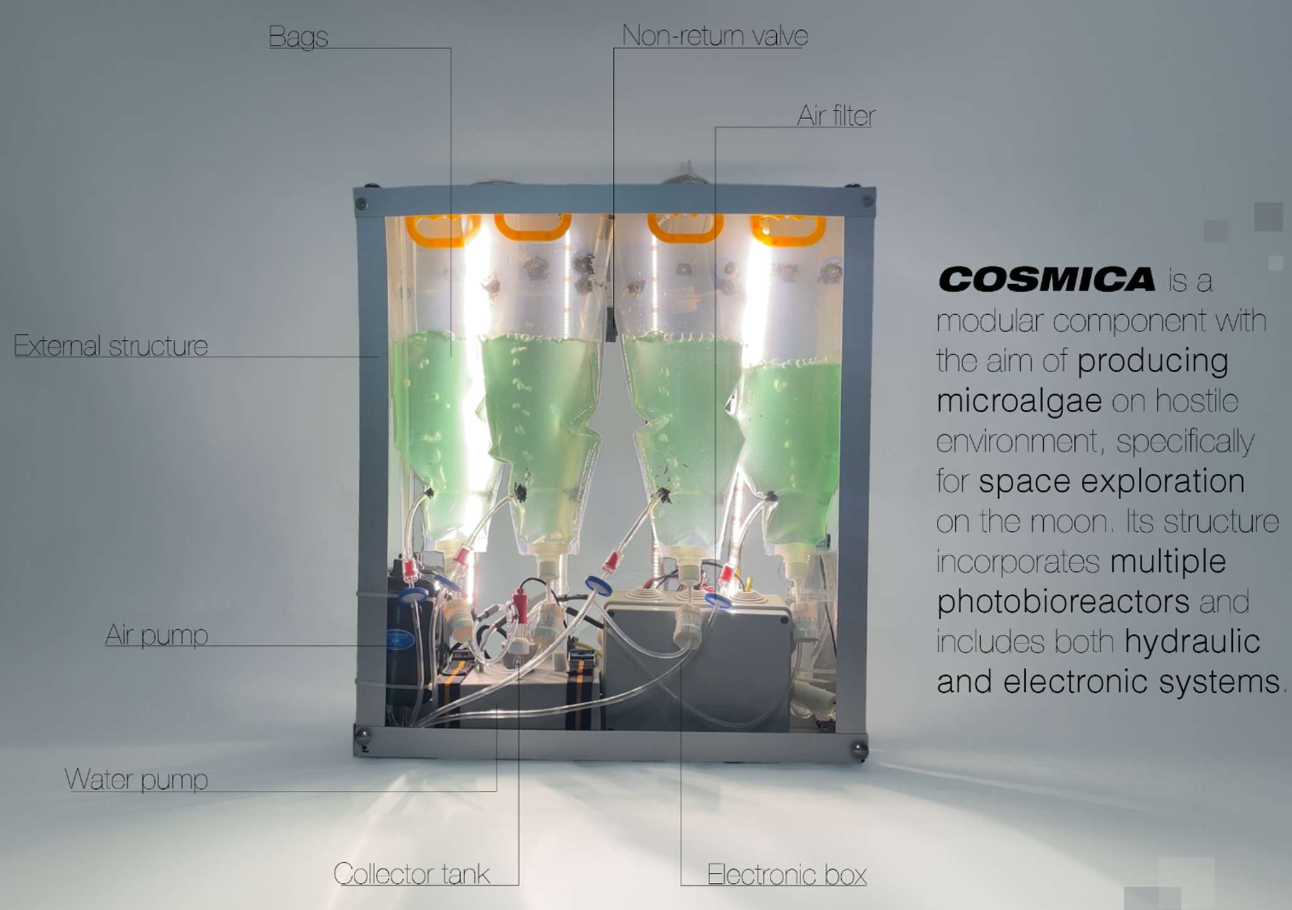
The COSMICA project is developed within the framework of space architecture, embracing a sustainable, circular design approach for future habitats on the Moon or Mars.
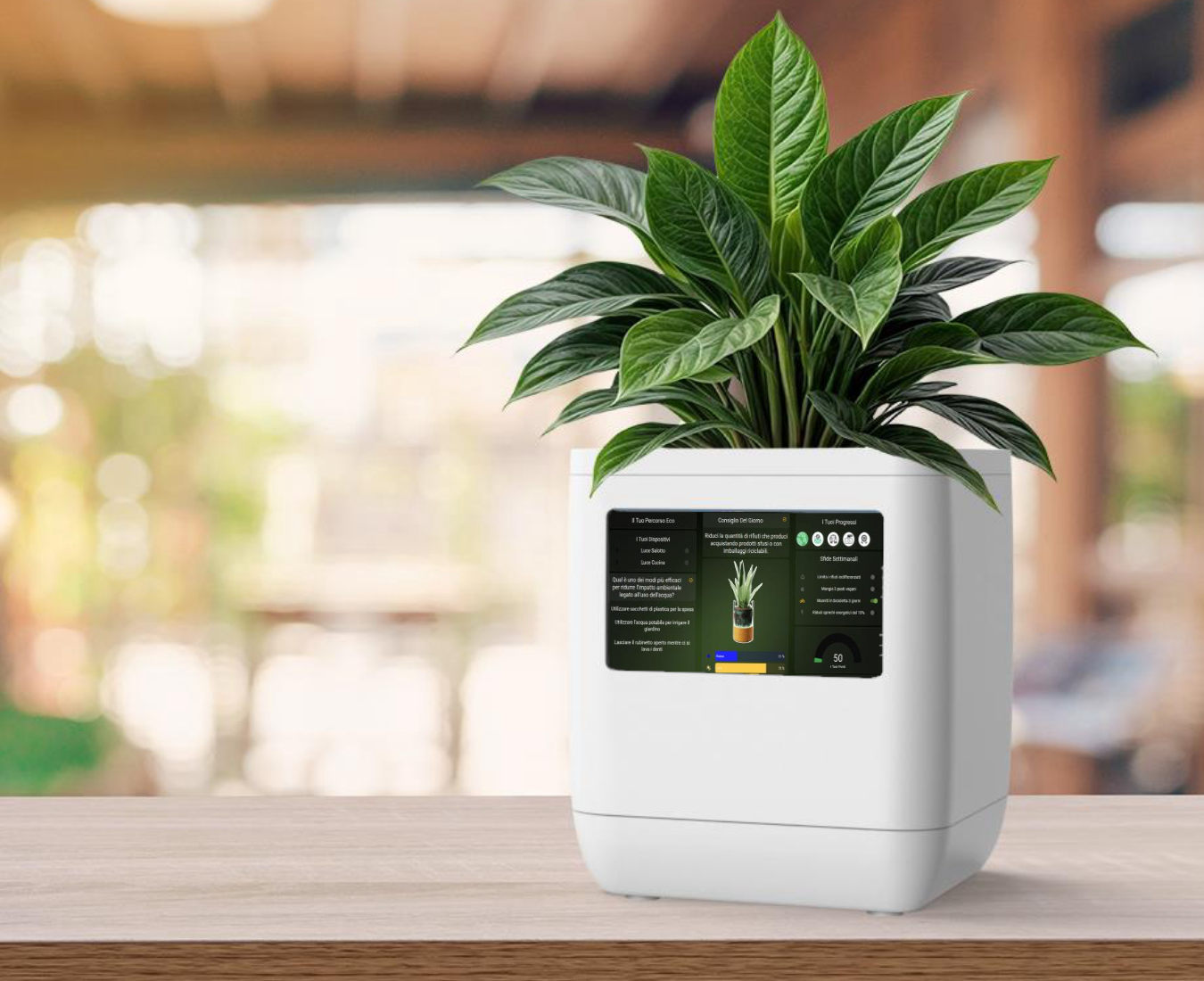
The aim of this project is to explore how the power of generative technologies can support the design of new products or services to help people in a shift toward more environmentally sustainable behaviors

The FutureHome project aims to revolutionize the smart home market by developing an innovative business model and digital platform that allows users with low expertise level in automation in implementing their smart solution. FutureHome will offer a fair and objective comparison among different smart home devices and suggestion tailored to costumers’ needs. The prominent goal is optimizing energy consumption, promoting significant economic savings, and ultimately improving the overall quality of life for its users.
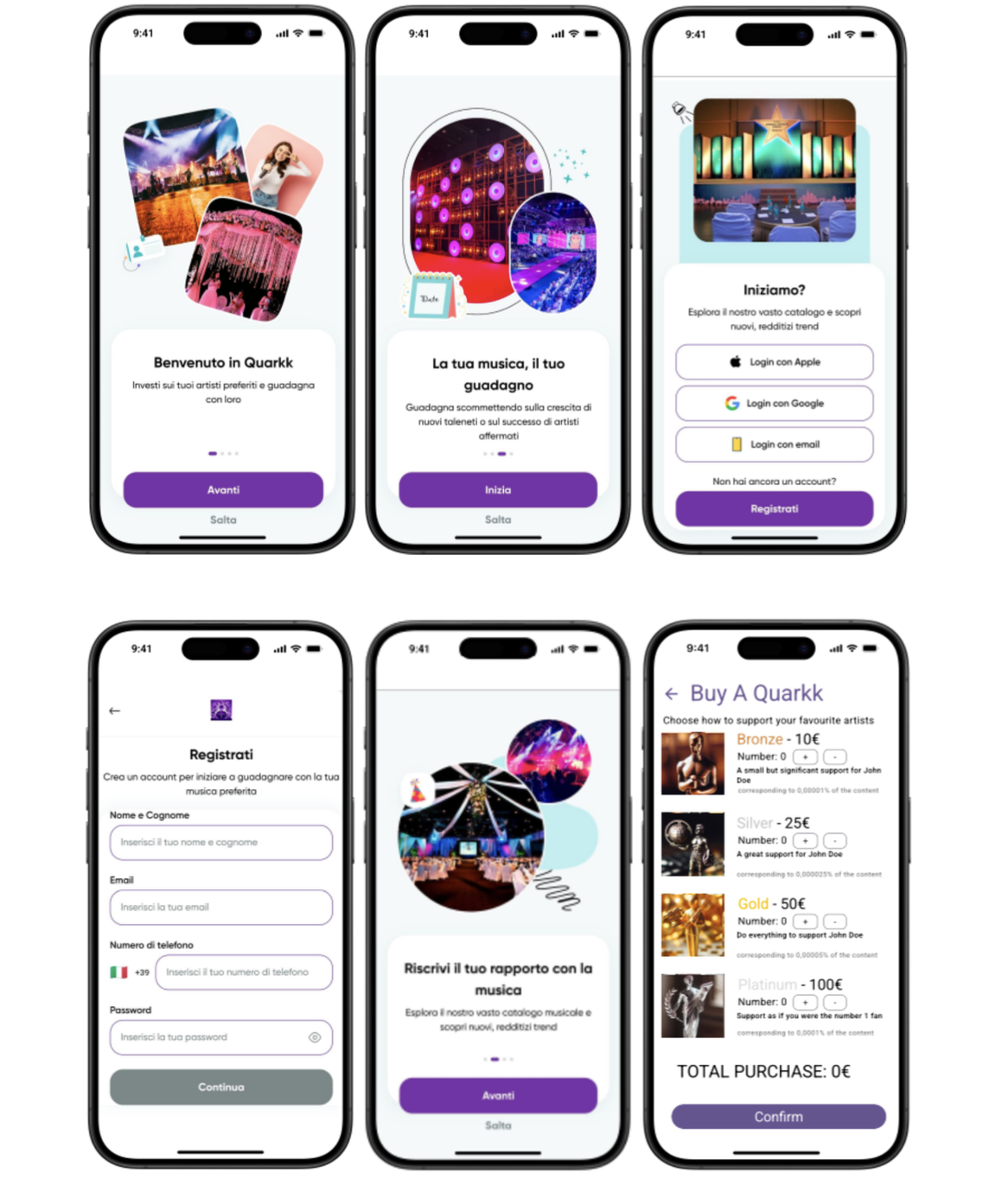
Fans can invest directly in their favorite artists’ music production (or other activities), receiving a return based on their success. This model allows emerging artists to self-finance without long-term, often unfair, contracts with labels, and enables established artists to fund new or independent projects with direct support from their fanbase. Quarkk’s goal is to provide artists a space for expressing themselves freely and financing their projects with direct support from their fans.
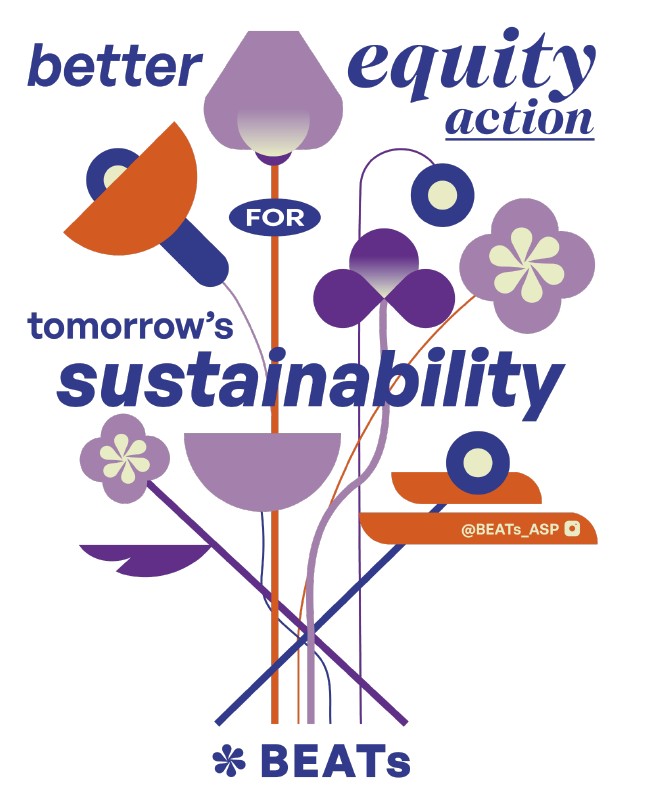
The MI AMI BEATs project, developed within the Alta Scuola Politecnica program and in collaboration with MI AMI Festival organizers in Milan, addresses the challenge of designing a transparent, accessible, and data-driven sustainability evaluation framework for music festivals. It aims to bridge the gap between rising environmental expectations and the lack of standardized tools for sustainability assessment in the music industry.
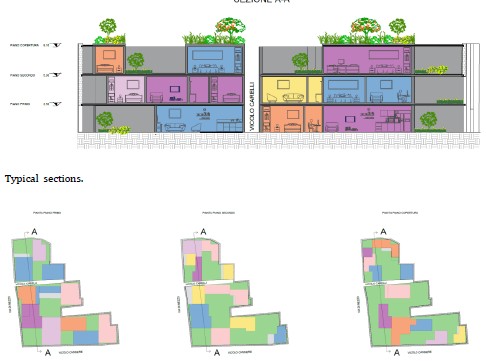
The ISOLAx project is an innovative urban regeneration initiative designed to tackle the intertwined issues of housing inadequacy, social fragmentation, and economic decline in Taranto’s historic Old City, an area plagued by vacant buildings and precarious living conditions.
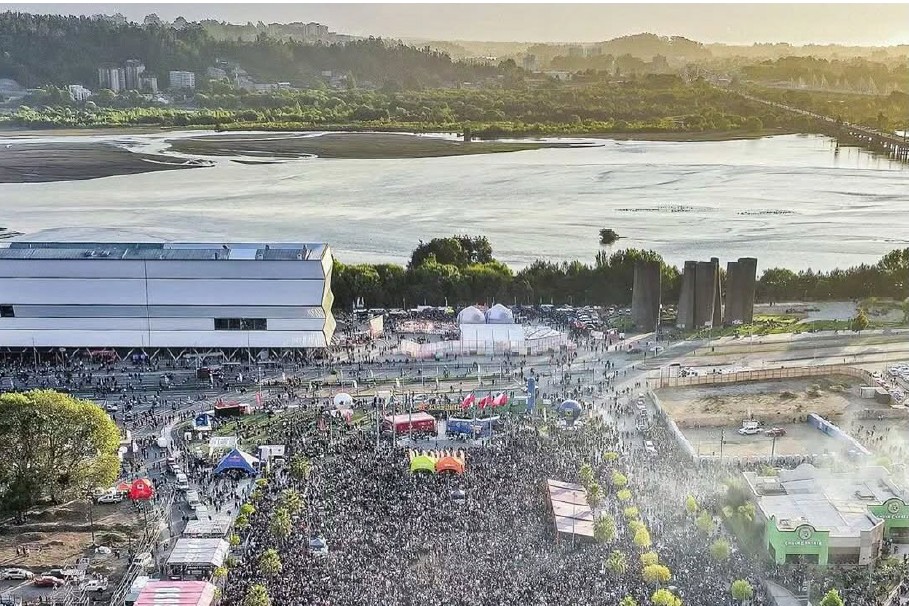
RECycled Pavilion is a temporary architectural installation realized in the city of Concepción (Chile) as part of the 10th anniversary of the largest free music festival in the country, REC Festival. The project was developed by an international team of students and teachers from the Alta Scuola Politecnica in collaboration with the Universidad del Desarrollo (UDD, Chile) and was realized in March 2025.
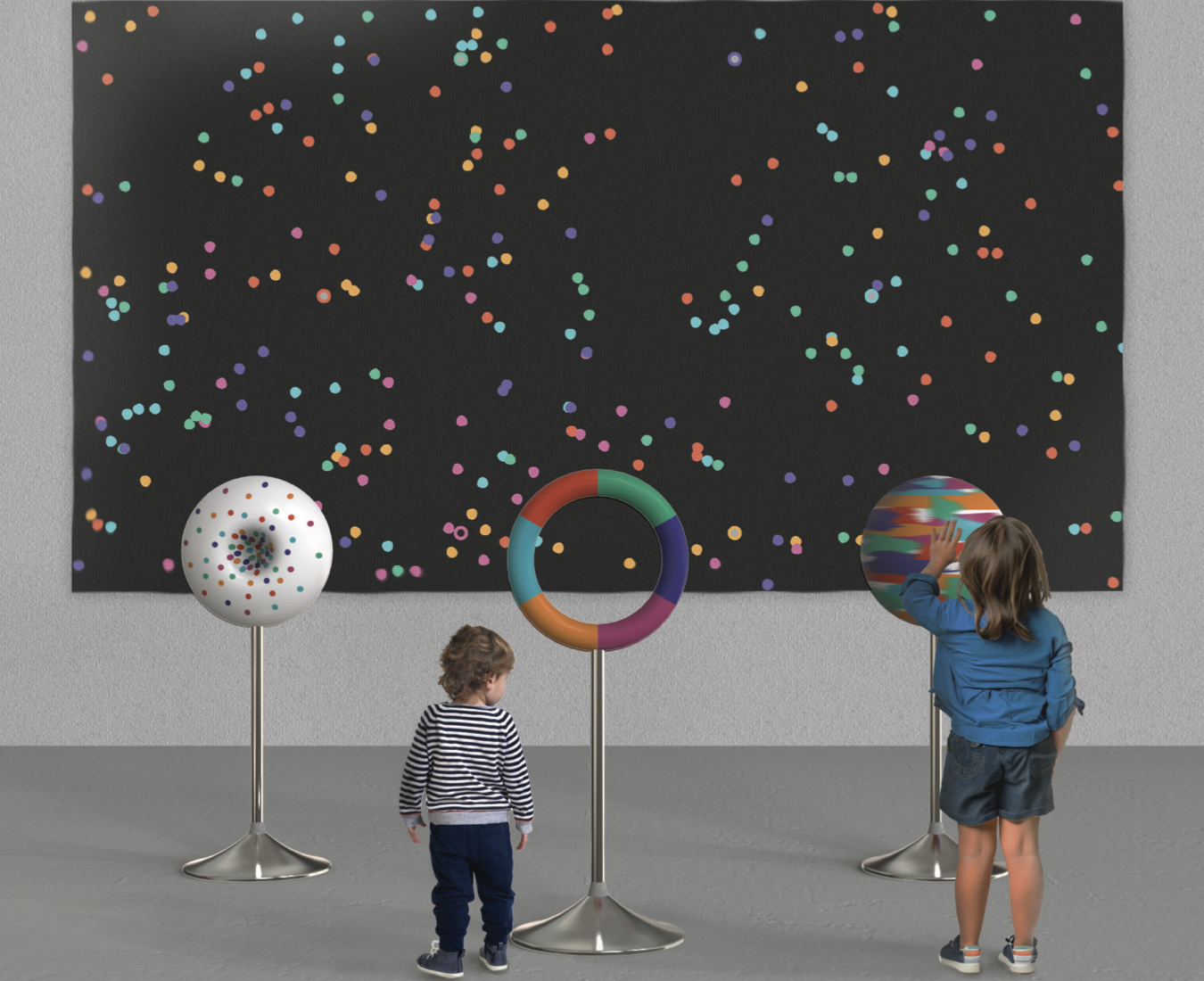
The FoSCHe project represents an innovative advancement in the field Children’s Palliative Care, by proposing to integrate a design-driven methodology in such a delicate healthcare environment. At the core of this initiative is the Liber- meta-design framework, which serves as a comprehensive tool for developing innovative and inclusive design projects: it emphasizes a holistic approach, addressing the emotional, psychological, social, and spiritual needs of children and their families, trying to promote human connections and interpersonal relationships.
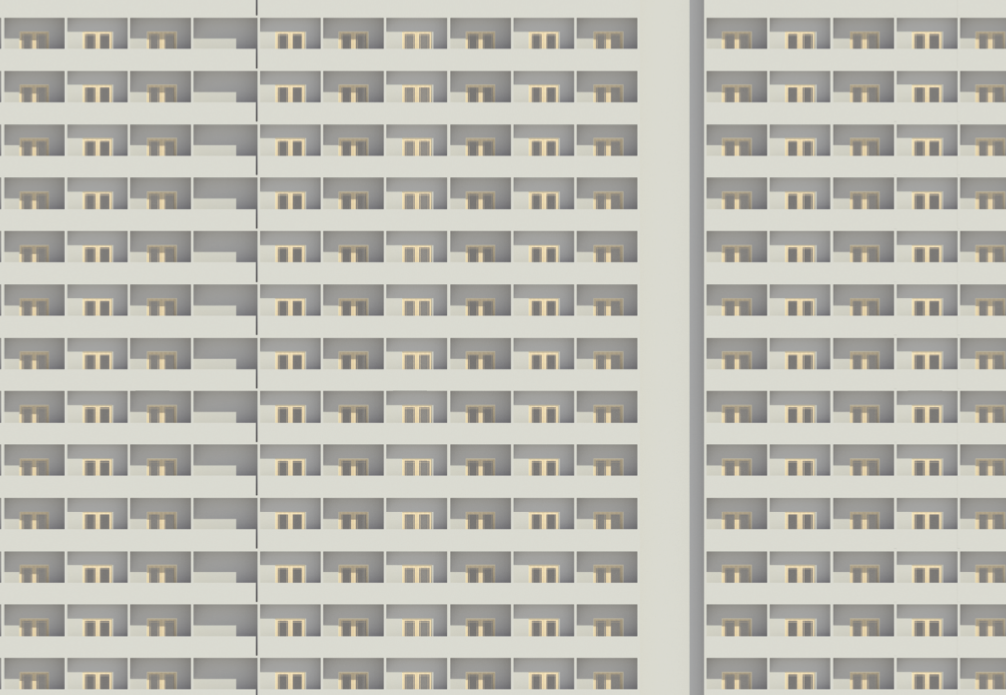
The ZeCRoCo project aims to enhance the environmental sustainability of a 28-storey social housing building by focusing on two main areas: reduction of Embodied Carbon and reduction of Operational Carbon.
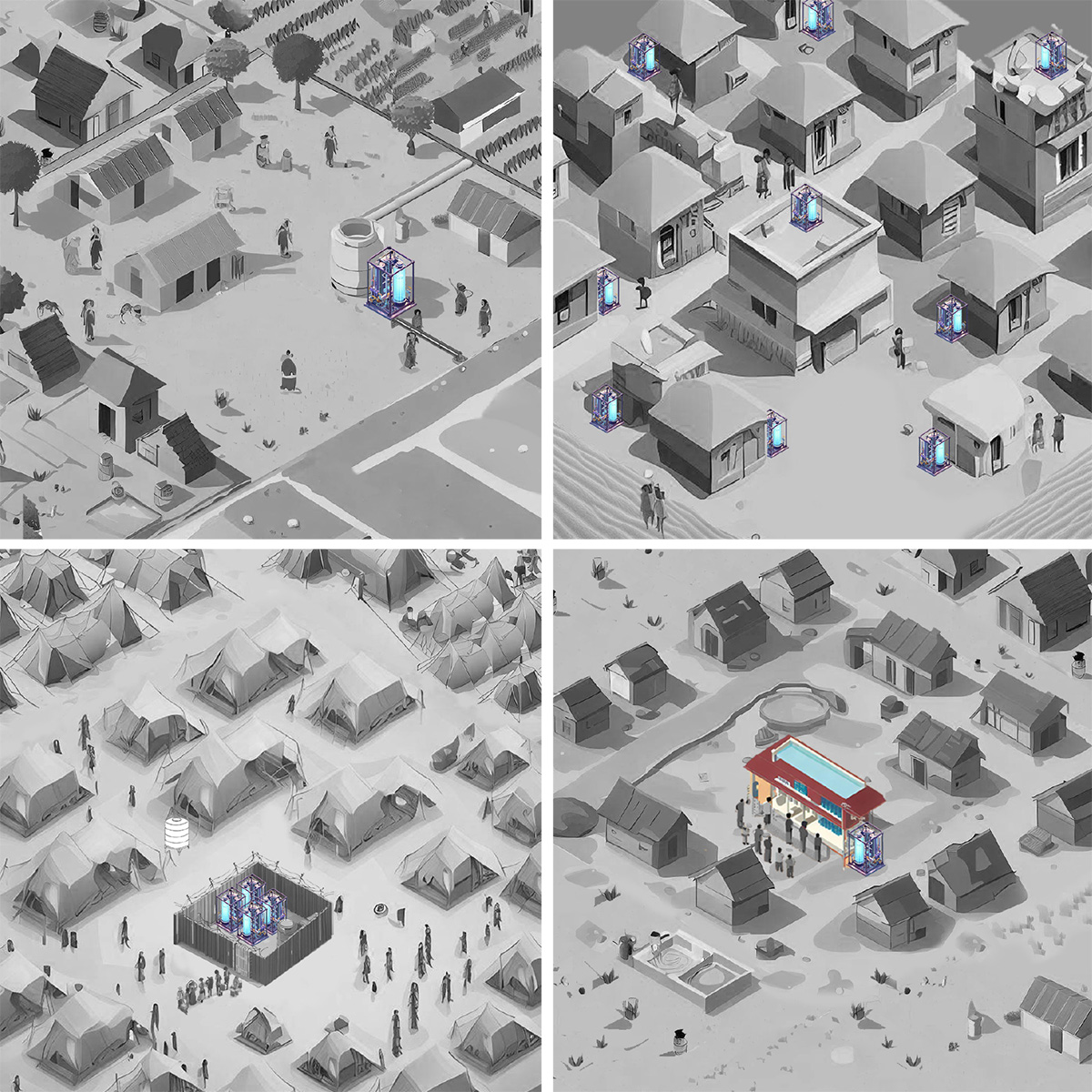
The AQUA project aims to create a set of guidelines for Aquaseek to enter the humanitarian water market.
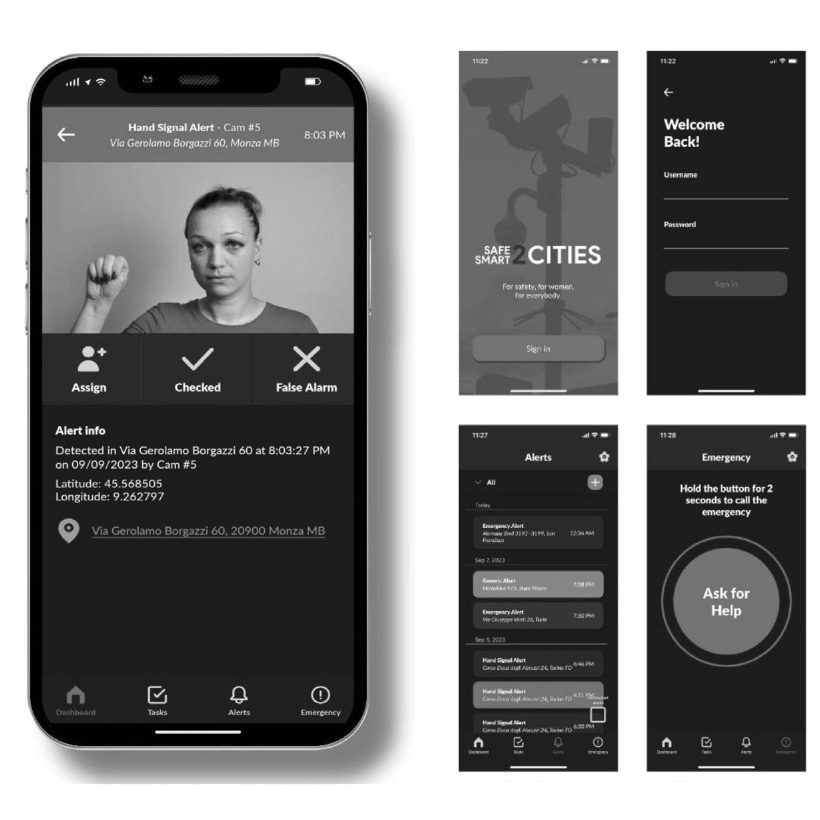
In the wake of increasing incidents of violence against women, the ‘Signal for Help’ (SFH) has surfaced as an invaluable silent beacon. Developed as a discrete hand gesture for women under duress to indicate their plight, its importance became even more pronounced during the pandemic when virtual communication surged. The S2CITIES project seeks to amplify the efficacy of this signal through technology.
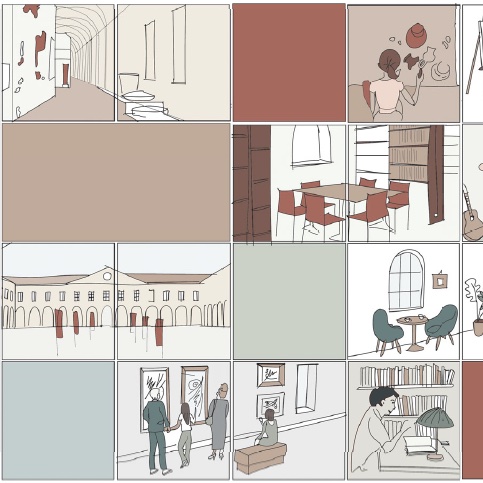
Groma study deals with the creation of a Cultural Pole in Ivrea devoted to the valorization of the city and
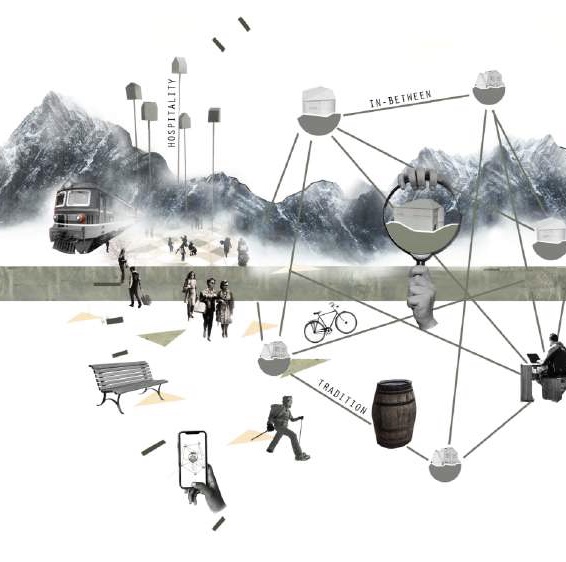
Host2026 is a research project that originates from the challenge of the 2026 Olympic and Paralympic Games (OPGs) in Valtellina.